

Fourth Cycle of Al Hussein Bin Abdullah II Award for Voluntary Work Launched, Applications Now Open


Minister of Youth and Deputy Chairman of the Board of Trustees of the Al Hussein Bin Abdullah II Award for Voluntary Work, Dr. Raed Sami Al-Adwan, announced on Monday the launch of the fourth cycle of the Al Hussein Bin Abdullah II Award for Voluntary Work and the opening of applications for the award.اضافة اعلان
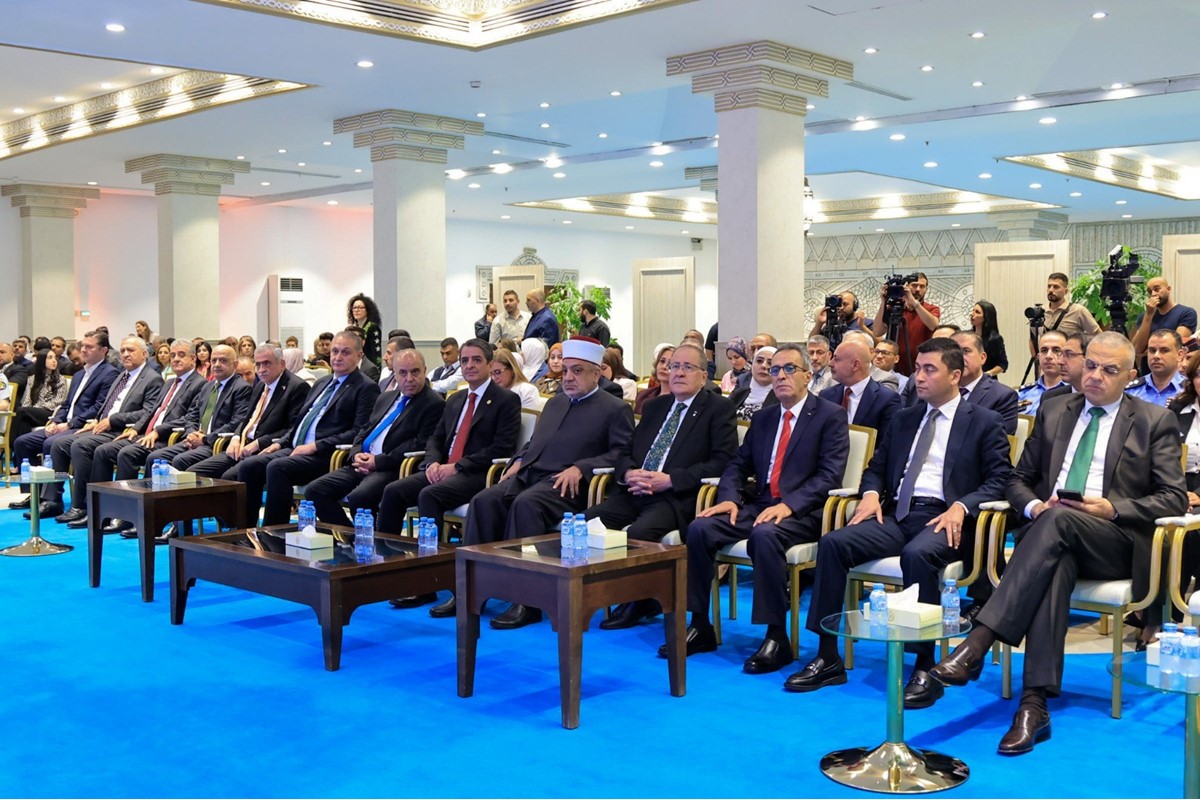
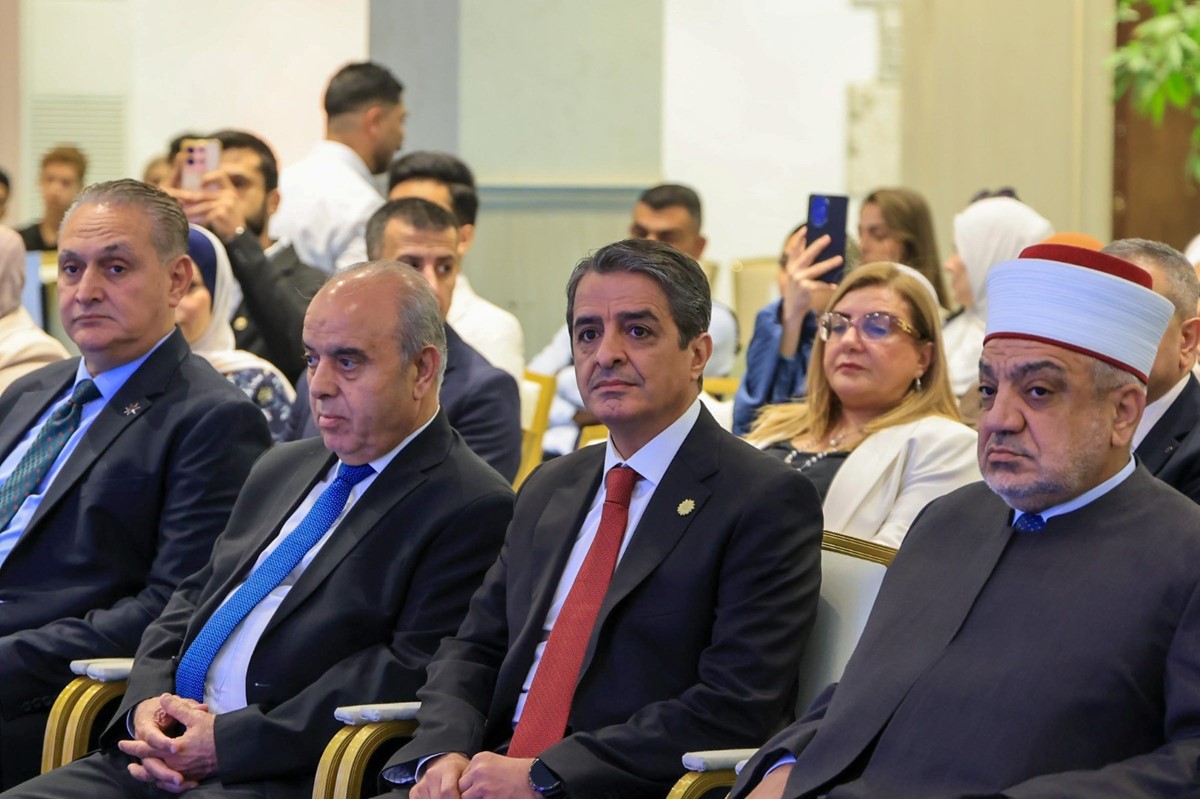
The announcement was made during a ceremony held at Al Hussein Youth City, attended by Minister of Education and Human Resources Development Dr. Azmi Mahafzah, Minister of Awqaf Dr. Mohammad Al-Khalayleh, Minister of Environment Ayman Suleiman, President of the University of Jordan Dr. Nathir Obeidat, Crown Prince Foundation Chief Executive Officer Tamam Manko, Secretary-General of the Ministry of Youth and member of the award’s Board of Trustees Dr. Mazen Abu Baqer, and UNICEF Representative in Jordan Mark Robben.
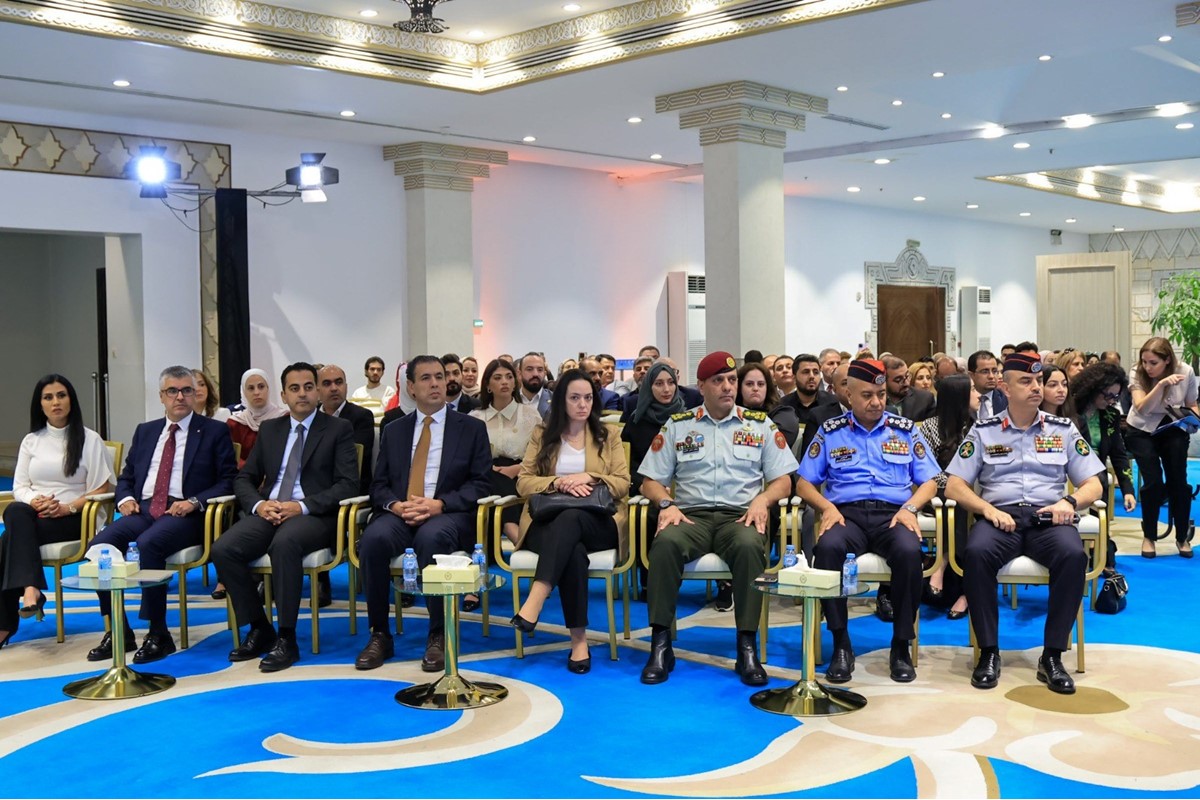
The ceremony was also attended by several members of the award’s Board of Trustees, management and judging committees, representatives of national and youth institutions, civil society organizations and international organizations, as well as winners of previous cycles.
In his remarks, Al-Adwan said the Al Hussein Bin Abdullah II Award for Voluntary Work, launched by Crown Prince Al Hussein in 2021 to mark International Volunteer Day, in partnership with the Crown Prince Foundation and UNICEF, is the highest national award recognizing excellence in voluntary work.
He said the award aims to encourage volunteer initiatives, direct energies toward volunteering, promote the values and culture of voluntary work, strengthen social responsibility among institutions, and honor outstanding volunteer efforts that have a positive impact.
Al-Adwan noted that the fourth cycle follows three previous cycles that attracted more than 47,000 applicants across the award’s various categories and fields.
He added that extensive preparations were undertaken, including amendments to the award’s regulations to institutionalize its work, strengthen governance, and develop its mechanisms in line with the experience gained from the previous three cycles.
The latest developments also seek to enhance the award’s tools and mechanisms in support of its national objectives, strengthen the independence of the evaluation process, and expand participation to include all individuals residing in the Kingdom.
Al-Adwan stressed that the award has never been merely about recognition, but rather about acknowledging impact, appreciating effort, and celebrating models that have made serving others a path toward building society, turned initiative into a form of responsibility, and transformed giving into a practice that contributes to community development.
He added that the award is open to every Jordanian man and woman, as well as all residents of the Kingdom, who contribute their time, effort and expertise to serving their communities. He emphasized that voluntary work reflects deeply rooted Jordanian values of solidarity, cooperation and helping others.
The minister noted that the award focuses on measuring impact, documenting volunteers’ stories and experiences, and highlighting models that have transformed a sense of belonging into action, initiative into impact, and giving into a sustainable value within society.
Al-Adwan concluded by stressing the importance of continuing to support voluntary work, recognizing those behind volunteer initiatives and efforts, and strengthening the culture of volunteering in Jordanian society.
The award’s vision and mission are centered on achieving excellence in voluntary work to serve Jordanian society, expanding the culture of volunteering, enabling individuals and institutions to apply excellence standards to their volunteer projects and initiatives, and motivating and recognizing outstanding volunteers while sharing their success stories.
The award’s philosophy is based on three main principles: recognition, motivation, and fostering a spirit of individual and institutional competition to encourage outstanding volunteer work and share successful volunteer experiences.
The award is guided by the principles of giving, leadership and innovation, equal opportunity and equality, social responsibility, transparency, sustainability, and motivation.
Applicants can compete across four categories: Best Outstanding Individual Volunteer Work, Best Outstanding Volunteer Team, Best Outstanding Volunteer Project for Profit-Making Institutions under the Social Responsibility category, and Best Outstanding Volunteer Project for Non-Profit Institutions.
The fields eligible for submission include social, health, educational and training services, sports, arts and culture, as well as environmental, tourism, entrepreneurship and innovation initiatives.
Registration for the award will remain open until the end of November 2026. This will be followed by a three-stage evaluation process covering initial screening, desk evaluation and field evaluation, culminating in the selection of the best volunteer initiatives that meet the award model’s criteria, including volunteer initiative planning, implementation, continuity of volunteer work, impact and results.
Applicants will compete for 12 awards recognizing the best volunteer initiatives, with the top three winners in each category receiving awards. All applicants will also receive certificates of participation in recognition of their efforts in the field of voluntary work.
Those wishing to apply can visit the award’s official website and review the guidelines for each category, eligibility requirements and required documents.
Training and introductory sessions for the award’s ambassadors and liaison officers from partner institutions and entities were held ahead of the launch of the fourth cycle.
The sessions covered the award’s vision, mission, objectives and categories, as well as participation requirements and the application process.
Following the opening of registration, further introductory and training sessions will be held across all governorates of the Kingdom, with the participation of numerous official and national institutions and civil society organizations.
The announcement was made during a ceremony held at Al Hussein Youth City, attended by Minister of Education and Human Resources Development Dr. Azmi Mahafzah, Minister of Awqaf Dr. Mohammad Al-Khalayleh, Minister of Environment Ayman Suleiman, President of the University of Jordan Dr. Nathir Obeidat, Crown Prince Foundation Chief Executive Officer Tamam Manko, Secretary-General of the Ministry of Youth and member of the award’s Board of Trustees Dr. Mazen Abu Baqer, and UNICEF Representative in Jordan Mark Robben.
The ceremony was also attended by several members of the award’s Board of Trustees, management and judging committees, representatives of national and youth institutions, civil society organizations and international organizations, as well as winners of previous cycles.
In his remarks, Al-Adwan said the Al Hussein Bin Abdullah II Award for Voluntary Work, launched by Crown Prince Al Hussein in 2021 to mark International Volunteer Day, in partnership with the Crown Prince Foundation and UNICEF, is the highest national award recognizing excellence in voluntary work.
He said the award aims to encourage volunteer initiatives, direct energies toward volunteering, promote the values and culture of voluntary work, strengthen social responsibility among institutions, and honor outstanding volunteer efforts that have a positive impact.
Al-Adwan noted that the fourth cycle follows three previous cycles that attracted more than 47,000 applicants across the award’s various categories and fields.
He added that extensive preparations were undertaken, including amendments to the award’s regulations to institutionalize its work, strengthen governance, and develop its mechanisms in line with the experience gained from the previous three cycles.
The latest developments also seek to enhance the award’s tools and mechanisms in support of its national objectives, strengthen the independence of the evaluation process, and expand participation to include all individuals residing in the Kingdom.
Al-Adwan stressed that the award has never been merely about recognition, but rather about acknowledging impact, appreciating effort, and celebrating models that have made serving others a path toward building society, turned initiative into a form of responsibility, and transformed giving into a practice that contributes to community development.
He added that the award is open to every Jordanian man and woman, as well as all residents of the Kingdom, who contribute their time, effort and expertise to serving their communities. He emphasized that voluntary work reflects deeply rooted Jordanian values of solidarity, cooperation and helping others.
The minister noted that the award focuses on measuring impact, documenting volunteers’ stories and experiences, and highlighting models that have transformed a sense of belonging into action, initiative into impact, and giving into a sustainable value within society.
Al-Adwan concluded by stressing the importance of continuing to support voluntary work, recognizing those behind volunteer initiatives and efforts, and strengthening the culture of volunteering in Jordanian society.
The award’s vision and mission are centered on achieving excellence in voluntary work to serve Jordanian society, expanding the culture of volunteering, enabling individuals and institutions to apply excellence standards to their volunteer projects and initiatives, and motivating and recognizing outstanding volunteers while sharing their success stories.
The award’s philosophy is based on three main principles: recognition, motivation, and fostering a spirit of individual and institutional competition to encourage outstanding volunteer work and share successful volunteer experiences.
The award is guided by the principles of giving, leadership and innovation, equal opportunity and equality, social responsibility, transparency, sustainability, and motivation.
Applicants can compete across four categories: Best Outstanding Individual Volunteer Work, Best Outstanding Volunteer Team, Best Outstanding Volunteer Project for Profit-Making Institutions under the Social Responsibility category, and Best Outstanding Volunteer Project for Non-Profit Institutions.
The fields eligible for submission include social, health, educational and training services, sports, arts and culture, as well as environmental, tourism, entrepreneurship and innovation initiatives.
Registration for the award will remain open until the end of November 2026. This will be followed by a three-stage evaluation process covering initial screening, desk evaluation and field evaluation, culminating in the selection of the best volunteer initiatives that meet the award model’s criteria, including volunteer initiative planning, implementation, continuity of volunteer work, impact and results.
Applicants will compete for 12 awards recognizing the best volunteer initiatives, with the top three winners in each category receiving awards. All applicants will also receive certificates of participation in recognition of their efforts in the field of voluntary work.
Those wishing to apply can visit the award’s official website and review the guidelines for each category, eligibility requirements and required documents.
Training and introductory sessions for the award’s ambassadors and liaison officers from partner institutions and entities were held ahead of the launch of the fourth cycle.
The sessions covered the award’s vision, mission, objectives and categories, as well as participation requirements and the application process.
Following the opening of registration, further introductory and training sessions will be held across all governorates of the Kingdom, with the participation of numerous official and national institutions and civil society organizations.
NEWS RELATED TO