

Ostrich Feathers and the Evolution of Feathers from Ancient Life to Modern Birds


By Dr. Abbas Haddadin .Feathers are among the most remarkable evolutionary structures in the history of life on Earth. Their origin was not directly related to flight; rather, feathers appeared first for other biological functions before becoming essential for flying birds.اضافة اعلان
Fossil evidence shows that many theropod dinosaurs possessed primitive feathers millions of years before the appearance of modern birds. These early feathers likely played roles in insulation, body temperature regulation, display, and protection. Over millions of years, some feather structures became more complex and eventually contributed to the evolution of flight.
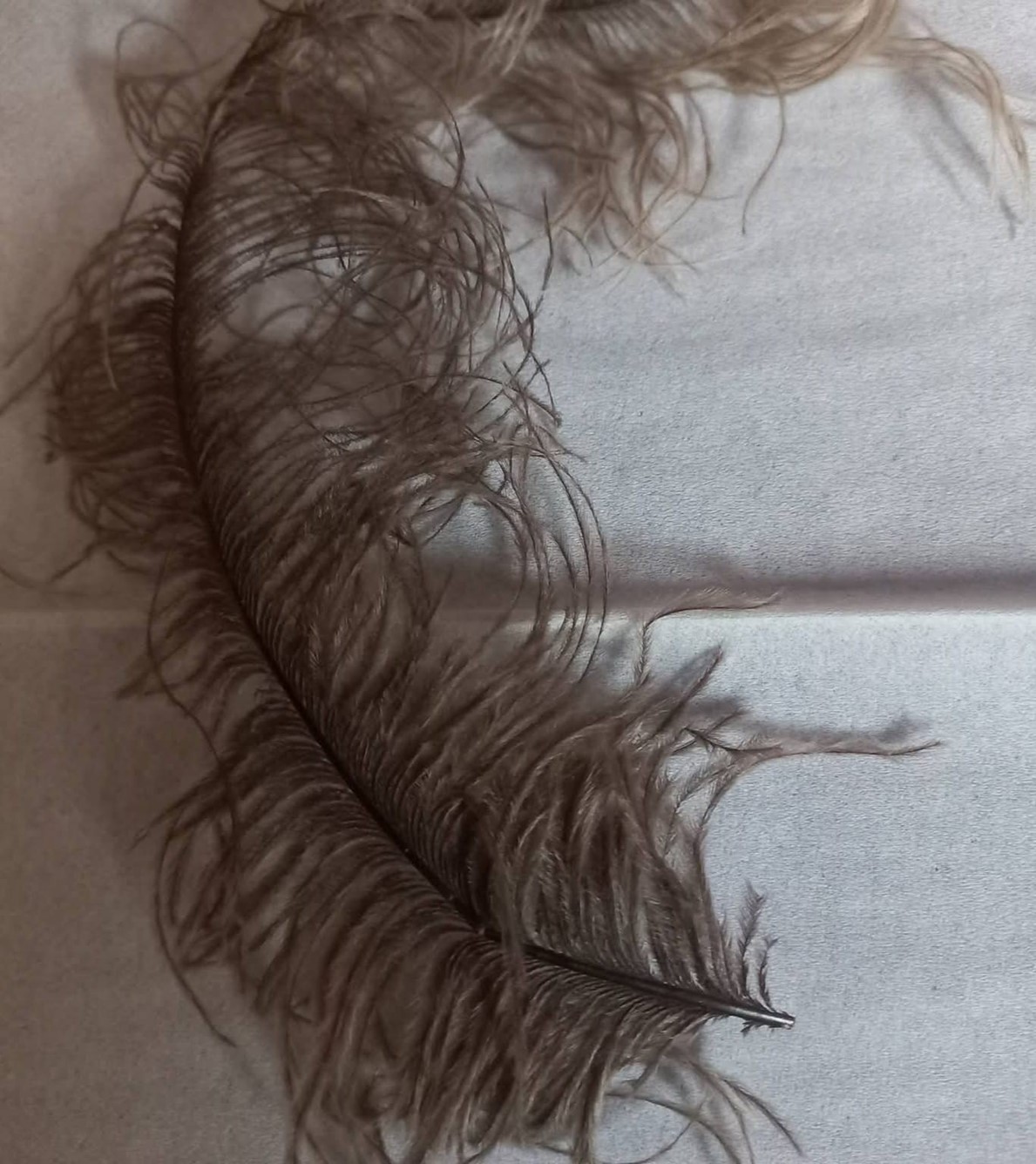
The ostrich provides an important example for understanding feather evolution. Although the ostrich is a modern bird that cannot fly, its feathers remain highly developed. They are mainly used for temperature regulation and also help with balance and stability during fast running. The ostrich demonstrates that feathers can have important functions beyond flight.
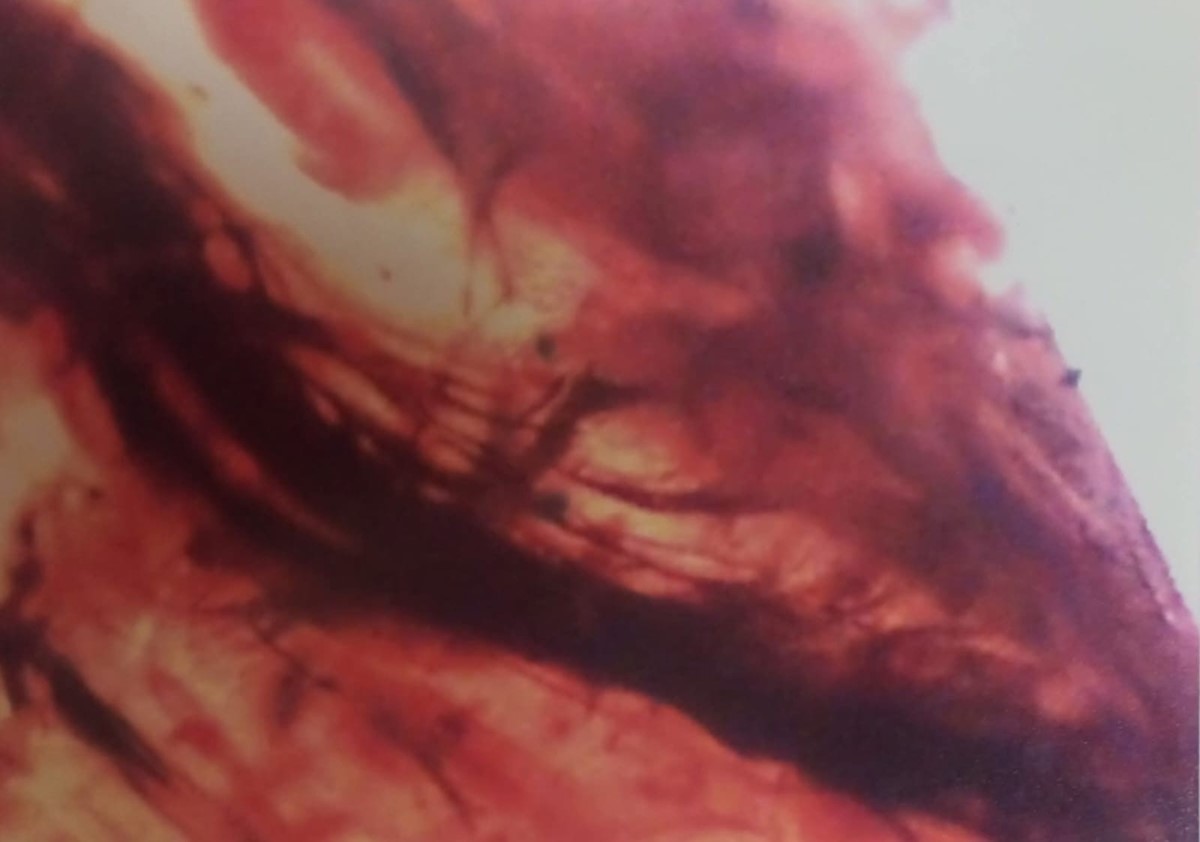
The comparison between ancient feathered dinosaurs, feathers preserved in fossils such as Jordanian amber from approximately 140 million years ago, and modern ostrich feathers provides valuable insight into the long evolutionary journey of feathers.
Feathers represent a biological innovation that changes through time according to environmental needs. From keeping ancient animals warm to supporting the flight of birds and helping modern flightless birds survive, feathers tell a story of adaptation and evolution throughout Earth's history.
The first picture is a
New Ostrich Feather, and the second one is a feather of a dinosaur in Jordan amber, 140 million years old.
Fossil evidence shows that many theropod dinosaurs possessed primitive feathers millions of years before the appearance of modern birds. These early feathers likely played roles in insulation, body temperature regulation, display, and protection. Over millions of years, some feather structures became more complex and eventually contributed to the evolution of flight.
The ostrich provides an important example for understanding feather evolution. Although the ostrich is a modern bird that cannot fly, its feathers remain highly developed. They are mainly used for temperature regulation and also help with balance and stability during fast running. The ostrich demonstrates that feathers can have important functions beyond flight.
The comparison between ancient feathered dinosaurs, feathers preserved in fossils such as Jordanian amber from approximately 140 million years ago, and modern ostrich feathers provides valuable insight into the long evolutionary journey of feathers.
Feathers represent a biological innovation that changes through time according to environmental needs. From keeping ancient animals warm to supporting the flight of birds and helping modern flightless birds survive, feathers tell a story of adaptation and evolution throughout Earth's history.
The first picture is a
New Ostrich Feather, and the second one is a feather of a dinosaur in Jordan amber, 140 million years old.
NEWS RELATED TO