

Ayla and the Royal Society for the Conservation of Nature / Aqaba Bird Observatory Renew Their Strategic Partnership to Enhance Biodiversity Conservation and Ecotourism


As part of its ongoing commitment to environmental sustainability and the advancement of ecotourism in Jordan, Ayla Oasis Development Company has announced the renewal of its cooperation agreement with the Royal Society for the Conservation of Nature (RSCN). This agreement extends a strategic partnership that has spanned more than a decade and has contributed significantly to establishing Aqaba as an important environmental stopover along global bird migration routes.اضافة اعلان
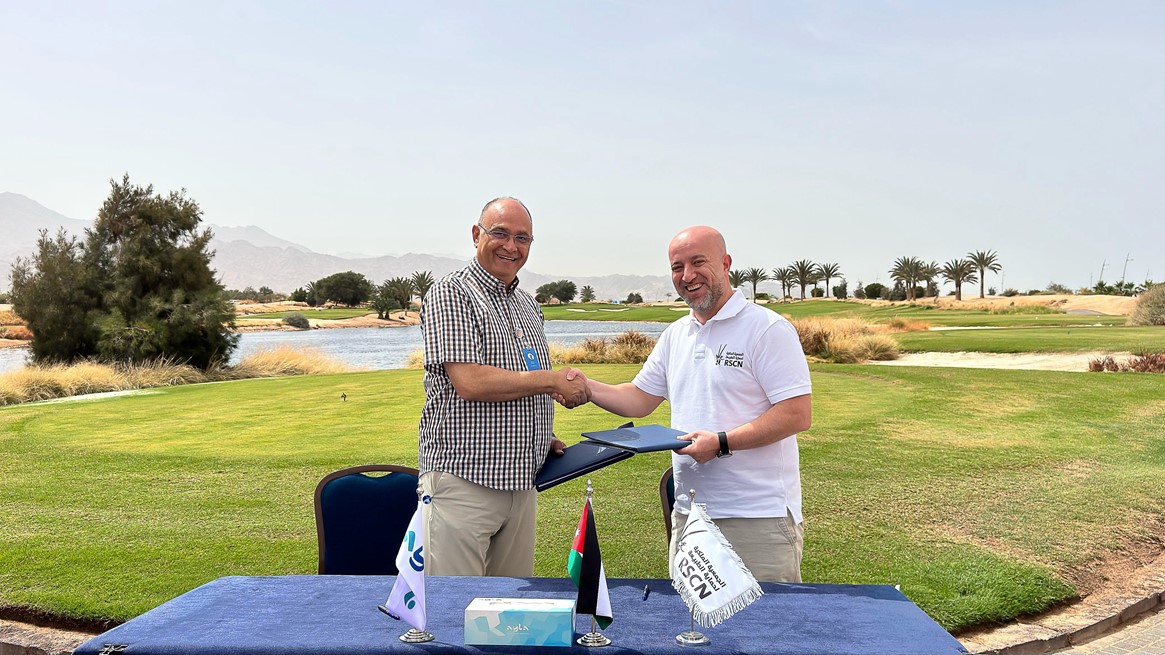
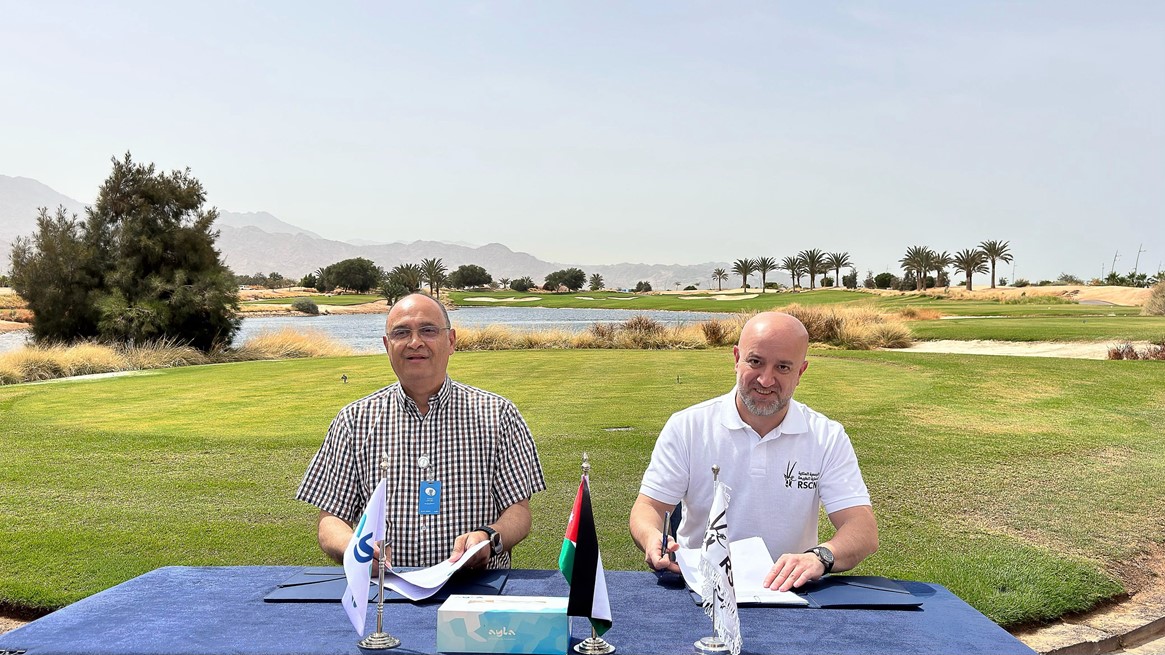
The renewed agreement reflects the shared vision of both parties to protect biodiversity, promote sustainable environmental practices, support scientific monitoring and research programs for migratory birds, and enhance ecotourism experiences that combine the conservation of natural resources with high-quality visitor experiences.
Under the agreement, both parties will continue implementing the bird monitoring program during the spring and autumn migration seasons of 2026. The program includes monitoring the migratory and resident bird species within Ayla, as well as developing a specialized environmental database that will contribute to documenting biodiversity and advancing scientific knowledge related to migratory birds. The partnership also includes support for the operation of the Aqaba Bird Observatory and the further development of its environmental and educational programs.
Eng. Sahl Dudin, Chief Executive Officer of Ayla Oasis Development Company, emphasized that the continuation of this partnership reflects Ayla’s belief in the importance of investing in sustainability as a fundamental component of its long-term development strategy. He noted that environmental stewardship and the preservation of ecological balance remain central pillars of Ayla’s vision.
Dudin added: “We are proud to continue this collaboration, which has produced tangible results over the years in bird monitoring and habitat conservation. We believe that integrating sustainability with unique tourism experiences creates new opportunities for ecotourism in Aqaba and further strengthens Ayla’s position as a model for balanced and sustainable development.”
For his part, Mr. Fadi Al Nasser, Director General of the Royal Society for the Conservation of Nature, stated that the partnership with Ayla represents a successful model of cooperation between the private sector and national institutions in biodiversity conservation. He noted that the achievements realized over the past years have supported nature-based development efforts and enhanced awareness of the importance of wildlife conservation.
Al Nasser added: “Aqaba provides an outstanding example of successfully integrating ecotourism into private-sector developments, as demonstrated by Ayla. It also showcases leadership in biodiversity conservation through the creation and management of artificial habitats, as exemplified by both Ayla and the Aqaba Bird Observatory.”
It is worth noting that the collaboration between Ayla Oasis Development Company and the Royal Society for the Conservation of Nature, which began in 2014, has played a key role in strengthening and developing the Aqaba Bird Observatory as a specialized environmental and scientific platform. The partnership has also contributed to the recording of numerous migratory bird species, including species rarely observed in Jordan, highlighting the growing ecological importance of both Ayla and the Aqaba Bird Observatory as critical stopover sites for migratory birds along one of the world's most significant migration flyways connecting Europe and Asia with Africa.
The renewed agreement reflects the shared vision of both parties to protect biodiversity, promote sustainable environmental practices, support scientific monitoring and research programs for migratory birds, and enhance ecotourism experiences that combine the conservation of natural resources with high-quality visitor experiences.
Under the agreement, both parties will continue implementing the bird monitoring program during the spring and autumn migration seasons of 2026. The program includes monitoring the migratory and resident bird species within Ayla, as well as developing a specialized environmental database that will contribute to documenting biodiversity and advancing scientific knowledge related to migratory birds. The partnership also includes support for the operation of the Aqaba Bird Observatory and the further development of its environmental and educational programs.
Eng. Sahl Dudin, Chief Executive Officer of Ayla Oasis Development Company, emphasized that the continuation of this partnership reflects Ayla’s belief in the importance of investing in sustainability as a fundamental component of its long-term development strategy. He noted that environmental stewardship and the preservation of ecological balance remain central pillars of Ayla’s vision.
Dudin added: “We are proud to continue this collaboration, which has produced tangible results over the years in bird monitoring and habitat conservation. We believe that integrating sustainability with unique tourism experiences creates new opportunities for ecotourism in Aqaba and further strengthens Ayla’s position as a model for balanced and sustainable development.”
For his part, Mr. Fadi Al Nasser, Director General of the Royal Society for the Conservation of Nature, stated that the partnership with Ayla represents a successful model of cooperation between the private sector and national institutions in biodiversity conservation. He noted that the achievements realized over the past years have supported nature-based development efforts and enhanced awareness of the importance of wildlife conservation.
Al Nasser added: “Aqaba provides an outstanding example of successfully integrating ecotourism into private-sector developments, as demonstrated by Ayla. It also showcases leadership in biodiversity conservation through the creation and management of artificial habitats, as exemplified by both Ayla and the Aqaba Bird Observatory.”
It is worth noting that the collaboration between Ayla Oasis Development Company and the Royal Society for the Conservation of Nature, which began in 2014, has played a key role in strengthening and developing the Aqaba Bird Observatory as a specialized environmental and scientific platform. The partnership has also contributed to the recording of numerous migratory bird species, including species rarely observed in Jordan, highlighting the growing ecological importance of both Ayla and the Aqaba Bird Observatory as critical stopover sites for migratory birds along one of the world's most significant migration flyways connecting Europe and Asia with Africa.
NEWS RELATED TO