

Comparative Study Between a Spider Preserved in Jordanian Amber (140 Million Years Old) and a Spider from Baltic Amber (40 Million Years Old)
Dr . Abbas Haddadin



The discovery of spiders preserved in amber offers rare opportunities to study the evolutionary history of arachnids and compare species separated by vast geological time periods.اضافة اعلان
A remarkable specimen preserved in Jordanian amber, approximately 140 million years old from the Early Cretaceous period, provides an important comparison with a spider preserved in Baltic amber dating to approximately 40 million years ago.
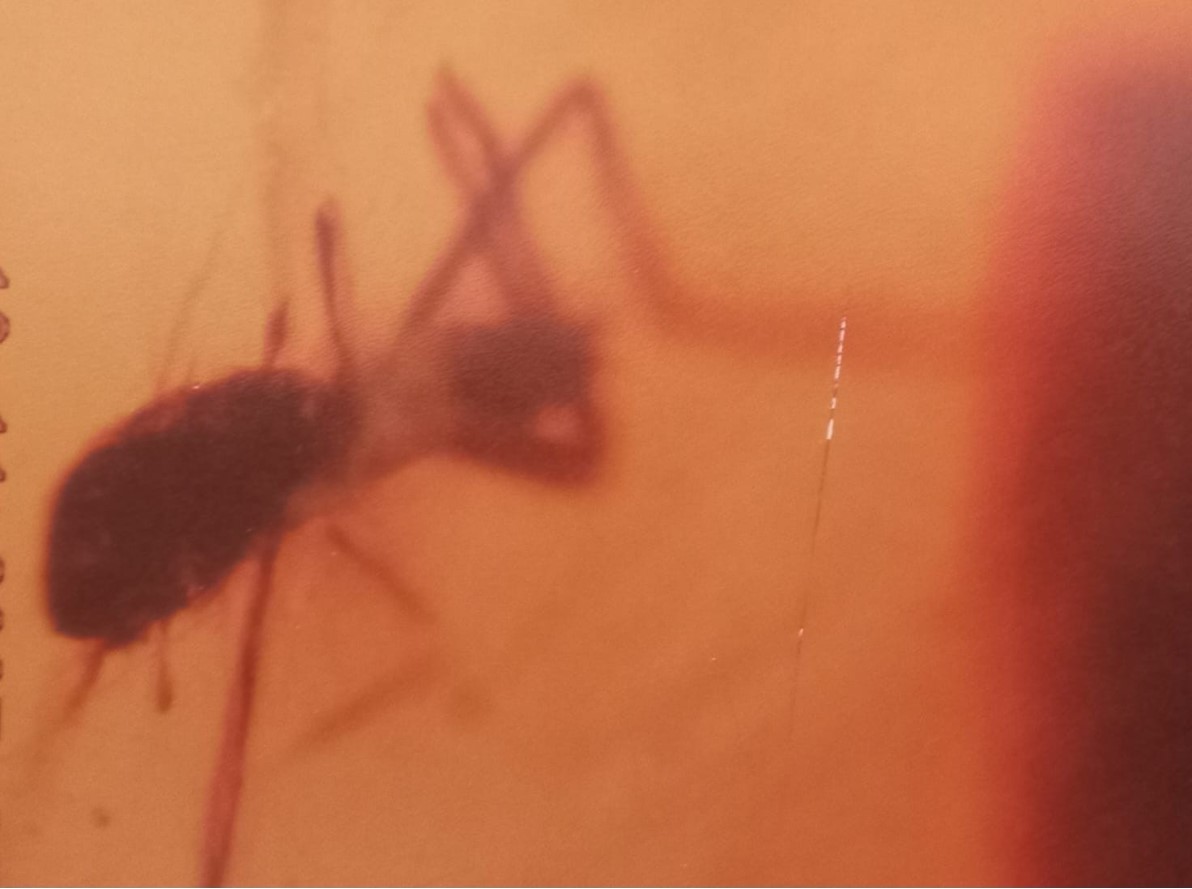
The Jordanian amber spider represents one of the oldest known arachnid records from the Middle East. Examination of the specimen reveals several distinctive morphological characteristics, particularly the relatively elongated body proportions and the apparent structure of the cephalothorax and appendages. Of special interest is the relatively long neck-like region visible in the Jordanian specimen compared with later fossil spiders.
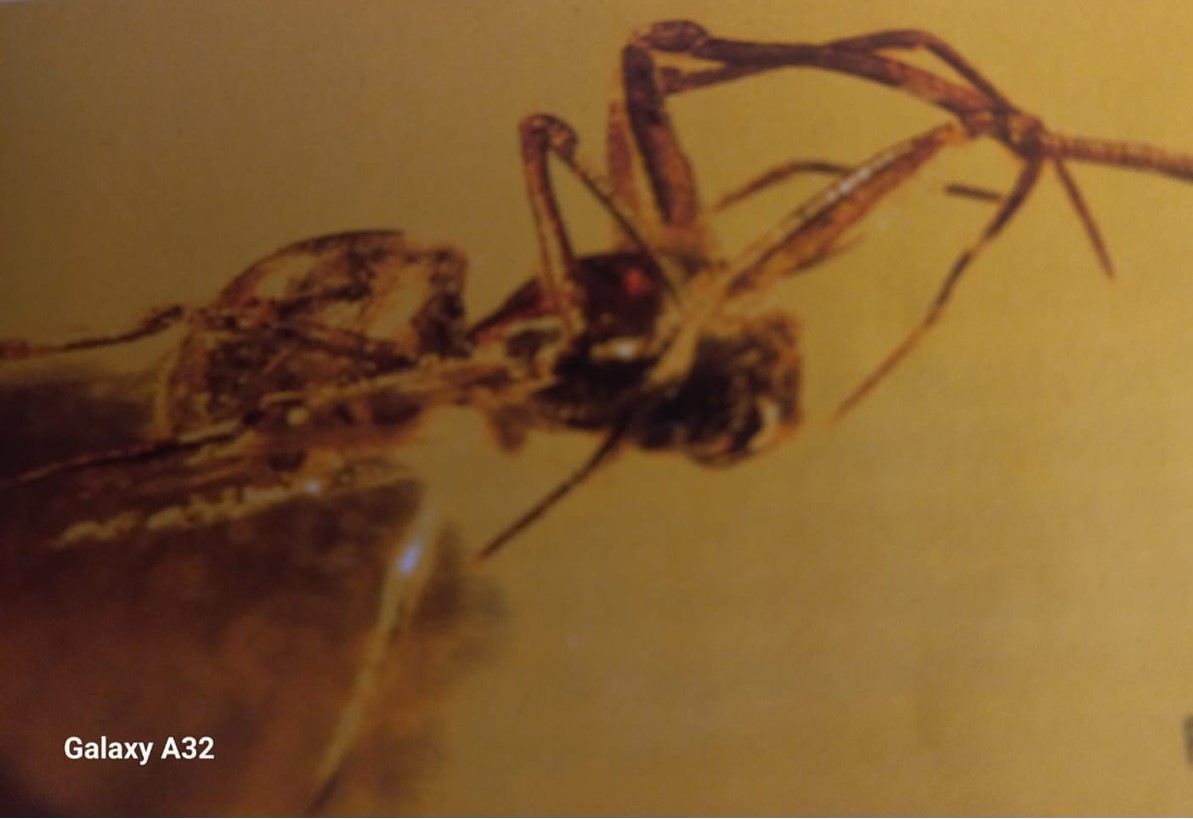
In contrast, the spider preserved in Baltic amber, studied by arachnologists including Jörg Wunderlich, represents a much younger stage in spider evolution. Baltic amber specimens frequently preserve exceptional details due to their younger age and different preservation environments.
The comparison between these two amber spiders separated by nearly 100 million years may suggest changes in morphology through geological time. Differences in body proportions, appendage structure, and anatomical details could reflect evolutionary adaptations, environmental pressures, or diversification within spider lineages.
Jordanian amber continues to reveal exceptional paleontological discoveries. Its age makes it particularly important because it preserves organisms from a period much older than many classic amber deposits worldwide. Such fossils contribute to reconstructing ancient ecosystems and provide clues about the biodiversity that existed during the Early Cretaceous forests.
The comparison between Jordanian and Baltic amber demonstrates that amber is not merely fossilized tree resin; it is a natural archive preserving snapshots of ancient life across different periods of Earth's history.
The first picture is a spider preserved in Jordanian Amber (140 Million Years Old) and the second one is a spider from Baltic amber (40 Million Years Old).
A remarkable specimen preserved in Jordanian amber, approximately 140 million years old from the Early Cretaceous period, provides an important comparison with a spider preserved in Baltic amber dating to approximately 40 million years ago.
The Jordanian amber spider represents one of the oldest known arachnid records from the Middle East. Examination of the specimen reveals several distinctive morphological characteristics, particularly the relatively elongated body proportions and the apparent structure of the cephalothorax and appendages. Of special interest is the relatively long neck-like region visible in the Jordanian specimen compared with later fossil spiders.
In contrast, the spider preserved in Baltic amber, studied by arachnologists including Jörg Wunderlich, represents a much younger stage in spider evolution. Baltic amber specimens frequently preserve exceptional details due to their younger age and different preservation environments.
The comparison between these two amber spiders separated by nearly 100 million years may suggest changes in morphology through geological time. Differences in body proportions, appendage structure, and anatomical details could reflect evolutionary adaptations, environmental pressures, or diversification within spider lineages.
Jordanian amber continues to reveal exceptional paleontological discoveries. Its age makes it particularly important because it preserves organisms from a period much older than many classic amber deposits worldwide. Such fossils contribute to reconstructing ancient ecosystems and provide clues about the biodiversity that existed during the Early Cretaceous forests.
The comparison between Jordanian and Baltic amber demonstrates that amber is not merely fossilized tree resin; it is a natural archive preserving snapshots of ancient life across different periods of Earth's history.
The first picture is a spider preserved in Jordanian Amber (140 Million Years Old) and the second one is a spider from Baltic amber (40 Million Years Old).
NEWS RELATED TO