

Hassan Directs to Accelerate Health Projects, Re-operate Amman Field Hospital


Prime Minister Jafar Hassan visited the Ministry of Health on Monday, praising the efforts of its physicians, technical, and administrative staff, while emphasizing the need to continuously improve the quality of healthcare services provided to citizens.اضافة اعلان
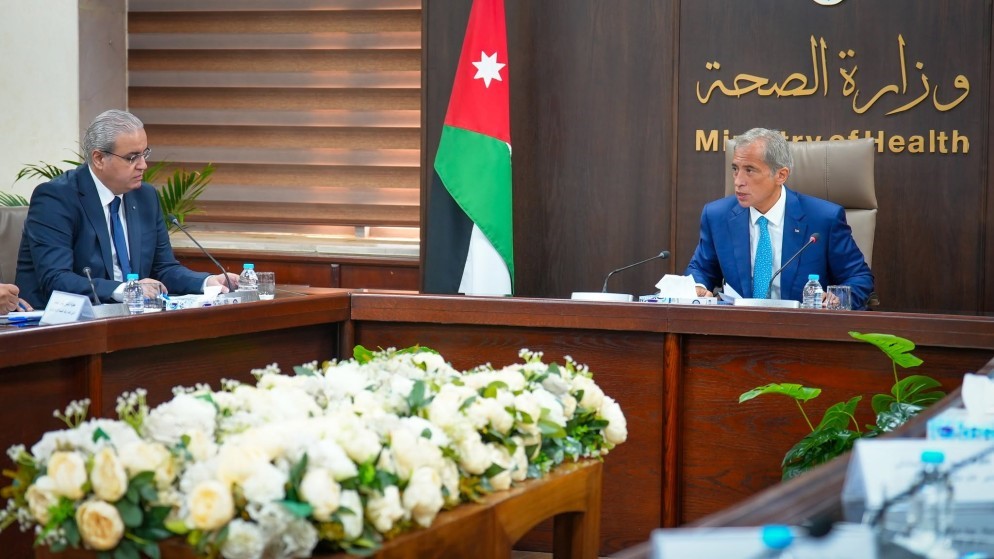
During a meeting held at the ministry in the presence of the Minister of Health and senior officials, the Prime Minister stressed the importance of accelerating the completion of projects committed to by the government across various governorates of the Kingdom within the designated timeframes. He urged that vital projects serving citizens should not be delayed due to simple procedural or technical reasons.
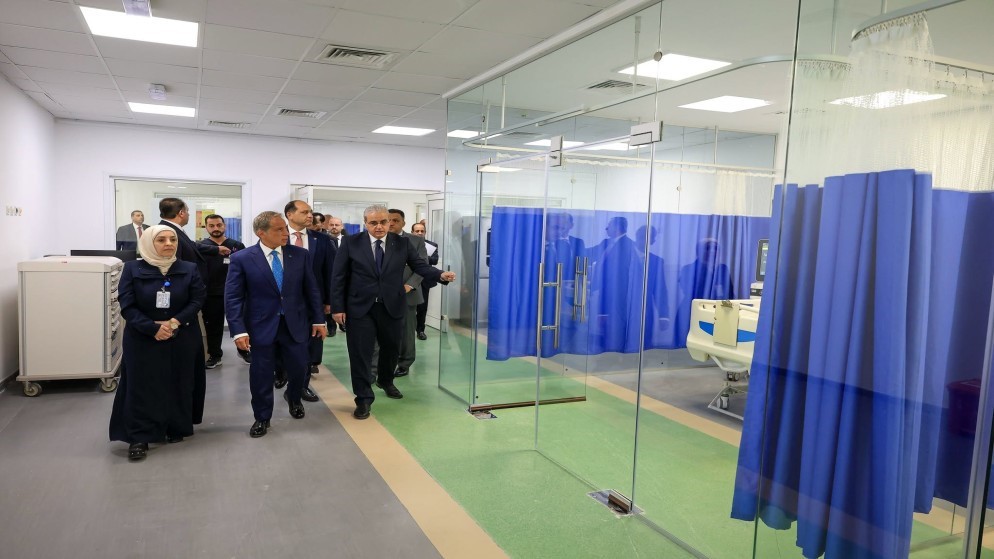
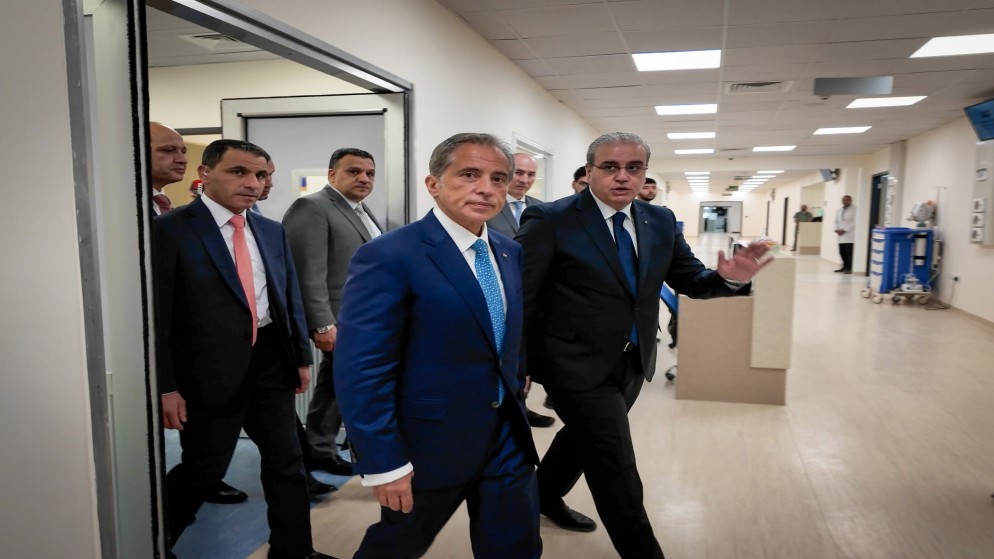
The Prime Minister inspected the Amman Field Hospital, adjacent to Prince Hamzah Hospital, highlighting the significance of the steps taken by the Ministry of Health to re-operate the facility after a hiatus of more than four years. This move aims to accommodate the growing number of patients and visitors to Prince Hamzah Hospital, particularly in the emergency, intensive care, and kidney dialysis departments.
He noted that the re-operation of the Amman Field Hospital constitutes a qualitative addition to the Ministry of Health’s medical system. It will support Prince Hamzah Hospital by increasing bed capacity and improving response times for emergency cases, pointing out that the hospital has already begun receiving dialysis patients and will become fully operational in the coming days.
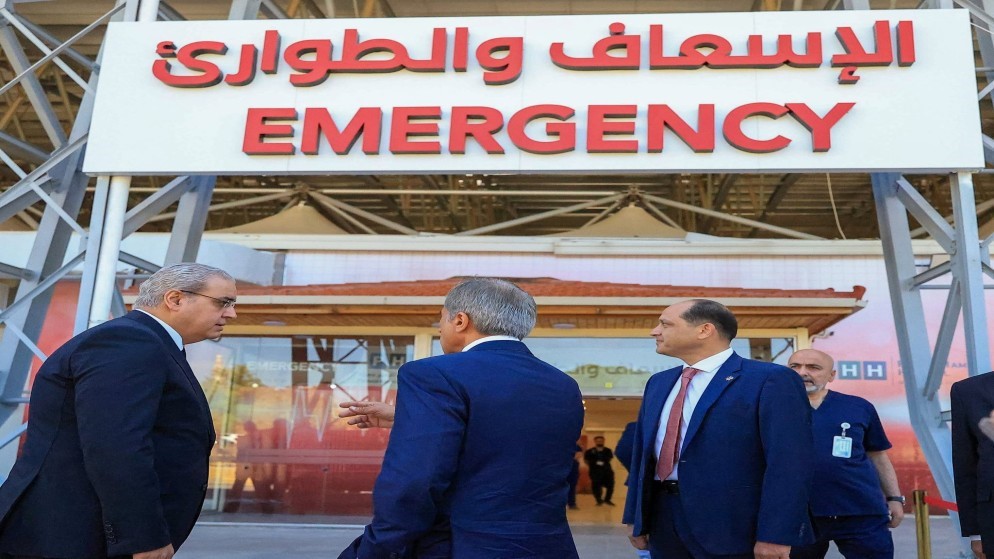
The Amman Field Hospital features 70 beds in the emergency department, 44 intensive care beds, and 40 kidney dialysis units, which will contribute to reducing waiting times and elevating the efficiency of medical services provided to citizens.
The Prime Minister directed that field hospitals established during the COVID-19 pandemic be fully utilized by leveraging their capabilities—whether in terms of equipment, operations, or infrastructure—to support the public health sector.
For his part, Minister of Health Ibrahim Al-Bdour stated that the ministry has implemented a package of health projects, including upgrading health infrastructure, as well as constructing and expanding several hospitals and health centers across various regions of the Kingdom, thereby enhancing the public health sector's capacity to meet citizens' needs.
The Minister of Health reviewed the ministry's efforts and future plans, which focus on elevating the quality of health services, accelerating digital transformation, and boosting the readiness of the public healthcare system to keep pace with current and future health challenges and demands.
He added that the adoption of a unified national protocol for cancer treatment, a protocol for treating acute myocardial infarction via catheterization, and the reorganization of outpatient clinic appointments in major hospitals represent significant steps toward standardizing therapeutic procedures and improving patient care efficiency.
He also pointed out that the ministry's plan to extend working hours and activate evening shifts in several comprehensive health centers contributes to easing pressure on emergency departments and improving citizens' access to healthcare services.
Furthermore, he explained that the ministry added 577 new beds over the current and past years, marking an increase of approximately 10% in the total number of beds across the Kingdom's hospitals.
He noted the construction of 14 new health centers, the rehabilitation of 49 others, and the automation (computerization) of 153 new facilities, representing over 30% of the total automated facilities.
Additionally, the minister stated that the ministry has established 13 new medical warehouses, accounting for nearly 40% of the total number of warehouses, and has automated 77 services out of a total of 147 services planned for automation over the next two years.
During a meeting held at the ministry in the presence of the Minister of Health and senior officials, the Prime Minister stressed the importance of accelerating the completion of projects committed to by the government across various governorates of the Kingdom within the designated timeframes. He urged that vital projects serving citizens should not be delayed due to simple procedural or technical reasons.
The Prime Minister inspected the Amman Field Hospital, adjacent to Prince Hamzah Hospital, highlighting the significance of the steps taken by the Ministry of Health to re-operate the facility after a hiatus of more than four years. This move aims to accommodate the growing number of patients and visitors to Prince Hamzah Hospital, particularly in the emergency, intensive care, and kidney dialysis departments.
He noted that the re-operation of the Amman Field Hospital constitutes a qualitative addition to the Ministry of Health’s medical system. It will support Prince Hamzah Hospital by increasing bed capacity and improving response times for emergency cases, pointing out that the hospital has already begun receiving dialysis patients and will become fully operational in the coming days.
The Amman Field Hospital features 70 beds in the emergency department, 44 intensive care beds, and 40 kidney dialysis units, which will contribute to reducing waiting times and elevating the efficiency of medical services provided to citizens.
The Prime Minister directed that field hospitals established during the COVID-19 pandemic be fully utilized by leveraging their capabilities—whether in terms of equipment, operations, or infrastructure—to support the public health sector.
For his part, Minister of Health Ibrahim Al-Bdour stated that the ministry has implemented a package of health projects, including upgrading health infrastructure, as well as constructing and expanding several hospitals and health centers across various regions of the Kingdom, thereby enhancing the public health sector's capacity to meet citizens' needs.
The Minister of Health reviewed the ministry's efforts and future plans, which focus on elevating the quality of health services, accelerating digital transformation, and boosting the readiness of the public healthcare system to keep pace with current and future health challenges and demands.
He added that the adoption of a unified national protocol for cancer treatment, a protocol for treating acute myocardial infarction via catheterization, and the reorganization of outpatient clinic appointments in major hospitals represent significant steps toward standardizing therapeutic procedures and improving patient care efficiency.
He also pointed out that the ministry's plan to extend working hours and activate evening shifts in several comprehensive health centers contributes to easing pressure on emergency departments and improving citizens' access to healthcare services.
Furthermore, he explained that the ministry added 577 new beds over the current and past years, marking an increase of approximately 10% in the total number of beds across the Kingdom's hospitals.
He noted the construction of 14 new health centers, the rehabilitation of 49 others, and the automation (computerization) of 153 new facilities, representing over 30% of the total automated facilities.
Additionally, the minister stated that the ministry has established 13 new medical warehouses, accounting for nearly 40% of the total number of warehouses, and has automated 77 services out of a total of 147 services planned for automation over the next two years.
NEWS RELATED TO