

Russian Artist Describes Three Years Under FSB Pressure


It began with blackmail and death threats intended to force her cooperation, followed by a series of increasingly serious assignments: spying on fellow activists, obtaining personal information about protest-minded artists, and eventually assisting in an alleged plot to kidnap and kill an opponent of the Kremlin.اضافة اعلان
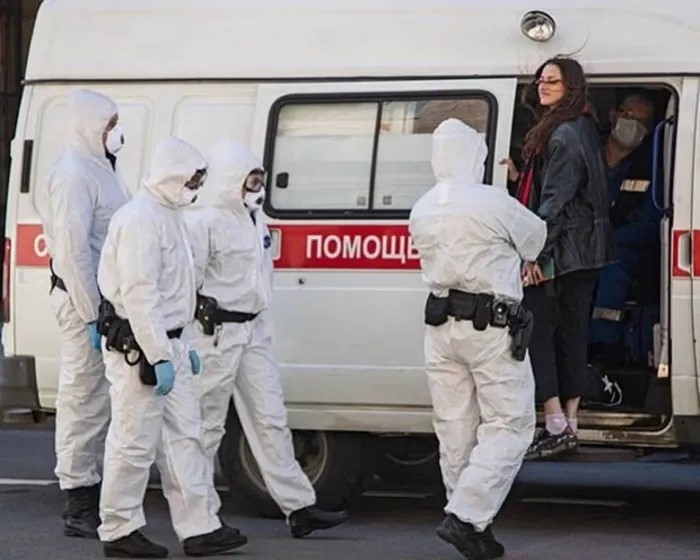
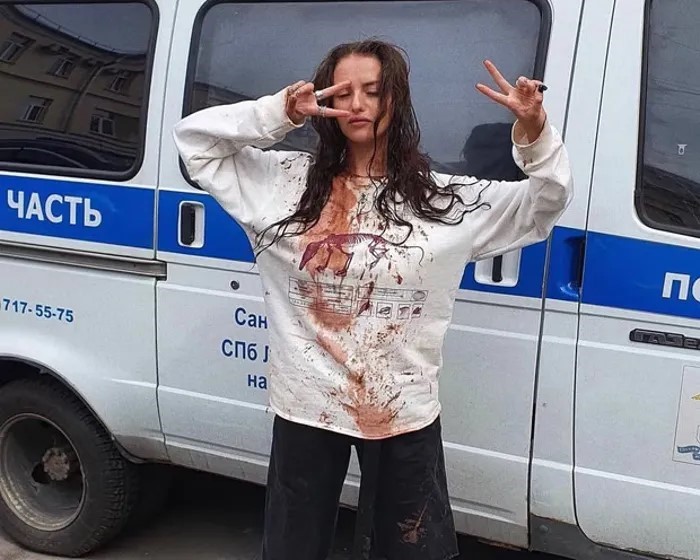
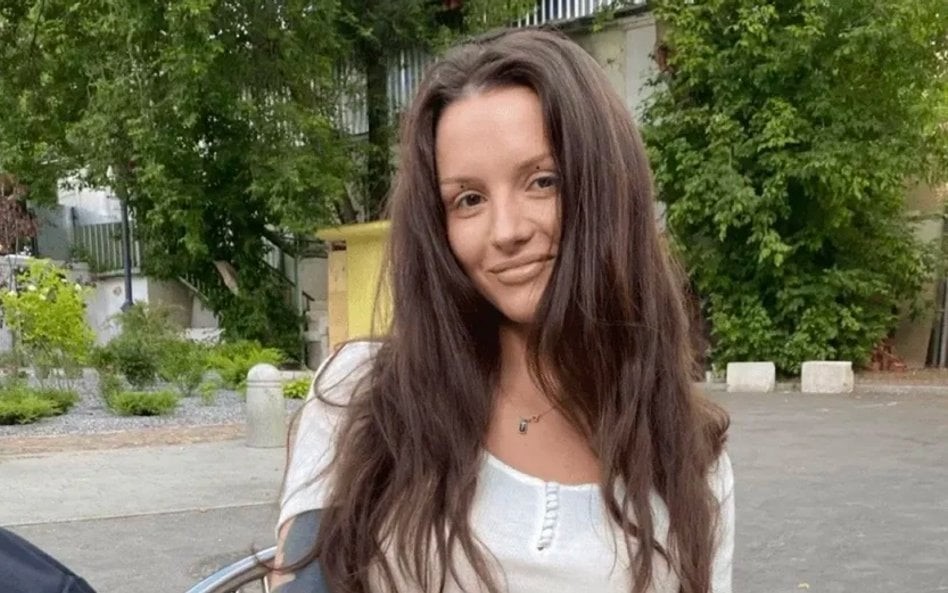
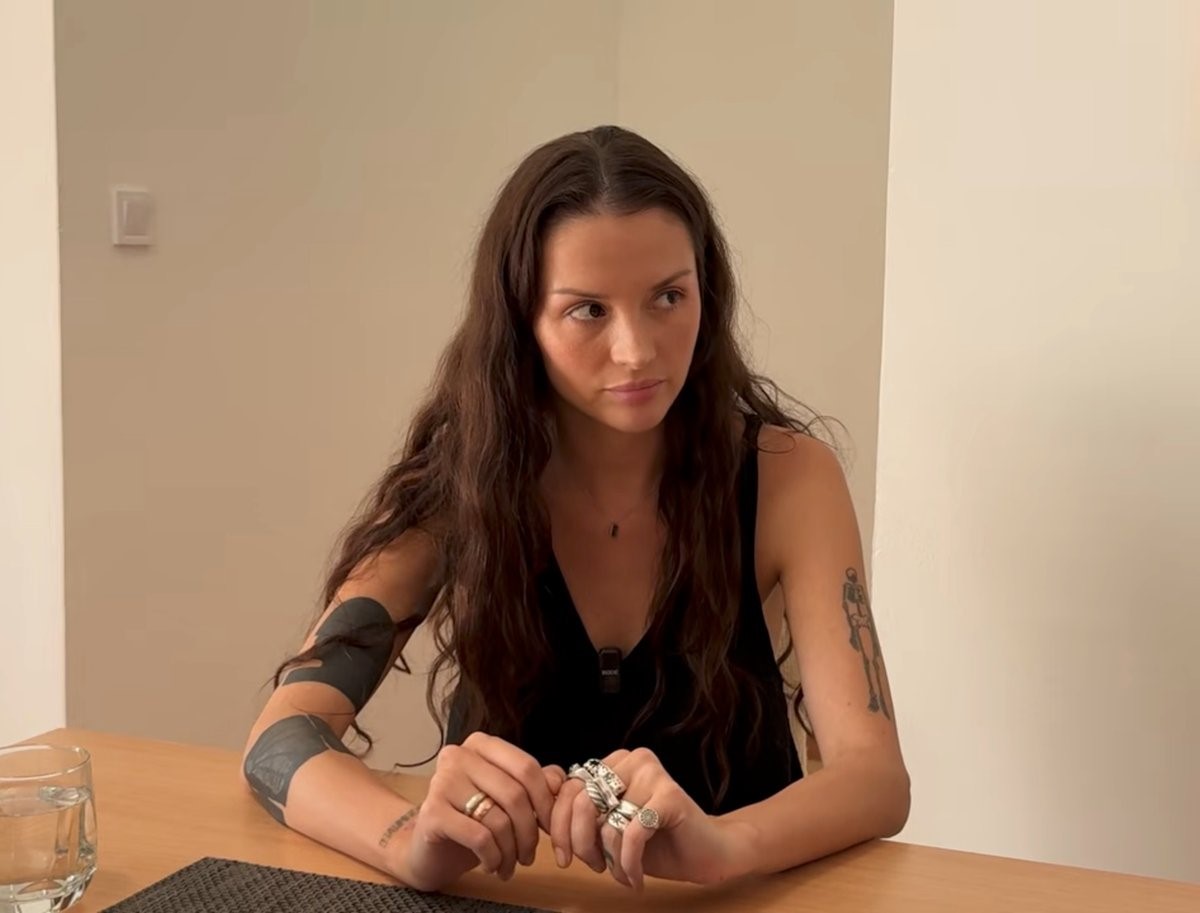
That is how Rita Flores, a 29-year-old Russian artist, activist and former member of the Pussy Riot collective, described her recruitment and three years of alleged handling by officers of Russia’s Federal Security Service (FSB) in an interview with The Guardian. She said the cooperation ended only when she fled Russia last month. The Guardian said it was unable to independently corroborate all of Flores’s account.
Flores, also known as Margarita Konovalova, has been associated with Pussy Riot since 2020, when she was detained following a performance near the Kremlin. She served several short prison terms and was subjected to surveillance and repeated home searches, which intensified after the crackdown that followed Russia’s full-scale invasion of Ukraine in February 2022.
Ivan and “the Jacket”
Flores said she was recruited after a police search in February 2023, when two men remained at her home and identified themselves as FSB officers. According to her account, they threatened to open a criminal case against her under wartime censorship laws over an Instagram post criticizing Russia’s actions in Ukraine. They also suggested that her mother could be killed if she refused to sign cooperation documents.
“I believed them. I believed they could do everything they said,” Flores told The Guardian, adding that she was terrified for herself and her family.
After signing the agreement, she said she received a one-time payment of between 30,000 and 40,000 rubles. Her initial assignments involved gathering information about opposition-minded artists in her circles and reporting it to the FSB.
According to Flores, the two officers who recruited her became her regular handlers and arranged frequent meetings. The senior officer, whom she saw only occasionally, was a man in his late 40s who used different names. She eventually nicknamed him “the Jacket” because of the shiny black suit he often wore.
The younger officer, whom she identified as Ivan, became her primary handler and generally adopted a friendlier approach, while the Jacket was more openly threatening.
Flores said she was instructed not to tell anyone about her recruitment but immediately informed about 20 people. She nevertheless avoided providing the people she was supposed to monitor with sensitive information, instead claiming that she deliberately created conflicts with them to distance herself and prevent them from sharing information with her.
She said the two handlers continued to exert psychological pressure through repeated threats, with Ivan also warning her at times about severe consequences for disobeying them, while the Jacket’s threats were more direct.
Escape from Moscow
Over time, Flores said, there were fewer people for her to report on as most protest-minded artists left Russia. She described wartime life in Moscow as deeply contradictory and said artists who remained in the country were careful not to produce work that could be interpreted as political, even indirectly.
“People who have stayed in Russia have accepted the rules of the game,” she said, describing how artists who once made strong political statements were now producing seemingly apolitical works.
Flores said that last May, her handlers began asking her about Pyotr Verzilov, an activist formerly associated with Pussy Riot who now lives in Ukraine and fights in the Ukrainian military. According to her account, they wanted information about him, including his address in Ukraine, and suggested that she use their former friendship to arrange a meeting in Serbia.
She said her handlers told her that Verzilov would be kidnapped and killed there by an FSB team. According to The Guardian, Ivan also began paying her an additional 50,000 rubles a month as an incentive related to the assignment.
Flores said she was simultaneously planning her escape. She married her partner last September, partly as a way to avoid the Serbia assignment by telling Ivan that her husband would not allow her to travel to meet another man.
She had previously believed that her handlers had prevented her from leaving Russia, but said she realized there might be a way out after contacting her lawyer, Dmitry Zakhvatov. The two then secretly planned her departure.
After Flores left Russia, Zakhvatov announced a secure hotline for people in similar situations who may need assistance. Flores said she also wanted to help others and believes recruitment within Russian activist circles is a widespread phenomenon.
She said at least one person in her own circle had informed on her before she agreed to cooperate with the FSB.
That is how Rita Flores, a 29-year-old Russian artist, activist and former member of the Pussy Riot collective, described her recruitment and three years of alleged handling by officers of Russia’s Federal Security Service (FSB) in an interview with The Guardian. She said the cooperation ended only when she fled Russia last month. The Guardian said it was unable to independently corroborate all of Flores’s account.
Flores, also known as Margarita Konovalova, has been associated with Pussy Riot since 2020, when she was detained following a performance near the Kremlin. She served several short prison terms and was subjected to surveillance and repeated home searches, which intensified after the crackdown that followed Russia’s full-scale invasion of Ukraine in February 2022.
Ivan and “the Jacket”
Flores said she was recruited after a police search in February 2023, when two men remained at her home and identified themselves as FSB officers. According to her account, they threatened to open a criminal case against her under wartime censorship laws over an Instagram post criticizing Russia’s actions in Ukraine. They also suggested that her mother could be killed if she refused to sign cooperation documents.
“I believed them. I believed they could do everything they said,” Flores told The Guardian, adding that she was terrified for herself and her family.
After signing the agreement, she said she received a one-time payment of between 30,000 and 40,000 rubles. Her initial assignments involved gathering information about opposition-minded artists in her circles and reporting it to the FSB.
According to Flores, the two officers who recruited her became her regular handlers and arranged frequent meetings. The senior officer, whom she saw only occasionally, was a man in his late 40s who used different names. She eventually nicknamed him “the Jacket” because of the shiny black suit he often wore.
The younger officer, whom she identified as Ivan, became her primary handler and generally adopted a friendlier approach, while the Jacket was more openly threatening.
Flores said she was instructed not to tell anyone about her recruitment but immediately informed about 20 people. She nevertheless avoided providing the people she was supposed to monitor with sensitive information, instead claiming that she deliberately created conflicts with them to distance herself and prevent them from sharing information with her.
She said the two handlers continued to exert psychological pressure through repeated threats, with Ivan also warning her at times about severe consequences for disobeying them, while the Jacket’s threats were more direct.
Escape from Moscow
Over time, Flores said, there were fewer people for her to report on as most protest-minded artists left Russia. She described wartime life in Moscow as deeply contradictory and said artists who remained in the country were careful not to produce work that could be interpreted as political, even indirectly.
“People who have stayed in Russia have accepted the rules of the game,” she said, describing how artists who once made strong political statements were now producing seemingly apolitical works.
Flores said that last May, her handlers began asking her about Pyotr Verzilov, an activist formerly associated with Pussy Riot who now lives in Ukraine and fights in the Ukrainian military. According to her account, they wanted information about him, including his address in Ukraine, and suggested that she use their former friendship to arrange a meeting in Serbia.
She said her handlers told her that Verzilov would be kidnapped and killed there by an FSB team. According to The Guardian, Ivan also began paying her an additional 50,000 rubles a month as an incentive related to the assignment.
Flores said she was simultaneously planning her escape. She married her partner last September, partly as a way to avoid the Serbia assignment by telling Ivan that her husband would not allow her to travel to meet another man.
She had previously believed that her handlers had prevented her from leaving Russia, but said she realized there might be a way out after contacting her lawyer, Dmitry Zakhvatov. The two then secretly planned her departure.
After Flores left Russia, Zakhvatov announced a secure hotline for people in similar situations who may need assistance. Flores said she also wanted to help others and believes recruitment within Russian activist circles is a widespread phenomenon.
She said at least one person in her own circle had informed on her before she agreed to cooperate with the FSB.
NEWS RELATED TO
Russian Delegation to Attend G20 Energy Meeting in US
Sep 12,2026 | Europe
Zelenskyy Says Russia Open to Talks on Ukraine War
Sep 08,2026 | Europe