

Jordanian Heritage Set to Gain New Presence in South Korea's West Asia Museum in 2027


Cultural cooperation agreement between Jordan's Ministry of Culture and the National Asian Culture Center opens new opportunities for cultural exchange between the two countriesاضافة اعلان
GWANGJU, SOUTH KOREA — October 2026 - Reem Tareq
Jordanian culture and heritage are expected to gain a new platform in South Korea in 2027, as the National Asian Culture Center (ACC) prepares to introduce a dedicated Jordanian section within its upcoming West Asia Museum.
The development follows the signing of a Memorandum of Understanding (MOU) between Jordan's Ministry of Culture and the National Asian Culture Center, marking a new step in strengthening cultural cooperation between Jordan and South Korea.
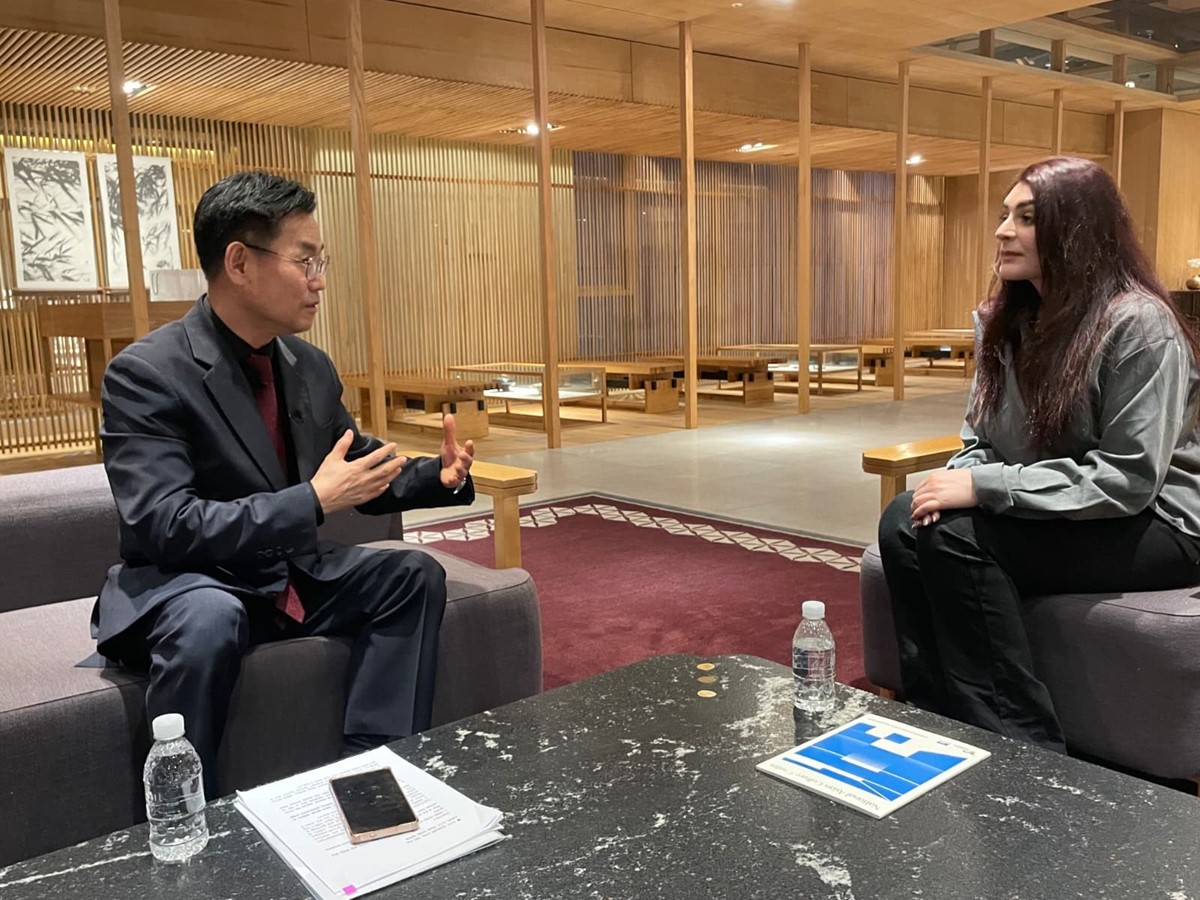
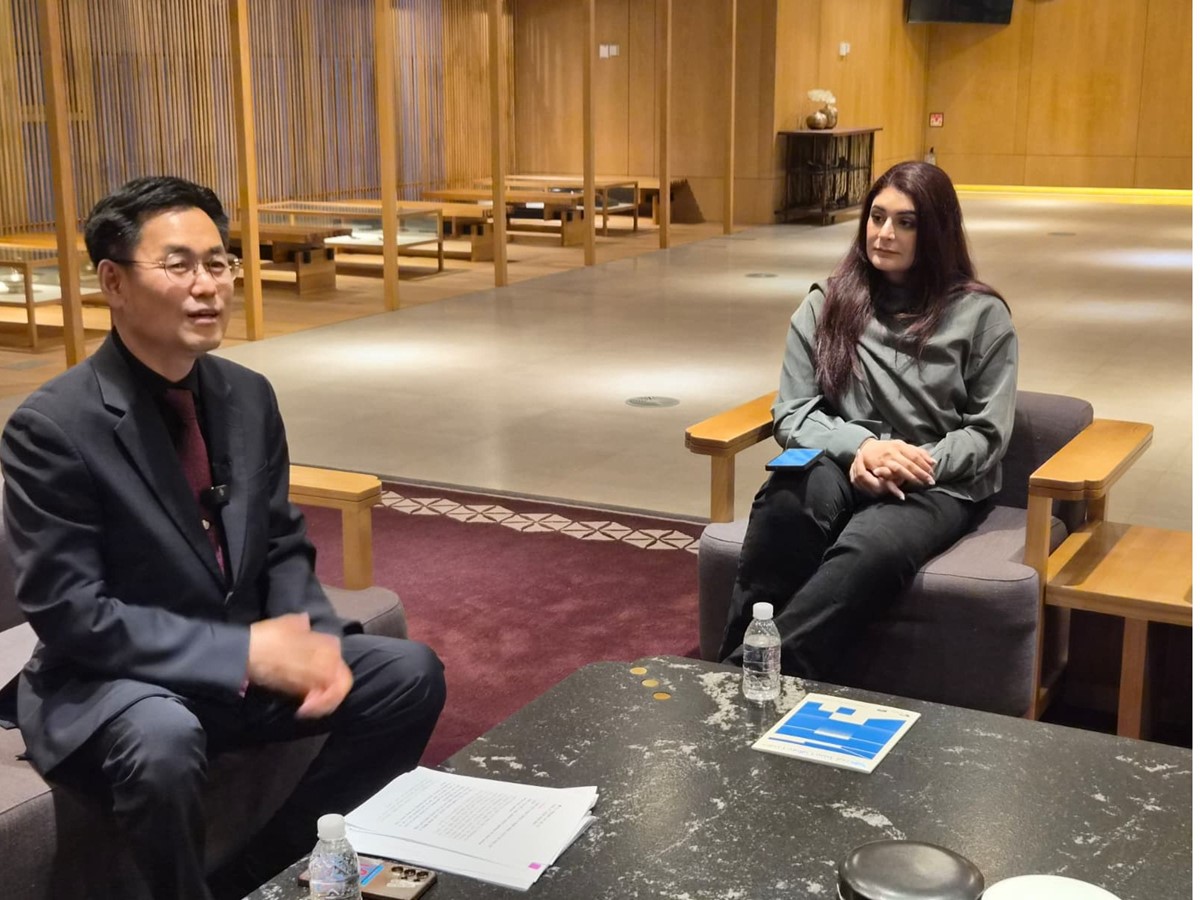
According to ACC President Kim Sang-uk, the agreement aims to expand cultural exchanges and introduce Jordan's rich heritage to Korean and international audiences. He explained that plans are underway to establish a Jordanian section as part of the center's forthcoming West Asia Museum, with the initiative expected to take shape in 2027.
The initiative forms part of ACC's broader efforts to expand the representation of Asian cultures, particularly those of West Asia, and create new opportunities for international cultural cooperation.
Bringing Jordanian Heritage to Korean Audiences
The partnership between Jordan's Ministry of Culture and ACC represents an opportunity to introduce Korean visitors to Jordan's cultural identity, historical traditions, and artistic heritage.
The planned Jordanian section is expected to showcase various aspects of Jordanian culture, potentially including traditional crafts, clothing, music, art, and everyday cultural practices that reflect the country's diverse heritage.
Beyond museum exhibitions, the agreement could pave the way for collaborative cultural projects, research initiatives, artistic exchanges, and partnerships between cultural institutions and professionals in both countries.
The initiative also offers an opportunity to highlight contemporary Jordanian culture alongside its historical heritage, presenting a broader perspective on the country's cultural identity and creative development.
From "Ahlan, The Fatima House" to the West Asia Museum
ACC's interest in Jordanian and West Asian cultures predates the latest agreement.
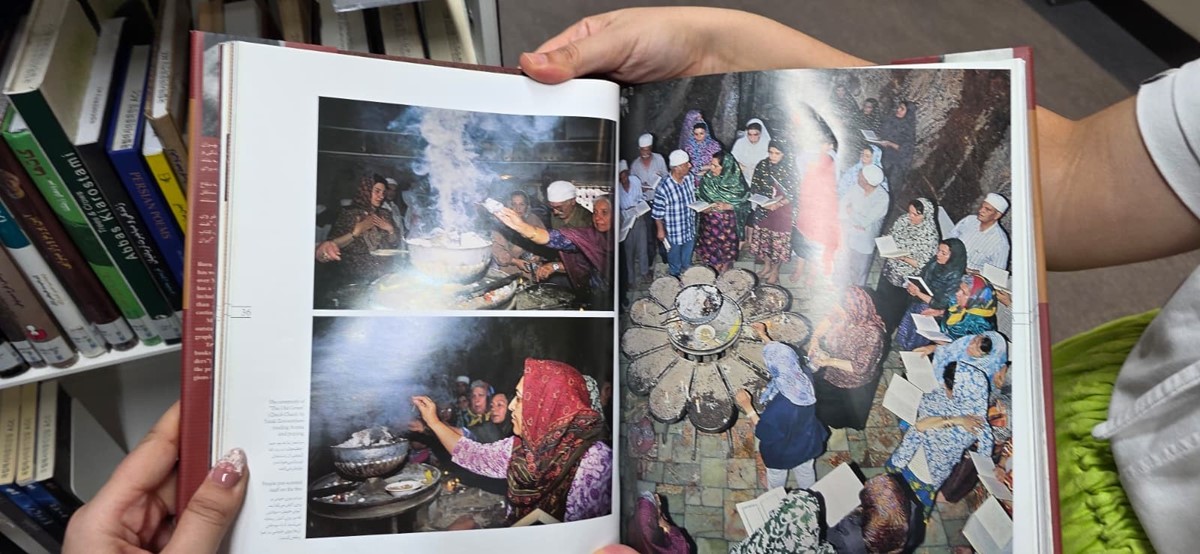
In October 2025, the center presented an exhibition titled Ahlan, The Fatima House, which explored everyday life, hospitality, and cultural traditions across several West Asian countries, including Jordan, Saudi Arabia, Palestine, and Syria.
The exhibition introduced visitors to aspects of Jordanian heritage through photographs depicting prominent historical and natural landmarks, including Petra, Wadi Rum, and the Dead Sea, alongside images of traditional markets and everyday life.
It also highlighted the region's textile heritage through contributions from Tiraz, a Jordanian institution dedicated to preserving and documenting traditional Arab and Palestinian dress and textiles.
The exhibition explored hospitality as a central element of cultural identity in Arab societies, allowing visitors to experience traditions and social customs through interactive displays.
The development of the West Asia Museum is expected to build on such initiatives, creating opportunities for more extensive and sustained presentations of the region's diverse cultural heritage.
Asia Culture Week 2026: Bringing Asian Cultures Together Through Food
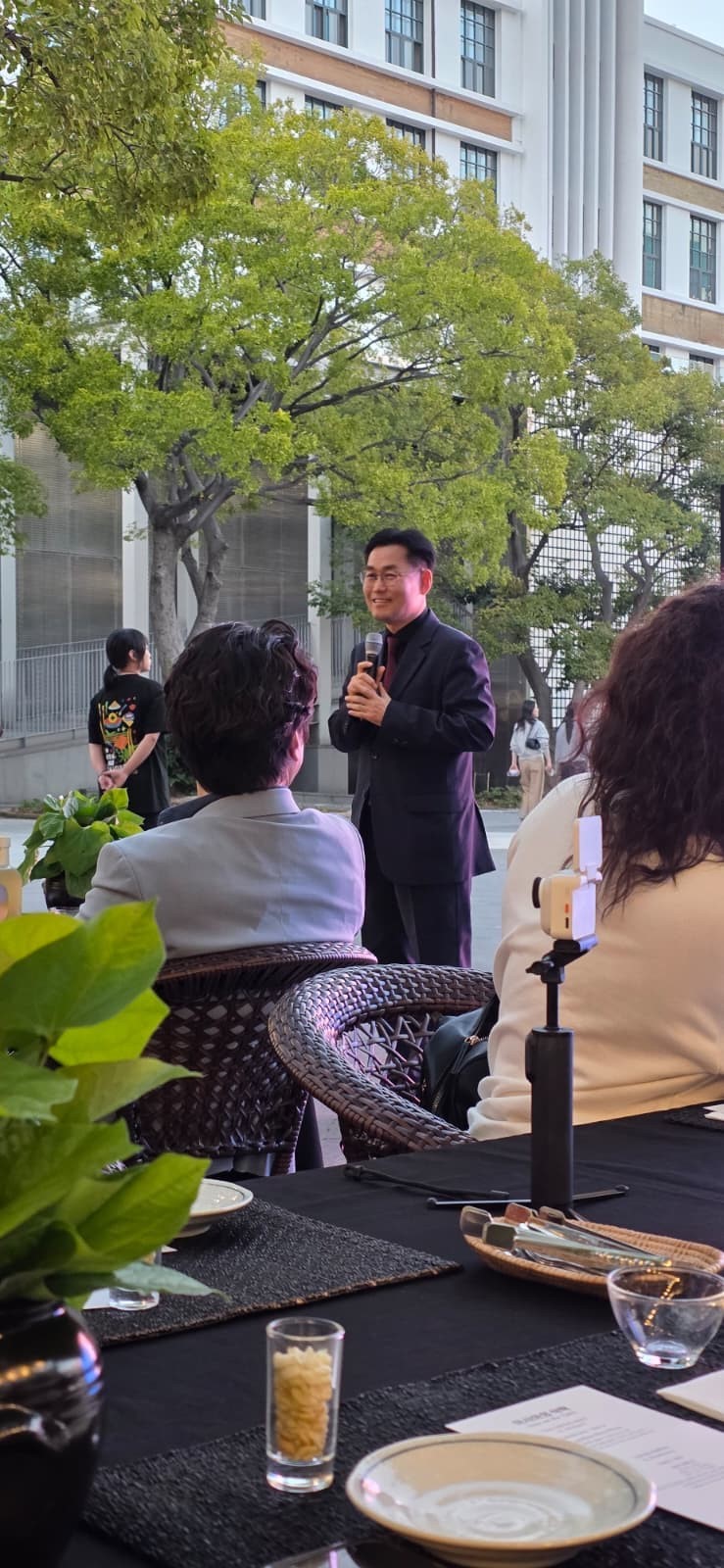
The announcement comes alongside the successful conclusion of Asia Culture Week 2026, held at the National Asian Culture Center in Gwangju from October 8 to 11.
Under the theme Asia on the Table, this year's festival highlighted food as an essential expression of cultural identity and a means of fostering understanding and connections between different communities.
The event brought together culinary traditions, arts, crafts, cultural performances, and interactive experiences from across Asia.
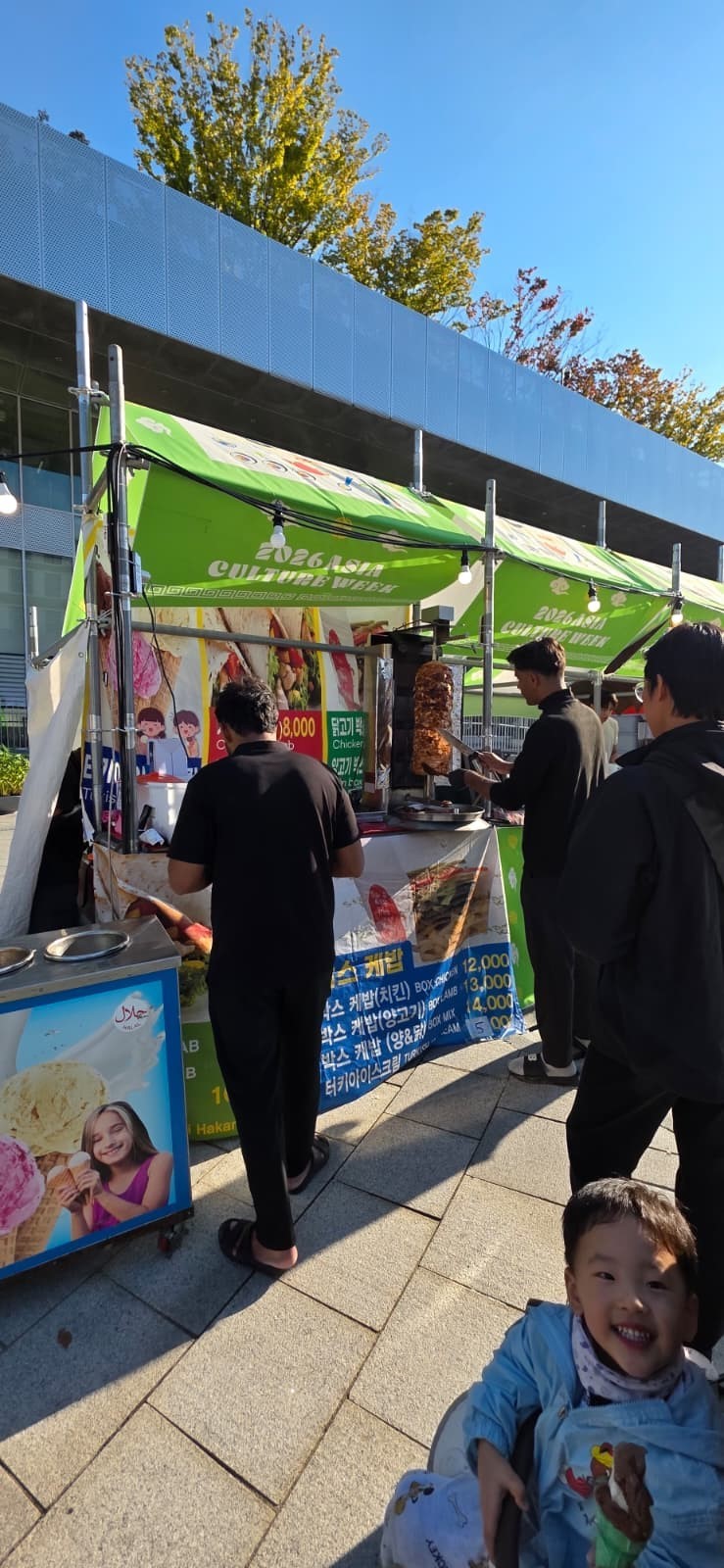
One of the festival's main attractions was the ACC Asia Art Market, which featured 66 booths representing 15 Asian countries, including Oman, Syria, Türkiye, India, Nepal, Mongolia, Indonesia, Thailand, and South Korea.
Visitors had opportunities to explore traditional handicrafts, cultural products, and everyday customs, while experiencing the diversity of Asian cuisine.
The program also included food-tasting experiences, workshops exploring tea and coffee traditions, musical performances, and interactive cooking activities highlighting the connections between food, heritage, and cultural identity.
Through these activities, ACC sought to make cultural exchange an immersive experience, encouraging visitors to engage directly with traditions and communities from across the continent.
The National Asian Culture Center: A Hub for Cultural Exchange
Established on November 25, 2015, in Gwangju, the National Asian Culture Center is a major cultural institution operating under South Korea's Ministry of Culture, Sports and Tourism.
The center serves as a multidisciplinary cultural platform dedicated to researching, collecting, preserving, and presenting Asian cultural heritage while supporting contemporary artistic creation and international cultural exchange.
Its facilities include the Asian Culture Museum, a specialized library, creative production spaces, performing arts theaters, and a children's cultural center, alongside public plazas hosting festivals and community activities.
Architecturally, ACC is distinguished by its Forest of Light concept, which integrates extensive underground cultural facilities with open public spaces above ground.
The design also preserves the historical significance of the former South Jeolla Provincial Government building, a landmark associated with Gwangju's democratic movement.
Through exhibitions, performances, research initiatives, and international partnerships, ACC aims to deepen understanding of Asia's cultural diversity and provide a platform for collaboration among artists, researchers, and cultural institutions.
A New Chapter in Jordan–South Korea Cultural Relations
The agreement between Jordan's Ministry of Culture and the National Asian Culture Center represents a step toward expanding cultural relations between the two countries.
As South Korea continues to strengthen its cultural engagement with West Asia, the planned Jordanian section could provide an important opportunity to introduce Jordanian heritage to a wider international audience.
The initiative may also encourage future cooperation in museum development, cultural research, exhibitions, artistic production, and professional exchanges.
With the Jordanian section expected to take shape in 2027, the partnership offers the prospect of a lasting cultural connection between Jordan and South Korea, extending beyond individual festivals and temporary exhibitions.
The forthcoming West Asia Museum could therefore become a new platform for presenting Jordan's history, traditions, and contemporary cultural identity, contributing to greater mutual understanding between the peoples of both countries.
GWANGJU, SOUTH KOREA — October 2026 - Reem Tareq
Jordanian culture and heritage are expected to gain a new platform in South Korea in 2027, as the National Asian Culture Center (ACC) prepares to introduce a dedicated Jordanian section within its upcoming West Asia Museum.
The development follows the signing of a Memorandum of Understanding (MOU) between Jordan's Ministry of Culture and the National Asian Culture Center, marking a new step in strengthening cultural cooperation between Jordan and South Korea.
According to ACC President Kim Sang-uk, the agreement aims to expand cultural exchanges and introduce Jordan's rich heritage to Korean and international audiences. He explained that plans are underway to establish a Jordanian section as part of the center's forthcoming West Asia Museum, with the initiative expected to take shape in 2027.
The initiative forms part of ACC's broader efforts to expand the representation of Asian cultures, particularly those of West Asia, and create new opportunities for international cultural cooperation.
Bringing Jordanian Heritage to Korean Audiences
The partnership between Jordan's Ministry of Culture and ACC represents an opportunity to introduce Korean visitors to Jordan's cultural identity, historical traditions, and artistic heritage.
The planned Jordanian section is expected to showcase various aspects of Jordanian culture, potentially including traditional crafts, clothing, music, art, and everyday cultural practices that reflect the country's diverse heritage.
Beyond museum exhibitions, the agreement could pave the way for collaborative cultural projects, research initiatives, artistic exchanges, and partnerships between cultural institutions and professionals in both countries.
The initiative also offers an opportunity to highlight contemporary Jordanian culture alongside its historical heritage, presenting a broader perspective on the country's cultural identity and creative development.
From "Ahlan, The Fatima House" to the West Asia Museum
ACC's interest in Jordanian and West Asian cultures predates the latest agreement.
In October 2025, the center presented an exhibition titled Ahlan, The Fatima House, which explored everyday life, hospitality, and cultural traditions across several West Asian countries, including Jordan, Saudi Arabia, Palestine, and Syria.
The exhibition introduced visitors to aspects of Jordanian heritage through photographs depicting prominent historical and natural landmarks, including Petra, Wadi Rum, and the Dead Sea, alongside images of traditional markets and everyday life.
It also highlighted the region's textile heritage through contributions from Tiraz, a Jordanian institution dedicated to preserving and documenting traditional Arab and Palestinian dress and textiles.
The exhibition explored hospitality as a central element of cultural identity in Arab societies, allowing visitors to experience traditions and social customs through interactive displays.
The development of the West Asia Museum is expected to build on such initiatives, creating opportunities for more extensive and sustained presentations of the region's diverse cultural heritage.
Asia Culture Week 2026: Bringing Asian Cultures Together Through Food
The announcement comes alongside the successful conclusion of Asia Culture Week 2026, held at the National Asian Culture Center in Gwangju from October 8 to 11.
Under the theme Asia on the Table, this year's festival highlighted food as an essential expression of cultural identity and a means of fostering understanding and connections between different communities.
The event brought together culinary traditions, arts, crafts, cultural performances, and interactive experiences from across Asia.
One of the festival's main attractions was the ACC Asia Art Market, which featured 66 booths representing 15 Asian countries, including Oman, Syria, Türkiye, India, Nepal, Mongolia, Indonesia, Thailand, and South Korea.
Visitors had opportunities to explore traditional handicrafts, cultural products, and everyday customs, while experiencing the diversity of Asian cuisine.
The program also included food-tasting experiences, workshops exploring tea and coffee traditions, musical performances, and interactive cooking activities highlighting the connections between food, heritage, and cultural identity.
Through these activities, ACC sought to make cultural exchange an immersive experience, encouraging visitors to engage directly with traditions and communities from across the continent.
The National Asian Culture Center: A Hub for Cultural Exchange
Established on November 25, 2015, in Gwangju, the National Asian Culture Center is a major cultural institution operating under South Korea's Ministry of Culture, Sports and Tourism.
The center serves as a multidisciplinary cultural platform dedicated to researching, collecting, preserving, and presenting Asian cultural heritage while supporting contemporary artistic creation and international cultural exchange.
Its facilities include the Asian Culture Museum, a specialized library, creative production spaces, performing arts theaters, and a children's cultural center, alongside public plazas hosting festivals and community activities.
Architecturally, ACC is distinguished by its Forest of Light concept, which integrates extensive underground cultural facilities with open public spaces above ground.
The design also preserves the historical significance of the former South Jeolla Provincial Government building, a landmark associated with Gwangju's democratic movement.
Through exhibitions, performances, research initiatives, and international partnerships, ACC aims to deepen understanding of Asia's cultural diversity and provide a platform for collaboration among artists, researchers, and cultural institutions.
A New Chapter in Jordan–South Korea Cultural Relations
The agreement between Jordan's Ministry of Culture and the National Asian Culture Center represents a step toward expanding cultural relations between the two countries.
As South Korea continues to strengthen its cultural engagement with West Asia, the planned Jordanian section could provide an important opportunity to introduce Jordanian heritage to a wider international audience.
The initiative may also encourage future cooperation in museum development, cultural research, exhibitions, artistic production, and professional exchanges.
With the Jordanian section expected to take shape in 2027, the partnership offers the prospect of a lasting cultural connection between Jordan and South Korea, extending beyond individual festivals and temporary exhibitions.
The forthcoming West Asia Museum could therefore become a new platform for presenting Jordan's history, traditions, and contemporary cultural identity, contributing to greater mutual understanding between the peoples of both countries.
NEWS RELATED TO