


From Amman to the Global Screen: Reem AlShaini on Storytelling Through Space
How a Jordanian production designer is bringing emotional depth to film sets across cultures

- +
- -


By Bayan Nawafleh
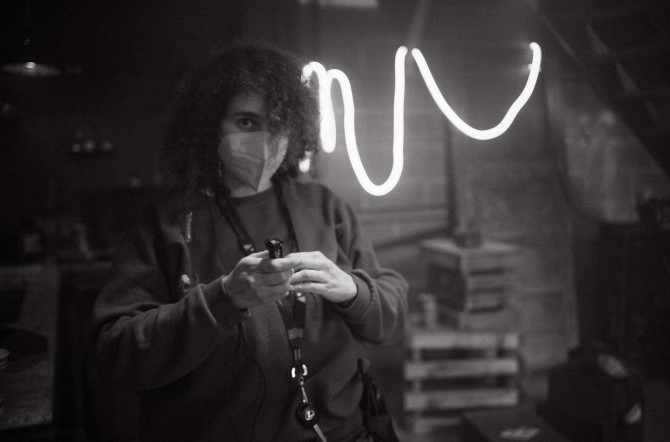
Growing up in Amman—a city layered with ancient ruins, winding stairways, and hillsides rich with stories—Jordanian production designer Reem AlShaini developed an early fascination with how physical environments shape human emotion. For her, architecture was never just about form; it was about how spaces carry memory, reflect identity, and bring people together.اضافة اعلان
This sensitivity to place eventually led her to production design, where architecture, psychology, and storytelling converge.
“I became interested in how environments can carry emotional weight,” AlShaini says. “How a space can communicate meaning before a character ever speaks.”
Before entering the film industry, AlShaini studied architecture, creating visualizations and drawings that explored how material, light, and form influence perception. But it was cinema that revealed to her the full narrative power of space. Watching the 1972 film Cabaret became a turning point, showing how environments could become active storytelling tools rather than passive backdrops.
Her artistic path took a major step forward when she pursued her MFA in Production Design at the American Film Institute (AFI) in Los Angeles, one of the world’s leading film conservatories. She graduated in August 2024, refining her approach to visual storytelling through a series of projects that combined research, cultural sensitivity, and hands-on collaboration.
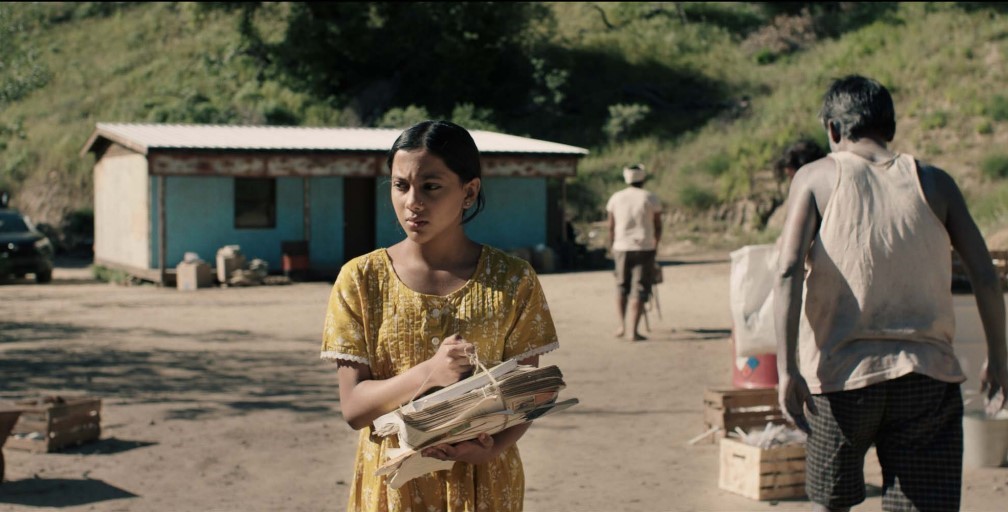
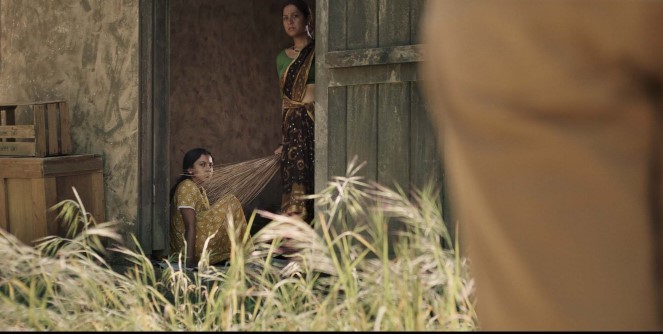
Her thesis film, PATAKHA—a recreation of an Indian firecracker factory built in Los Angeles—became a defining moment in her early career. The project was recently nominated for the 45th College Television Awards, often referred to as the “Student Emmys,” presented by the Television Academy Foundation.
Created under challenging conditions, including limited resources and unpredictable weather, the film became a testament to teamwork, resilience, and deeply researched design.
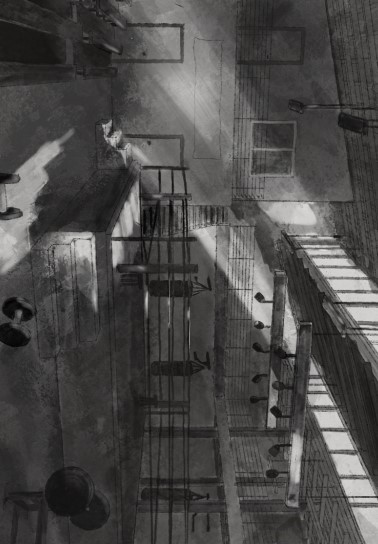
“What I treasured most was the creative dialogue,” AlShaini explains. “Sharing every sketch and model with my director and cinematographer allowed us to problem-solve together and create something that felt emotionally and culturally authentic.”
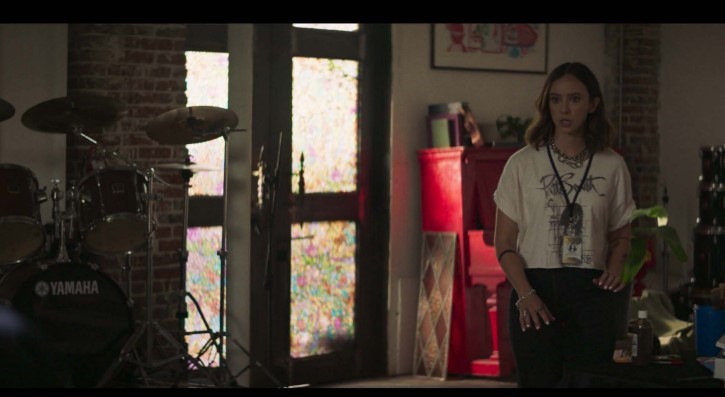
Her work has since appeared on major international platforms. AlShaini served as Art Director on The Stand, which premiered at the Tribeca Film Festival, and worked as Production Designer on Emigre Americana, which was selected for the Palm Springs International ShortFest—one of the world’s most respected showcases for short films. Together, these projects reflect her growing presence on the global film circuit.
Today, AlShaini works internationally, designing environments that function as emotional landscapes—spaces that reflect the inner lives of characters through texture, color, light, and material. Her work is rooted in the belief that production design is not decorative, but narrative.
“Design for the moving image is about building worlds that feel lived in,” she says. “Spaces should carry history, subtext, and humanity.”
As her career continues to expand across cultures and continents, AlShaini remains deeply committed to collaboration, mentorship, and cultural storytelling. Whether working on independent films or large-scale productions, she approaches each project with curiosity and a strong sense of responsibility to the stories she helps bring to life.


For her, every set is more than a backdrop—it is a character in its own right.
Growing up in Amman—a city layered with ancient ruins, winding stairways, and hillsides rich with stories—Jordanian production designer Reem AlShaini developed an early fascination with how physical environments shape human emotion. For her, architecture was never just about form; it was about how spaces carry memory, reflect identity, and bring people together.
This sensitivity to place eventually led her to production design, where architecture, psychology, and storytelling converge.
“I became interested in how environments can carry emotional weight,” AlShaini says. “How a space can communicate meaning before a character ever speaks.”
Before entering the film industry, AlShaini studied architecture, creating visualizations and drawings that explored how material, light, and form influence perception. But it was cinema that revealed to her the full narrative power of space. Watching the 1972 film Cabaret became a turning point, showing how environments could become active storytelling tools rather than passive backdrops.
Her artistic path took a major step forward when she pursued her MFA in Production Design at the American Film Institute (AFI) in Los Angeles, one of the world’s leading film conservatories. She graduated in August 2024, refining her approach to visual storytelling through a series of projects that combined research, cultural sensitivity, and hands-on collaboration.
Her thesis film, PATAKHA—a recreation of an Indian firecracker factory built in Los Angeles—became a defining moment in her early career. The project was recently nominated for the 45th College Television Awards, often referred to as the “Student Emmys,” presented by the Television Academy Foundation.
Created under challenging conditions, including limited resources and unpredictable weather, the film became a testament to teamwork, resilience, and deeply researched design.
“What I treasured most was the creative dialogue,” AlShaini explains. “Sharing every sketch and model with my director and cinematographer allowed us to problem-solve together and create something that felt emotionally and culturally authentic.”
Her work has since appeared on major international platforms. AlShaini served as Art Director on The Stand, which premiered at the Tribeca Film Festival, and worked as Production Designer on Emigre Americana, which was selected for the Palm Springs International ShortFest—one of the world’s most respected showcases for short films. Together, these projects reflect her growing presence on the global film circuit.
Today, AlShaini works internationally, designing environments that function as emotional landscapes—spaces that reflect the inner lives of characters through texture, color, light, and material. Her work is rooted in the belief that production design is not decorative, but narrative.
“Design for the moving image is about building worlds that feel lived in,” she says. “Spaces should carry history, subtext, and humanity.”
As her career continues to expand across cultures and continents, AlShaini remains deeply committed to collaboration, mentorship, and cultural storytelling. Whether working on independent films or large-scale productions, she approaches each project with curiosity and a strong sense of responsibility to the stories she helps bring to life.
For her, every set is more than a backdrop—it is a character in its own right.