

Ayla Oasis Strengthens Its Environmental Standing with the Recording of 108 Bird Species in 2025


The results of the 2025 bird monitoring report in Ayla Oasis revealed the recording of 108 bird species during the spring and autumn migration seasons, underscoring the area’s growing environmental significance as a key stopover for migratory birds along one of the world’s major flyways between Asia and Africa.اضافة اعلان
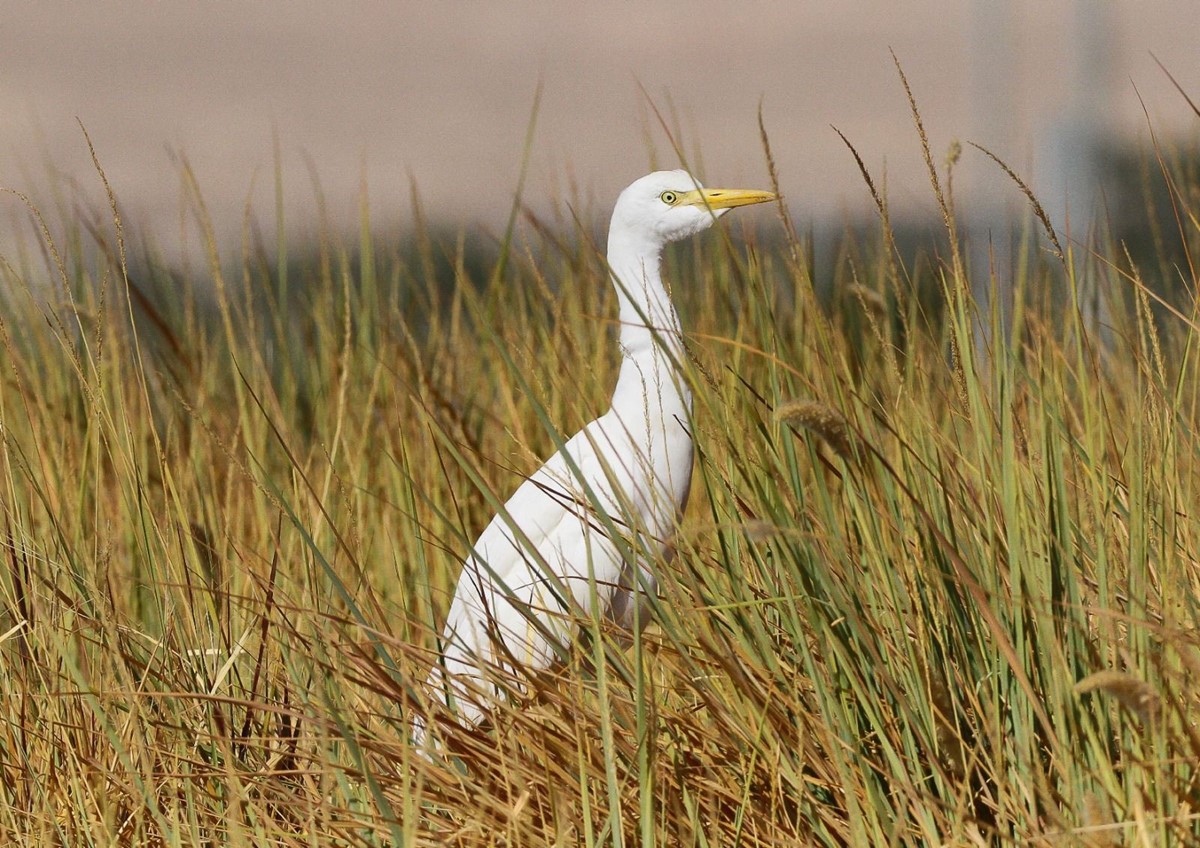
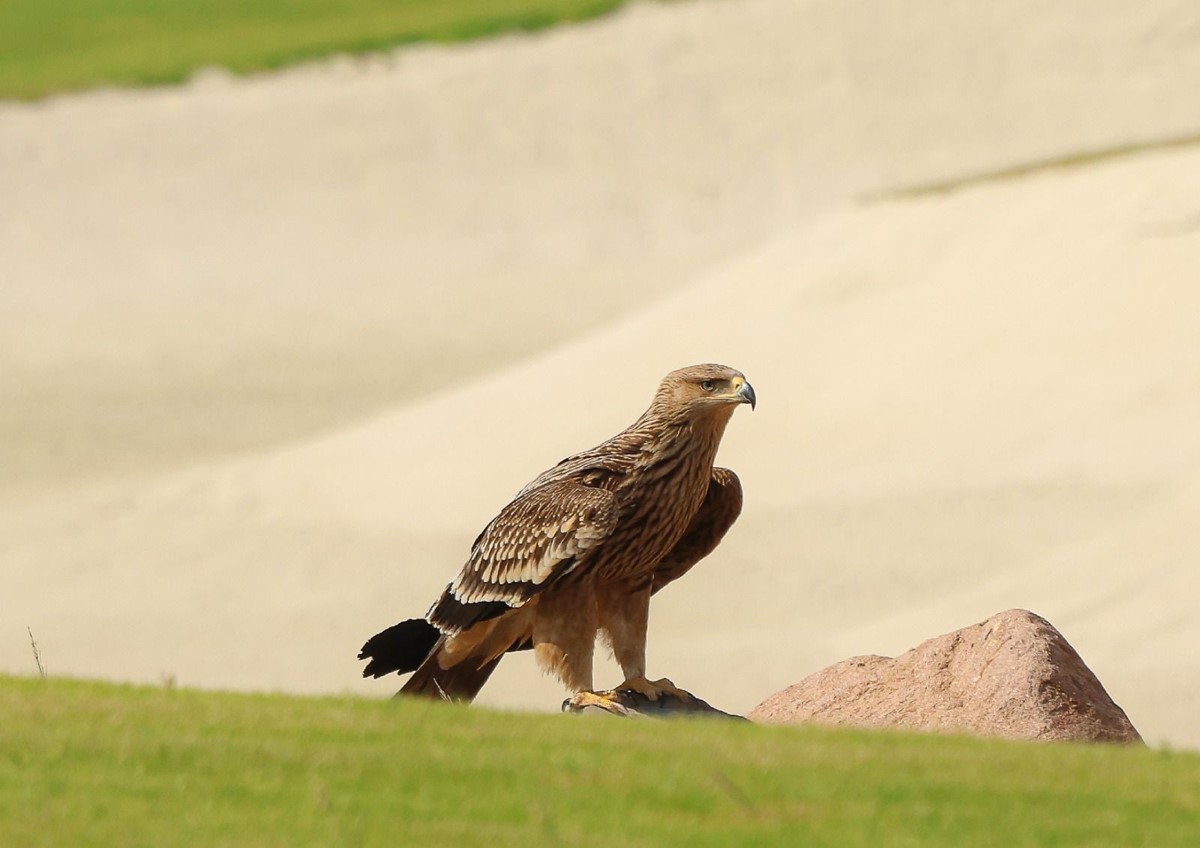
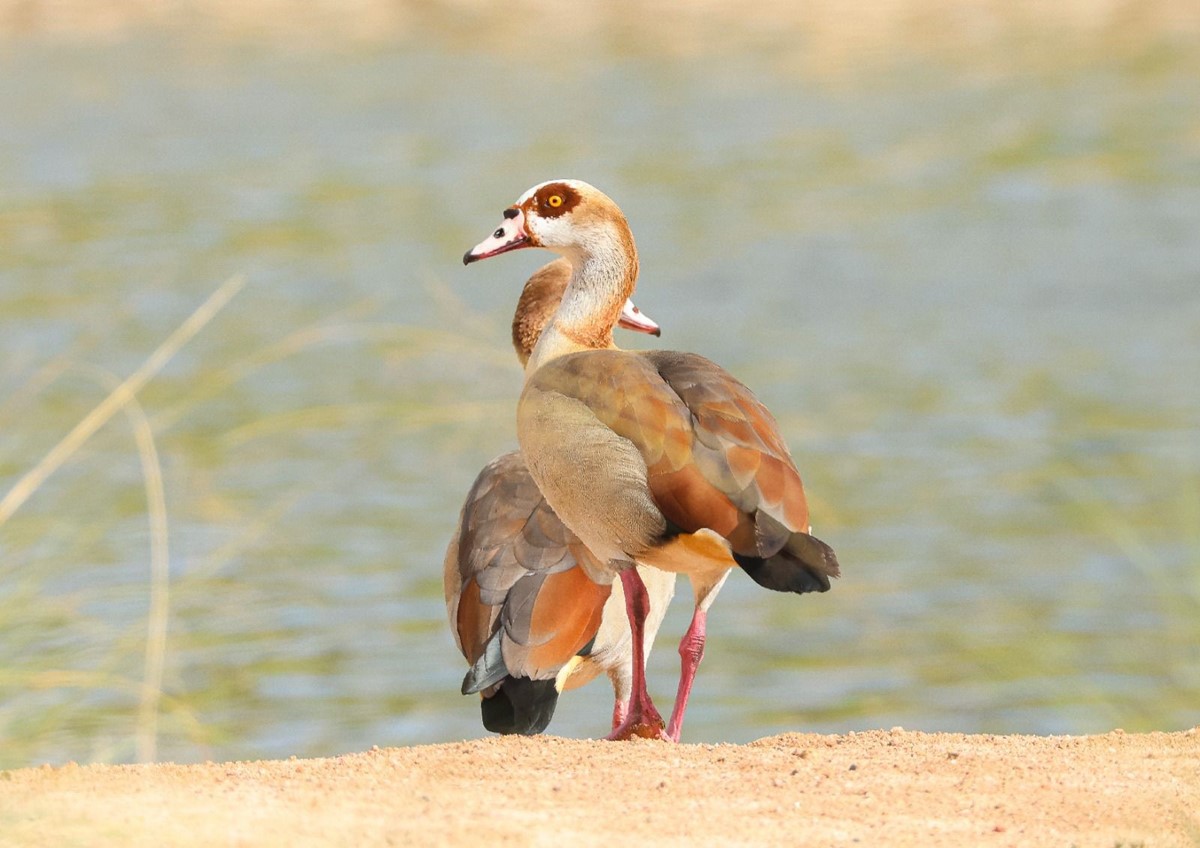
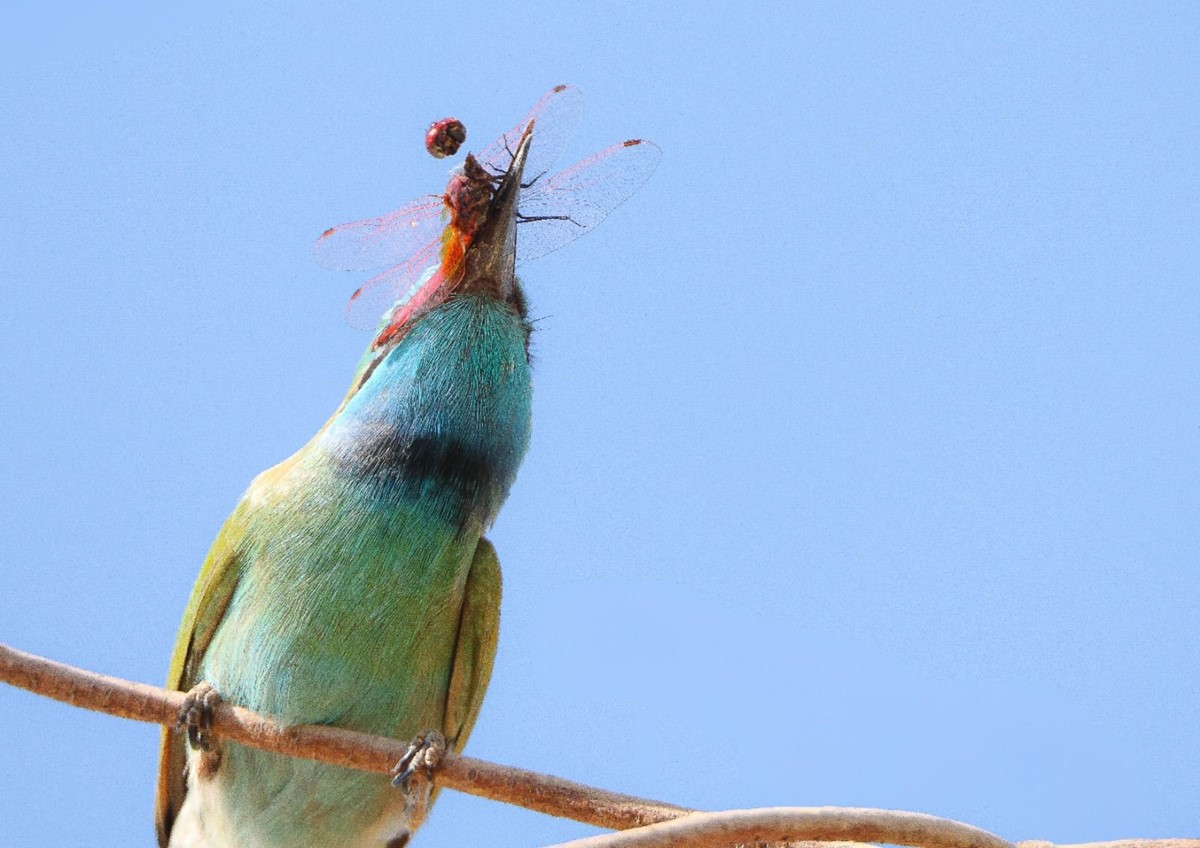
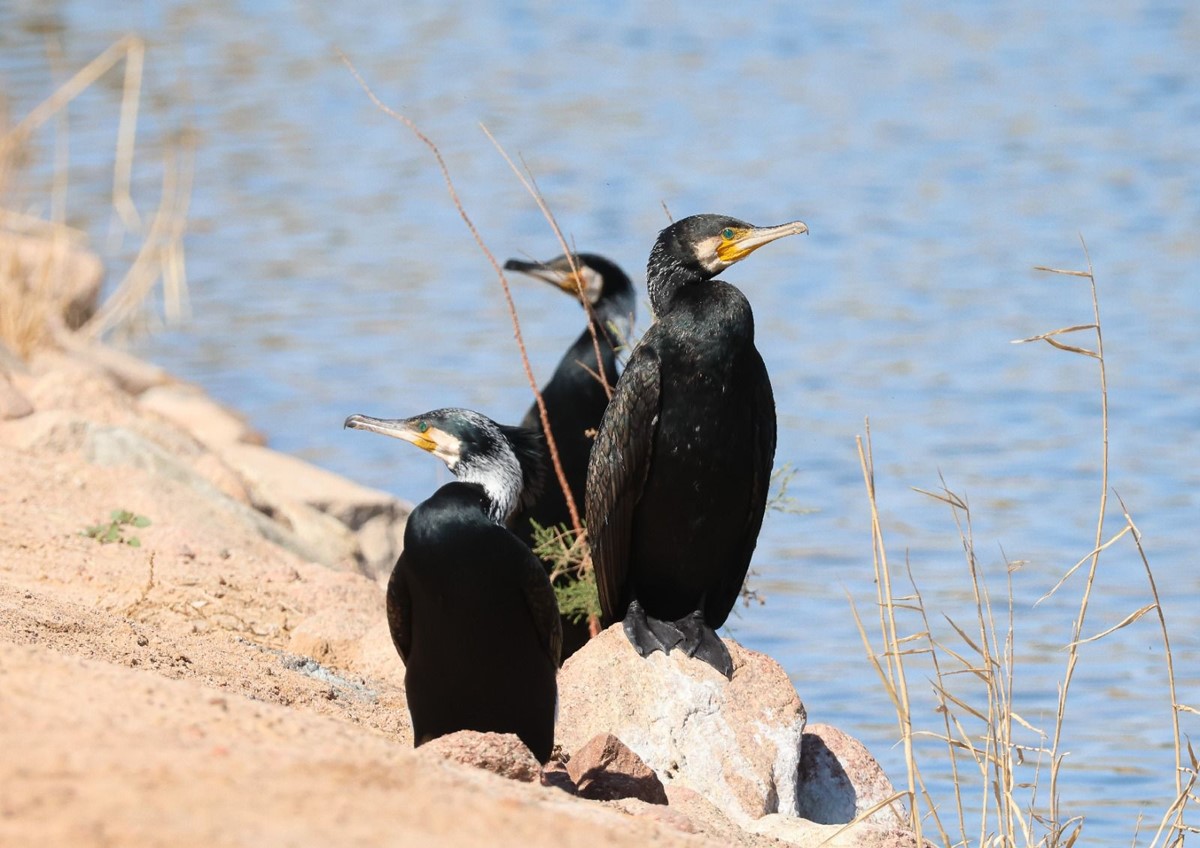
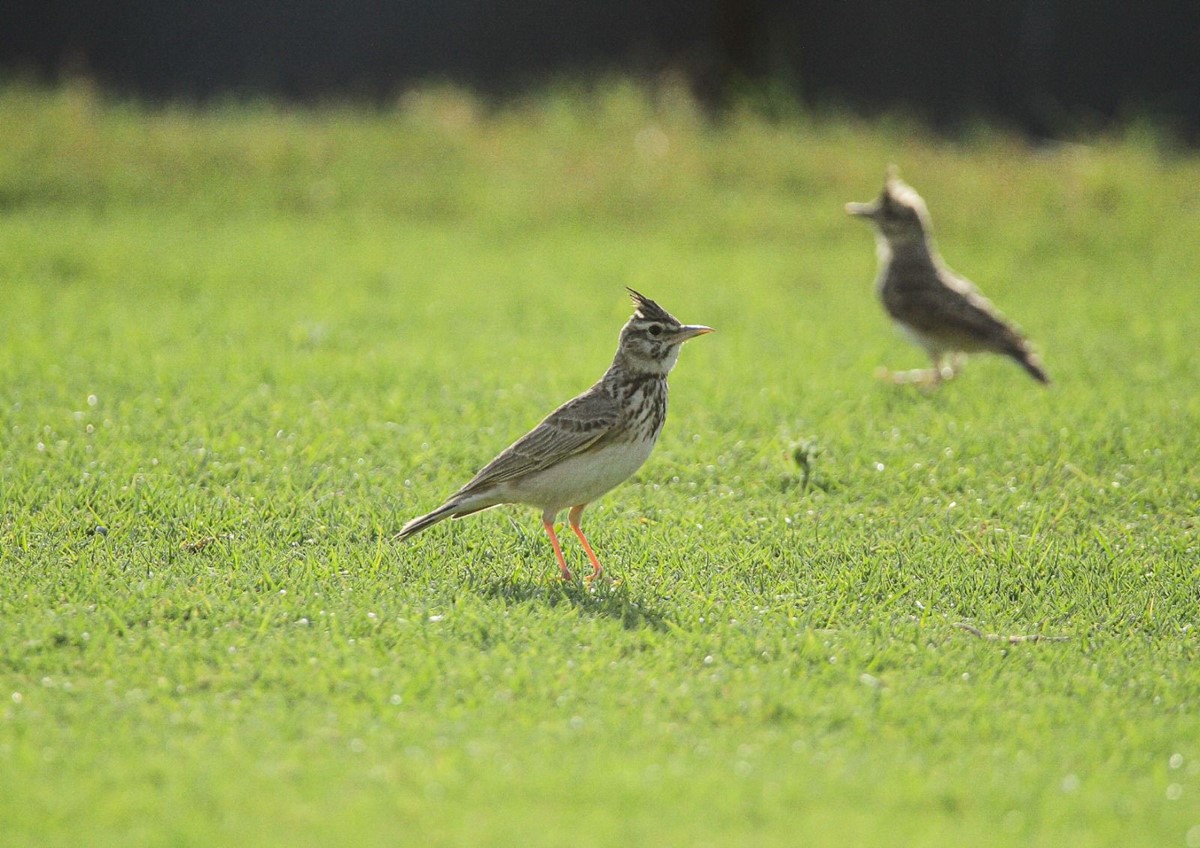
The report, prepared by the Aqaba Bird Observatory, indicated that of the recorded species, 14 are resident year-round, 57 are regularly observed during migration seasons, and 37 are less common but can be spotted during peak migration periods. This reflects a rich ecological diversity that enhances the area’s natural and tourism appeal. The report further confirmed that Ayla Oasis has become home to more than 130 bird species, representing nearly one-third of the species recorded in Jordan and approximately half of those found in Aqaba Governorate. This serves as clear evidence of the success of sustainability-driven efforts aimed at achieving development while supporting biodiversity conservation.
In a related context, continuous monitoring efforts over more than a decade have documented around 270 bird species within Ayla Oasis and the Aqaba Bird Observatory, further reinforcing Aqaba’s position as a major transit point along one of the world’s most important migratory routes, through which millions of birds pass annually.
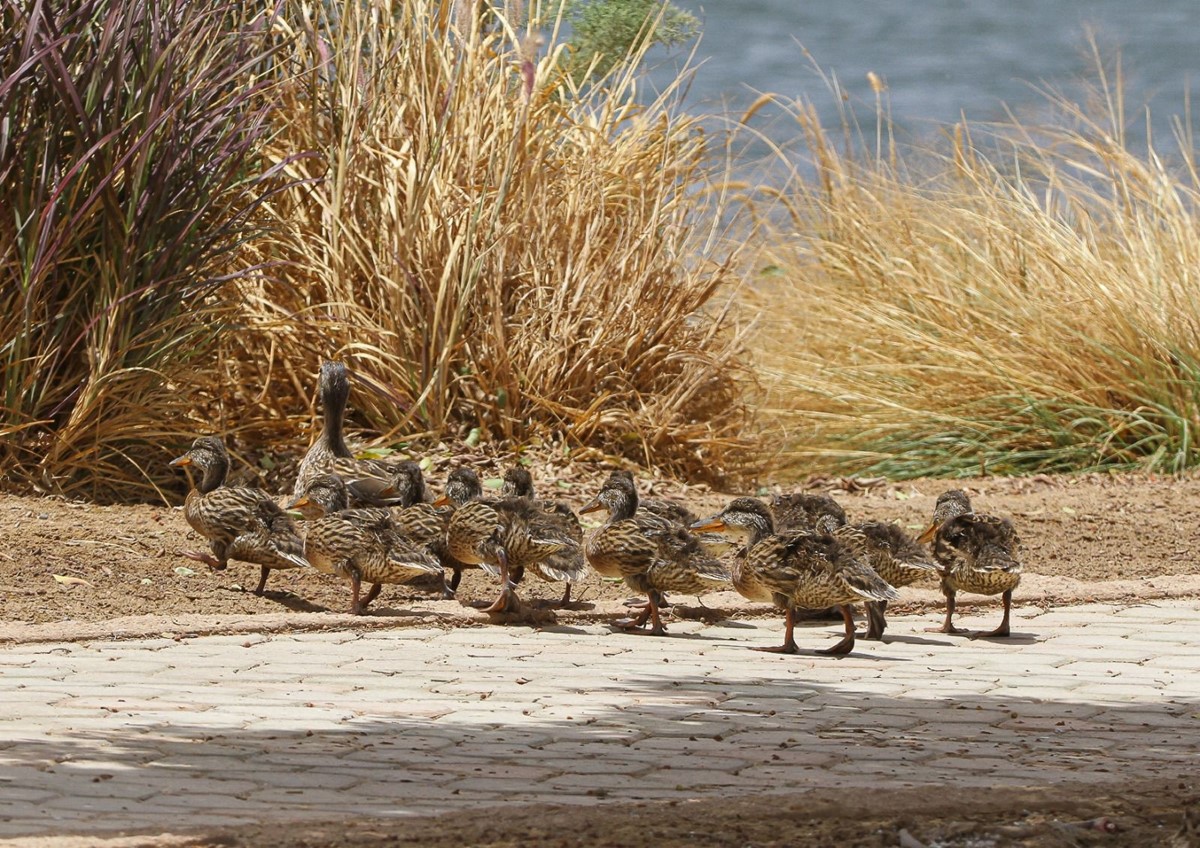
The report also highlighted the importance of wetland habitats, particularly artificial ones, in supporting globally threatened bird species. Data showed that approximately 8% of the recorded species are classified as threatened or near-threatened, emphasizing the critical role these sites play in providing safe resting and feeding environments during long migratory journeys. Additionally, the report noted that the majority of duck species observed in Jordan during 2025 were recorded within Ayla and the Aqaba Bird Observatory. It also documented successful breeding of key species, including the Ferruginous Duck at the observatory and the Mallard at Ayla Oasis, marking a significant shift from the site being merely a transit point to becoming a supportive breeding habitat that contributes to species sustainability.
Commenting on these findings, Eng. Sahl Dudin, Managing Director of Ayla Oasis Development Company, stated: “These results reflect the progress Ayla is making in establishing a fully integrated model for sustainable development. We are committed to creating balanced natural environments that support biodiversity and align with global environmental best practices. Attracting such a diverse range of bird species, including threatened ones, confirms that Ayla has become a genuine eco-tourism destination on the map of sustainable tourism.”
He added: “We view these achievements as part of a long-term commitment to environmental protection and enhancement, while continuing to develop high-quality experiences that allow visitors to engage with nature in a responsible and sustainable manner.”
For his part, Engineer Firas Rahahleh, Director of the Aqaba Bird Observatory, said: “The findings of this report highlight the significant positive impact of integrated efforts between environmental and development entities in Aqaba. Wetland habitats, particularly artificial ones, have played a key role in attracting rare and threatened species and even supporting their breeding. This development reflects the transformation of the area into a fully integrated ecosystem capable of sustainably supporting bird life cycles, while compensating for degraded natural habitats.”
He added: “The development of birdwatching trails in Ayla Oasis, in integration with the Aqaba Bird Observatory, contributes to the growth of birdwatching tourism as a globally expanding niche. It also supports the local economy and strengthens Aqaba’s position as a leading eco-tourism destination.”
This achievement reflects the success of a partnership model between environmental and development stakeholders in integrating nature conservation with sustainable development, transforming developed sites into vital habitats that support biodiversity while enhancing both environmental and economic value.
The report, prepared by the Aqaba Bird Observatory, indicated that of the recorded species, 14 are resident year-round, 57 are regularly observed during migration seasons, and 37 are less common but can be spotted during peak migration periods. This reflects a rich ecological diversity that enhances the area’s natural and tourism appeal. The report further confirmed that Ayla Oasis has become home to more than 130 bird species, representing nearly one-third of the species recorded in Jordan and approximately half of those found in Aqaba Governorate. This serves as clear evidence of the success of sustainability-driven efforts aimed at achieving development while supporting biodiversity conservation.
In a related context, continuous monitoring efforts over more than a decade have documented around 270 bird species within Ayla Oasis and the Aqaba Bird Observatory, further reinforcing Aqaba’s position as a major transit point along one of the world’s most important migratory routes, through which millions of birds pass annually.
The report also highlighted the importance of wetland habitats, particularly artificial ones, in supporting globally threatened bird species. Data showed that approximately 8% of the recorded species are classified as threatened or near-threatened, emphasizing the critical role these sites play in providing safe resting and feeding environments during long migratory journeys. Additionally, the report noted that the majority of duck species observed in Jordan during 2025 were recorded within Ayla and the Aqaba Bird Observatory. It also documented successful breeding of key species, including the Ferruginous Duck at the observatory and the Mallard at Ayla Oasis, marking a significant shift from the site being merely a transit point to becoming a supportive breeding habitat that contributes to species sustainability.
Commenting on these findings, Eng. Sahl Dudin, Managing Director of Ayla Oasis Development Company, stated: “These results reflect the progress Ayla is making in establishing a fully integrated model for sustainable development. We are committed to creating balanced natural environments that support biodiversity and align with global environmental best practices. Attracting such a diverse range of bird species, including threatened ones, confirms that Ayla has become a genuine eco-tourism destination on the map of sustainable tourism.”
He added: “We view these achievements as part of a long-term commitment to environmental protection and enhancement, while continuing to develop high-quality experiences that allow visitors to engage with nature in a responsible and sustainable manner.”
For his part, Engineer Firas Rahahleh, Director of the Aqaba Bird Observatory, said: “The findings of this report highlight the significant positive impact of integrated efforts between environmental and development entities in Aqaba. Wetland habitats, particularly artificial ones, have played a key role in attracting rare and threatened species and even supporting their breeding. This development reflects the transformation of the area into a fully integrated ecosystem capable of sustainably supporting bird life cycles, while compensating for degraded natural habitats.”
He added: “The development of birdwatching trails in Ayla Oasis, in integration with the Aqaba Bird Observatory, contributes to the growth of birdwatching tourism as a globally expanding niche. It also supports the local economy and strengthens Aqaba’s position as a leading eco-tourism destination.”
This achievement reflects the success of a partnership model between environmental and development stakeholders in integrating nature conservation with sustainable development, transforming developed sites into vital habitats that support biodiversity while enhancing both environmental and economic value.
NEWS RELATED TO