

Exceptional Biodiversity Preserved in Jordanian Amber (140 Million Years Old)

- +
- -


By: Dr. Abbas Haddadin .Jordanian amber, dating back approximately 140 million years to the Early Cretaceous period, represents one of the most important natural archives preserving evidence of ancient biodiversity. Over four decades of field investigations and specimen collection, hundreds of amber samples from Jordan have revealed a remarkable variety of fossil inclusions, providing insights into ecosystems that existed during the age of dinosaurs.اضافة اعلان
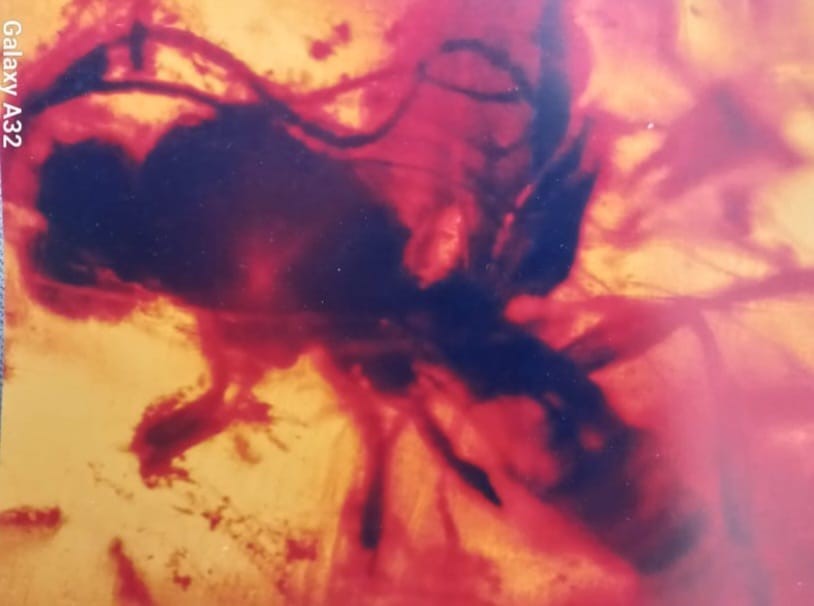
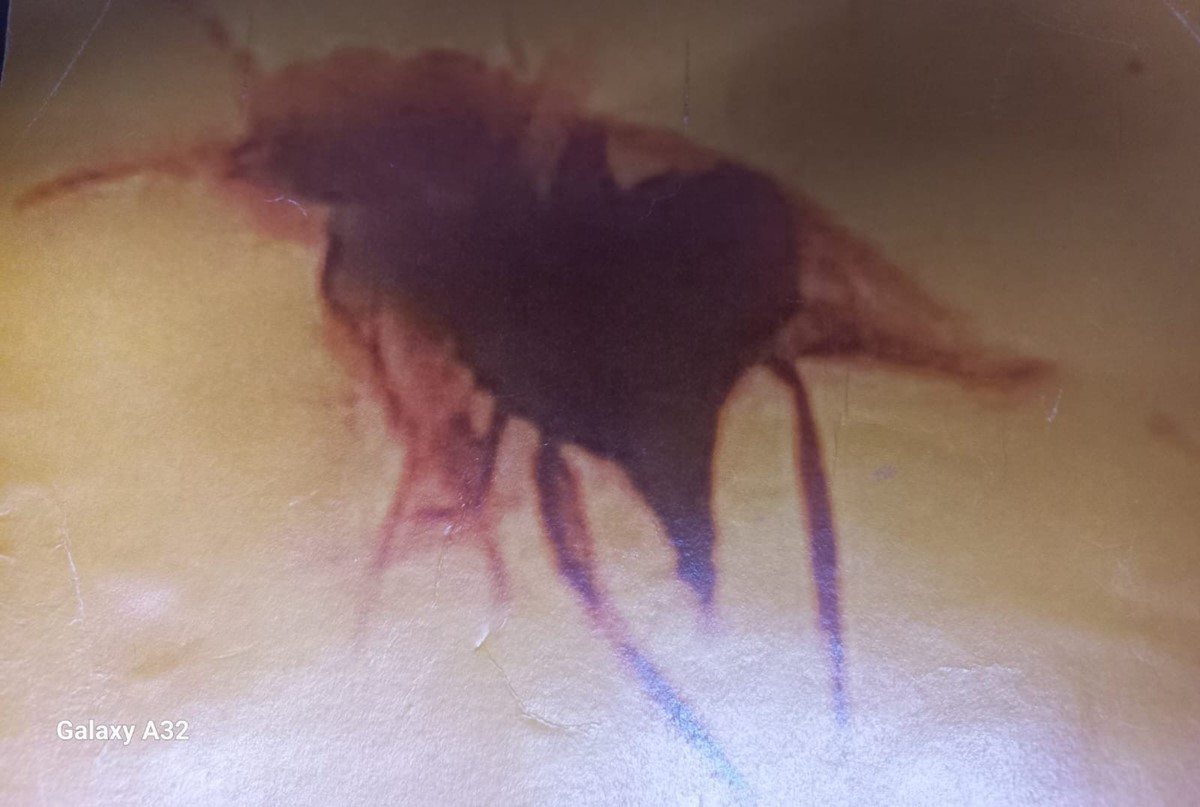
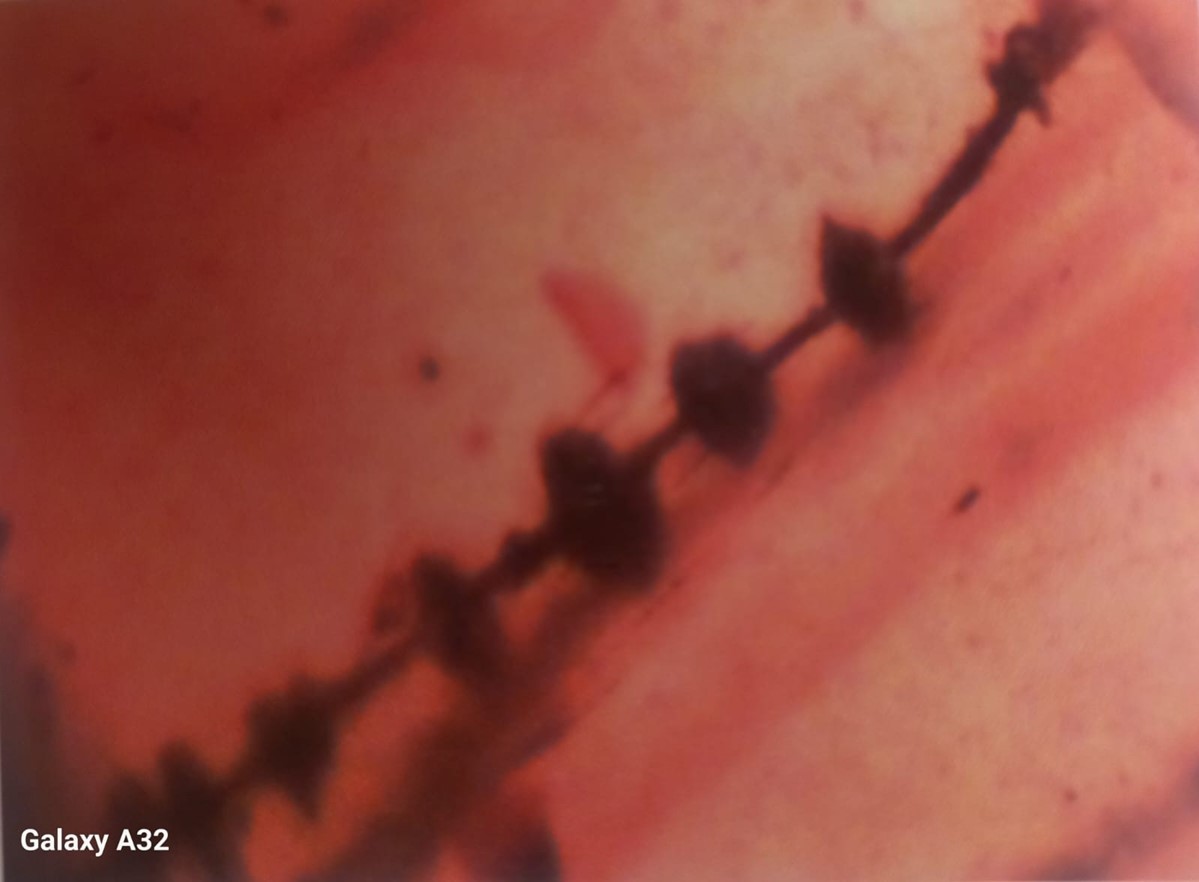
The collected specimens include numerous insects representing different ecological groups, along with plant remains, biological structures, and exceptionally preserved microfossils. Some amber pieces contain multiple organisms within a single sample, preserving snapshots of interactions that occurred millions of years ago.
The diversity observed in Jordanian amber suggests that the region once supported rich ecosystems with forests, water sources, and complex environmental conditions suitable for a broad range of life forms. Certain fossil insects display anatomical features that may contribute to understanding evolutionary pathways during the Early Cretaceous period.
The significance of Jordanian amber extends beyond taxonomy alone. It offers valuable information regarding paleoclimate, environmental change, plant-insect relationships, and ecosystem evolution. Each newly examined specimen has the potential to reveal additional scientific information and may represent species that have never been formally described.
The study of Jordanian amber continues to provide evidence that the region preserves an important geological and biological record with international scientific value. Continued documentation and research may contribute substantially to understanding ancient biodiversity and life evolution.
The pictures show evidences of ancient biodiversity preserved in Jordainian Amber.
The collected specimens include numerous insects representing different ecological groups, along with plant remains, biological structures, and exceptionally preserved microfossils. Some amber pieces contain multiple organisms within a single sample, preserving snapshots of interactions that occurred millions of years ago.
The diversity observed in Jordanian amber suggests that the region once supported rich ecosystems with forests, water sources, and complex environmental conditions suitable for a broad range of life forms. Certain fossil insects display anatomical features that may contribute to understanding evolutionary pathways during the Early Cretaceous period.
The significance of Jordanian amber extends beyond taxonomy alone. It offers valuable information regarding paleoclimate, environmental change, plant-insect relationships, and ecosystem evolution. Each newly examined specimen has the potential to reveal additional scientific information and may represent species that have never been formally described.
The study of Jordanian amber continues to provide evidence that the region preserves an important geological and biological record with international scientific value. Continued documentation and research may contribute substantially to understanding ancient biodiversity and life evolution.
The pictures show evidences of ancient biodiversity preserved in Jordainian Amber.
NEWS RELATED TO
An Extinct Wasp Preserved in Jordanian Amber
May 09,2026 | Around Jordan