

A 140-million-year-old flower was discovered in Jordanian amber, resembling some modern flowers


The flower preserved in Jordanian amber that is discovered by Dr. Abbas Haddadin, shows a delicate floral structure dating back to approximately 140 million years, making it one of the earliest known examples of ancient angiosperms. The specimen displays a distinct calyx, radially arranged petals, and a central floral axis, features that can still be observed in some modern flowering plants.اضافة اعلان
When compared to modern flowers of the Convolvulaceae family, several similarities appear, including:
• A funnel-shaped or slightly tubular arrangement of the petals.
• Radial symmetry.
• The arrangement of floral parts around a central axis.
However, the fossil flower retains several primitive characteristics that differ from modern species, such as:
• Thicker petal walls
• Simpler reproductive structures
• Lack of full petal fusion commonly seen in many modern Convolvulaceae members.
This fossil represents an important evolutionary link, shedding light on the development of early angiosperms in the Early Cretaceous period of Jordan and revealing potential ancestral traits shared with certain modern plant families.
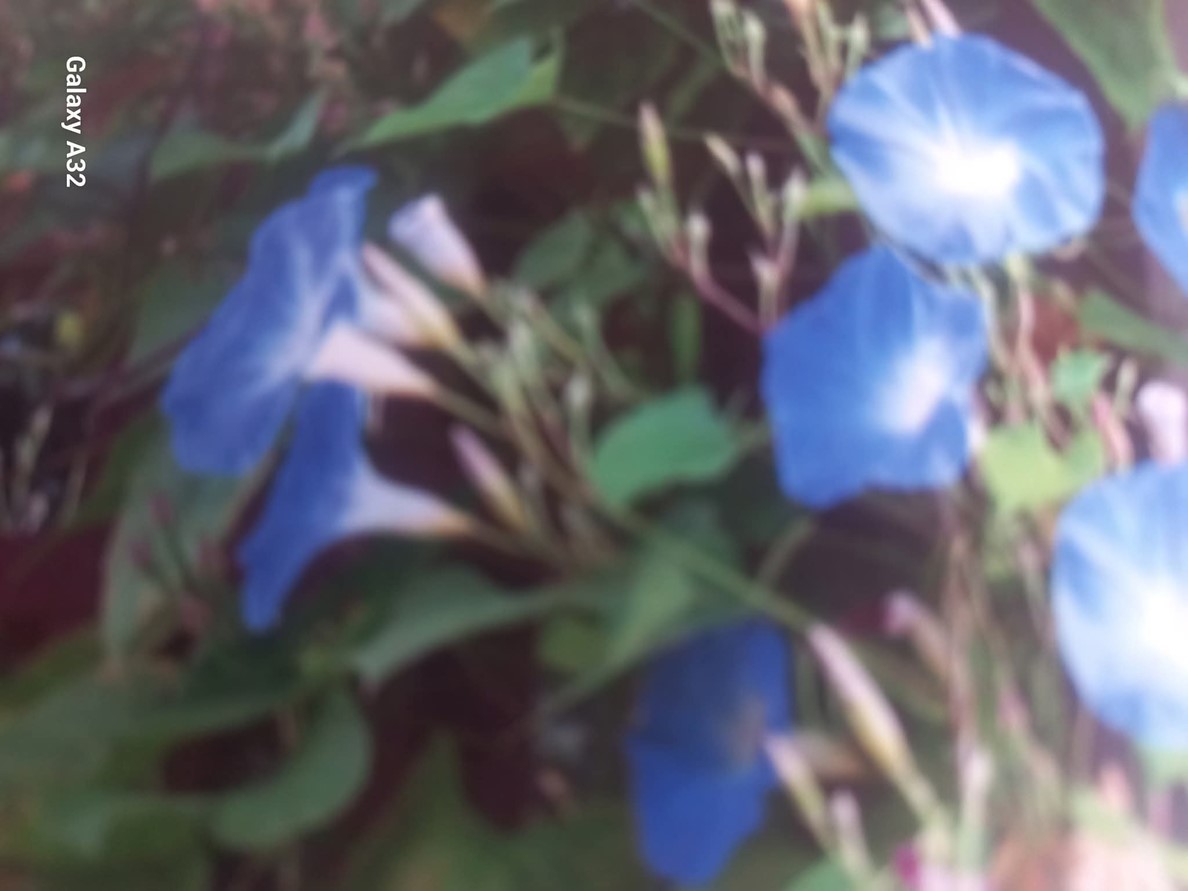
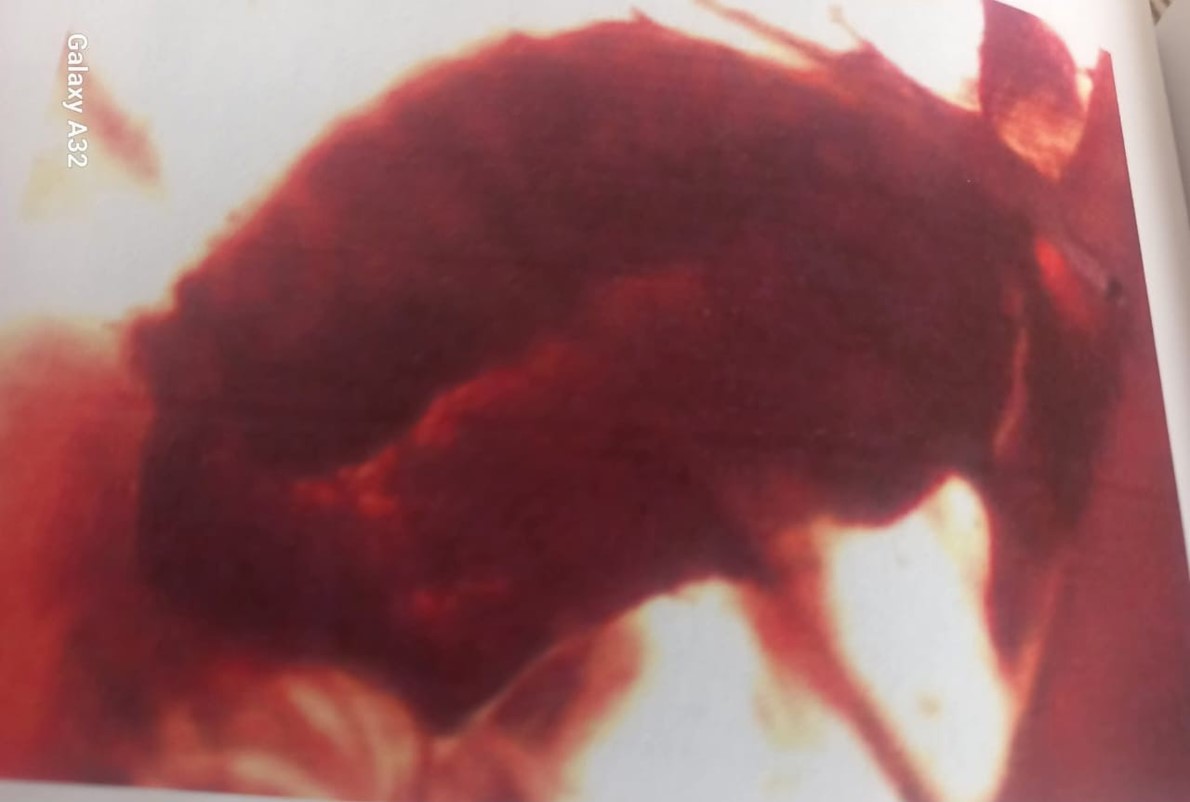
The first picture shows the flower in Jordanian Amber, and the second one shows modern Convolvulaceae flower.
When compared to modern flowers of the Convolvulaceae family, several similarities appear, including:
• A funnel-shaped or slightly tubular arrangement of the petals.
• Radial symmetry.
• The arrangement of floral parts around a central axis.
However, the fossil flower retains several primitive characteristics that differ from modern species, such as:
• Thicker petal walls
• Simpler reproductive structures
• Lack of full petal fusion commonly seen in many modern Convolvulaceae members.
This fossil represents an important evolutionary link, shedding light on the development of early angiosperms in the Early Cretaceous period of Jordan and revealing potential ancestral traits shared with certain modern plant families.
The first picture shows the flower in Jordanian Amber, and the second one shows modern Convolvulaceae flower.
NEWS RELATED TO