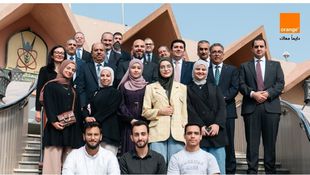
Dialogue Seminar at Applied Sciences University Discusses Prospects for Political Modernization in Light of the Royal Throne Speech

The Applied Science Private University, in cooperation with Elaf Center for Studies and Research, organized a dialogue seminar titled “The House of Representatives: Prospects for Political Modernization in Light of the Royal Throne Speech,” with the participation of several members of the House of Representatives and broad attendance from academics and students.
The seminar was patronized, on behalf of the Speaker of the House of Representatives, by Chairman of the Parliamentary Economy and Investment Committee MP Khaled Abu Hassan, in the presence of Assistant Speaker MP Mayson Al-Qawab’eh and Chairman of the Youth and Sports Committee MP Mohammad Al-Maharmeh. The discussion was moderated by former minister Dr. Muhannad Al-Mubaideen.
MP Khaled Abu Hassan affirmed that the process of modernizing the political system has begun to yield tangible results, noting the arrival of a number of young MPs and 27 women to the House of Representatives, reflecting the state’s direction toward expanding political participation. He pointed to ongoing efforts to strengthen program-based parliamentary bloc work under the dome, contributing to improved parliamentary performance. He also emphasized the Royal Throne Speech of His Majesty King Abdullah II, which underscored the continuation of political modernization and advancing comprehensive reform, stressing the clarity of the Jordanian Constitution in separating powers while maintaining a complementary relationship between the legislative and executive branches in service of the national interest.
For her part, MP Mayson Al-Qawab’eh stressed that the House of Representatives plays a pivotal role in translating the Royal directives into effective legislation and oversight that reflect citizens’ aspirations and meet the requirements of the current phase. She noted that the Throne Speech emphasized elevating the performance of the legislative authority and strengthening a program-based party approach, thereby contributing to building trust between citizens and their constitutional institutions.
MP Mohammad Al-Maharmeh explained that direct dialogue with university students provides an important space that brings together parliamentary experience and the intellectual energy of youth, embodying the essence of political modernization based on intergenerational dialogue. He underscored the importance of enhancing youth participation in political and public life within Jordan’s comprehensive modernization vision across political, economic, and administrative tracks, placing citizens at the heart and as the main driver of the modernization process.
In his address, Chairman of the Board of Trustees of the Applied Science Private University, Dr. Haitham Abdullah Abu Khdeijah, affirmed that the Royal Throne Speech constituted a clear roadmap for comprehensive reform, consolidated the pillars of the state, and opened broad horizons for political modernization grounded in participation, the rule of law, and the strengthening of parliamentary life. He highlighted the pivotal role of the House of Representatives as a cornerstone of the national system, entrusted with popular representation and the responsibilities of legislation and oversight, stressing that political modernization is a deeply rooted national path based on deepening awareness and fostering a culture of dialogue and responsibility.
Former minister Dr. Muhannad Al-Mubaideen noted that the seminar comes within the framework of enhancing national dialogue on the path of political modernization and deepening informed understanding of the contents of the Royal Throne Speech. He pointed out that universities constitute a vital environment for producing political awareness and for transforming modernization from texts and legislation into genuine practice that contributes to continued nation-building.
The seminar featured an expanded dialogue between university students and participating MPs, addressing legislative and oversight mechanisms and prospects for youth empowerment in party work and political life, in an interactive atmosphere reflecting the university’s commitment to promoting political culture and entrenching the values of participation and national responsibility.
The seminar was patronized, on behalf of the Speaker of the House of Representatives, by Chairman of the Parliamentary Economy and Investment Committee MP Khaled Abu Hassan, in the presence of Assistant Speaker MP Mayson Al-Qawab’eh and Chairman of the Youth and Sports Committee MP Mohammad Al-Maharmeh. The discussion was moderated by former minister Dr. Muhannad Al-Mubaideen.
MP Khaled Abu Hassan affirmed that the process of modernizing the political system has begun to yield tangible results, noting the arrival of a number of young MPs and 27 women to the House of Representatives, reflecting the state’s direction toward expanding political participation. He pointed to ongoing efforts to strengthen program-based parliamentary bloc work under the dome, contributing to improved parliamentary performance. He also emphasized the Royal Throne Speech of His Majesty King Abdullah II, which underscored the continuation of political modernization and advancing comprehensive reform, stressing the clarity of the Jordanian Constitution in separating powers while maintaining a complementary relationship between the legislative and executive branches in service of the national interest.
For her part, MP Mayson Al-Qawab’eh stressed that the House of Representatives plays a pivotal role in translating the Royal directives into effective legislation and oversight that reflect citizens’ aspirations and meet the requirements of the current phase. She noted that the Throne Speech emphasized elevating the performance of the legislative authority and strengthening a program-based party approach, thereby contributing to building trust between citizens and their constitutional institutions.
MP Mohammad Al-Maharmeh explained that direct dialogue with university students provides an important space that brings together parliamentary experience and the intellectual energy of youth, embodying the essence of political modernization based on intergenerational dialogue. He underscored the importance of enhancing youth participation in political and public life within Jordan’s comprehensive modernization vision across political, economic, and administrative tracks, placing citizens at the heart and as the main driver of the modernization process.
In his address, Chairman of the Board of Trustees of the Applied Science Private University, Dr. Haitham Abdullah Abu Khdeijah, affirmed that the Royal Throne Speech constituted a clear roadmap for comprehensive reform, consolidated the pillars of the state, and opened broad horizons for political modernization grounded in participation, the rule of law, and the strengthening of parliamentary life. He highlighted the pivotal role of the House of Representatives as a cornerstone of the national system, entrusted with popular representation and the responsibilities of legislation and oversight, stressing that political modernization is a deeply rooted national path based on deepening awareness and fostering a culture of dialogue and responsibility.
Former minister Dr. Muhannad Al-Mubaideen noted that the seminar comes within the framework of enhancing national dialogue on the path of political modernization and deepening informed understanding of the contents of the Royal Throne Speech. He pointed out that universities constitute a vital environment for producing political awareness and for transforming modernization from texts and legislation into genuine practice that contributes to continued nation-building.
The seminar featured an expanded dialogue between university students and participating MPs, addressing legislative and oversight mechanisms and prospects for youth empowerment in party work and political life, in an interactive atmosphere reflecting the university’s commitment to promoting political culture and entrenching the values of participation and national responsibility.
NEWS RELATED TO