

“Bayt Al-Mahbash” in Jordan: A Traditional Craft Revived Through Local Industry in Ajloun


“Bayt Al-Mahbash” in Ajloun stands as a model of national heritage craftsmanship that blends meticulous skill with deep cultural roots, offering locally made Jordanian products that reflect the country’s cultural identity and revive ancestral traditions through finely crafted wooden pieces.اضافة اعلان
Director of Ajloun Culture Directorate, Samer Freihat, stated that the governorate provides a fertile environment for the flourishing of heritage industries linked to the region’s history and national identity. He noted that supporting artisans and empowering small projects contribute to preserving and showcasing Jordan’s heritage.
He added that heritage-based industries serve as an important cultural and tourism resource, strengthening the presence of local identity in events and exhibitions while providing sustainable opportunities for traditional craftsmen. He emphasized the ministry’s strong interest in developing these projects and expanding their engagement within local communities.
Freihat pointed out that “Bayt Al-Mahbash” is a successful example of a project that has managed to preserve the authenticity of its products while presenting them in ways that meet modern needs—an approach that has attracted heritage enthusiasts and highlighted the beauty of handmade crafts.
For his part, the owner of the project, Samer Freihat, said that the initiative, launched in Ajloun, embodies the spirit of authentic Jordanian craftsmanship rooted in national heritage. He explained that heritage and folkloric tools are made using local woods, along with pieces inspired by Jordanian memory, serving as symbols of national identity and traditional craftsmanship.
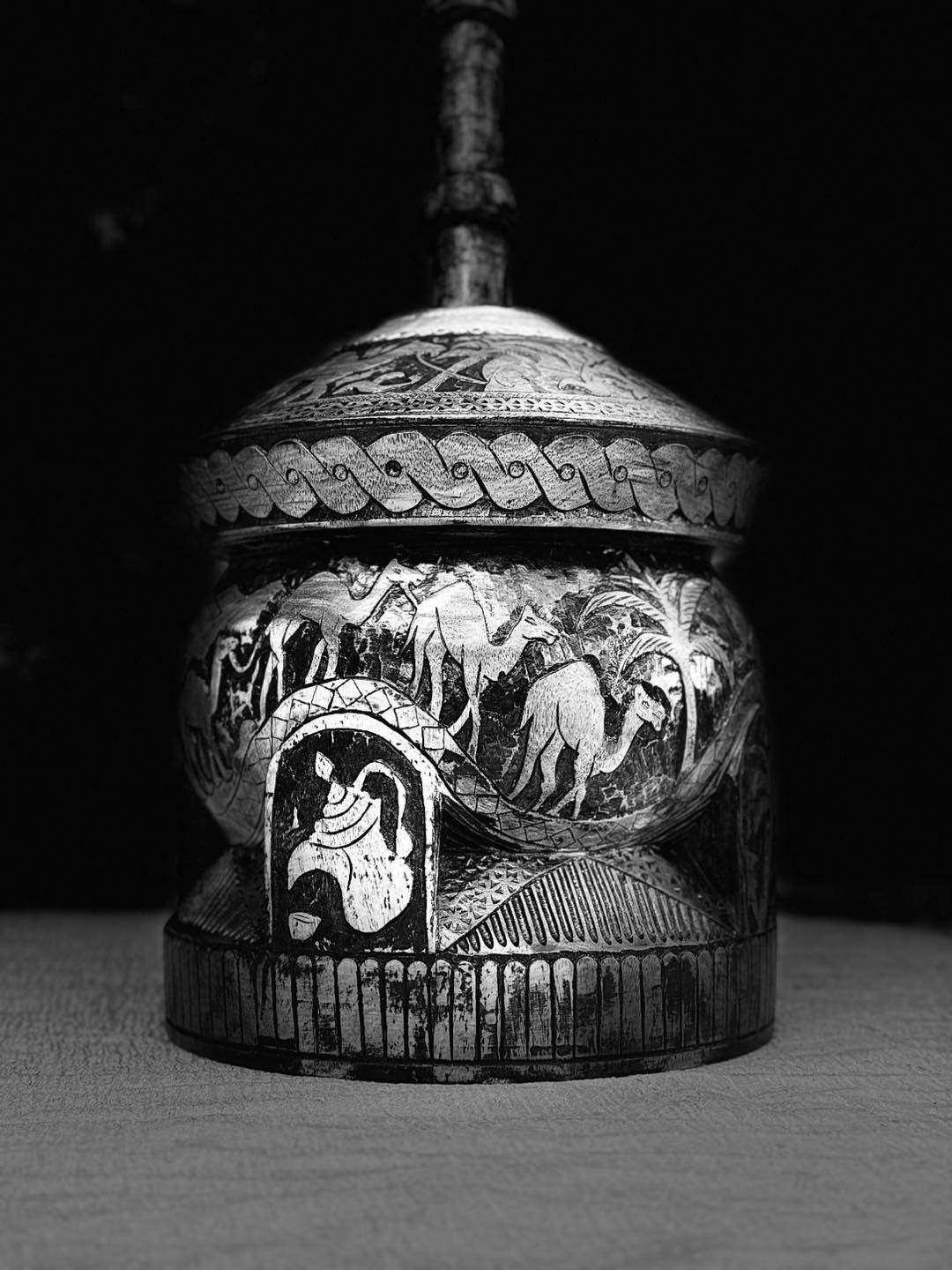
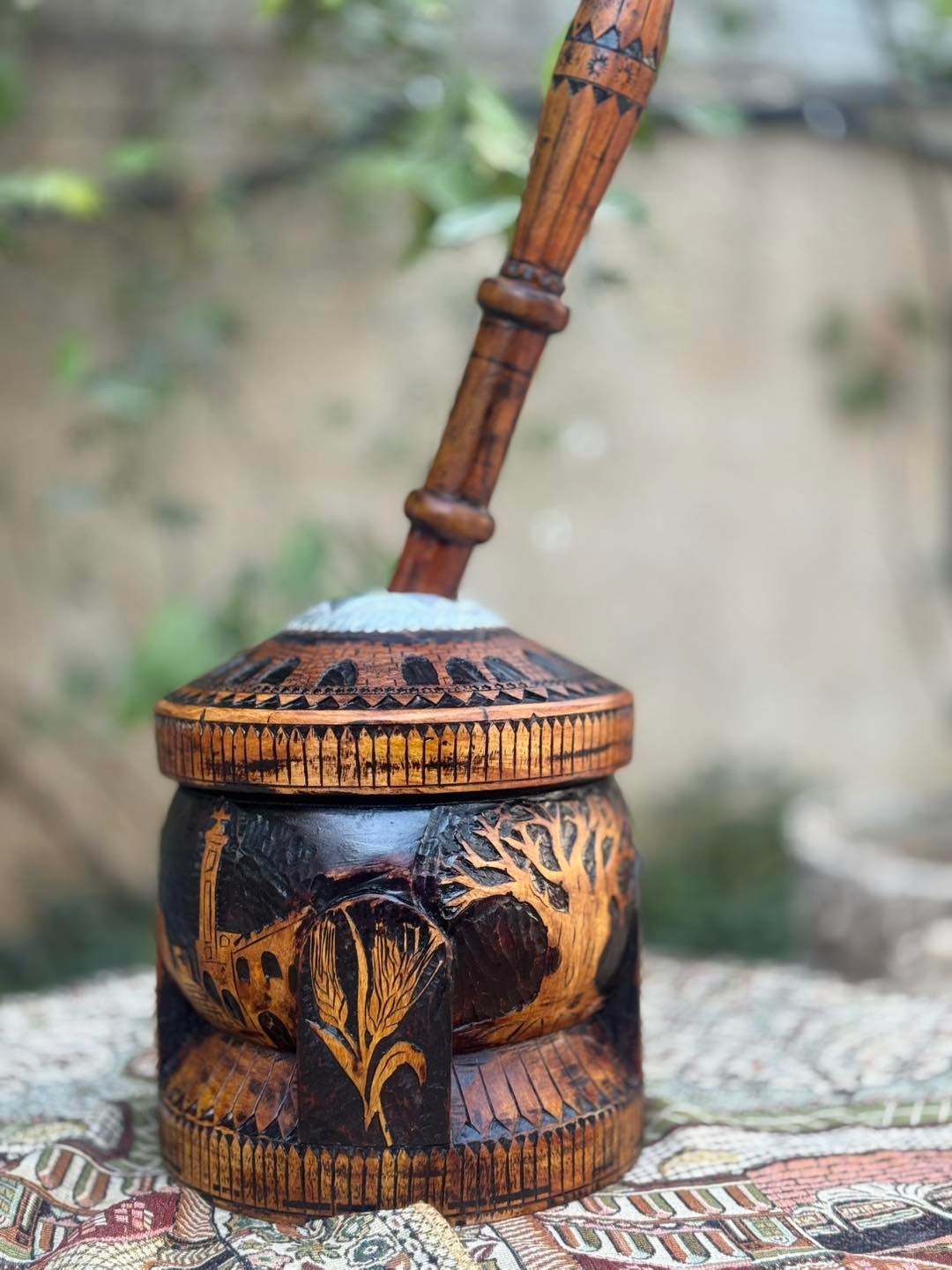
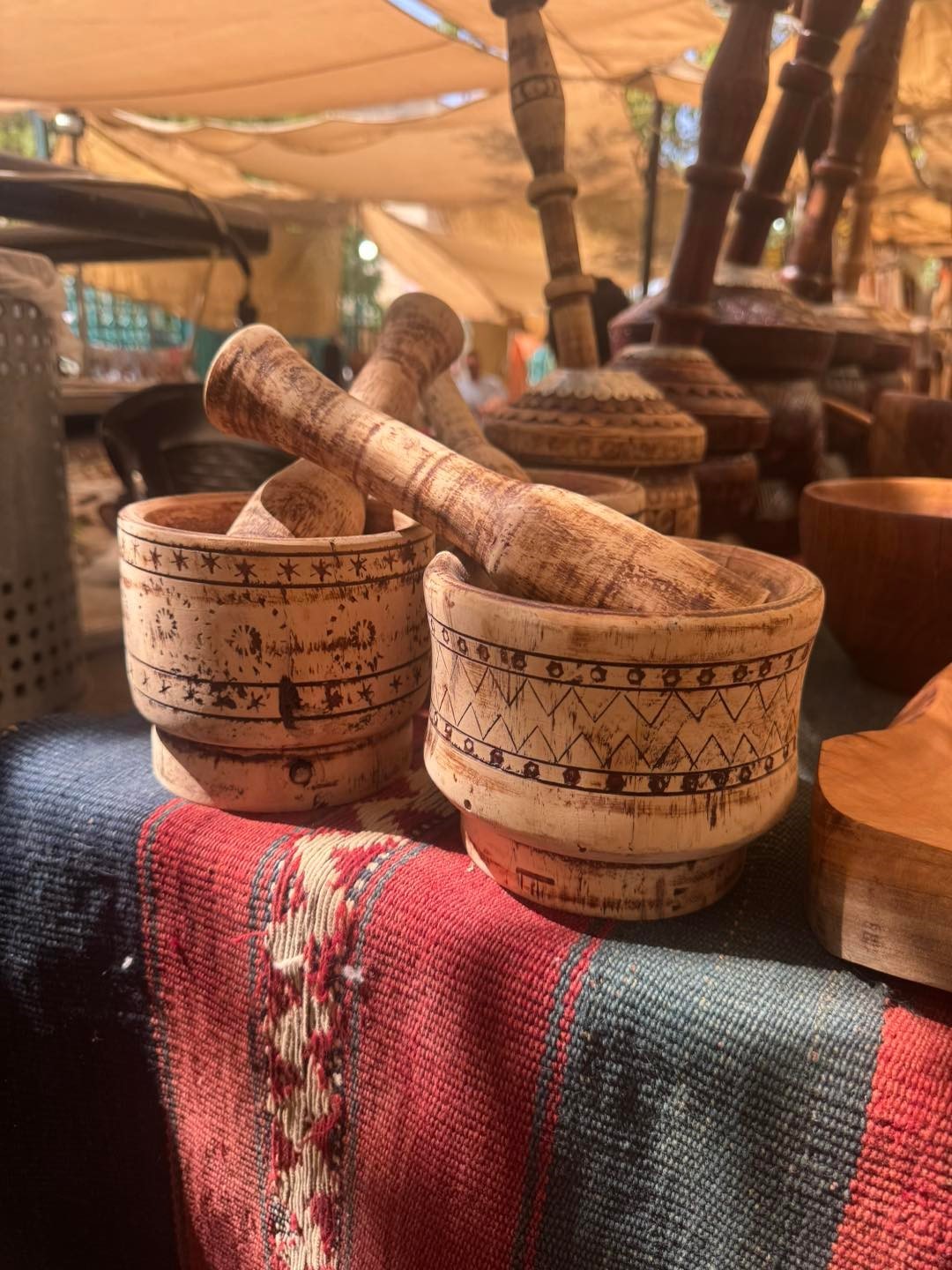
He noted that the project’s products include the traditional Jordanian mahbash—still used by Jordanians to prepare Arabic coffee or displayed as a cultural ornament—alongside the production of the Jordanian walking cane (akkaaz), oil jars, and other traditional wooden items.
He said the project was founded on the essence and pulse of Jordanian heritage, relying entirely on local craftsmanship that reflects the depth of traditional Jordanian trades, with the aim of safeguarding popular heritage and passing it on to future generations.
Petra— " Ali Freihat"
Director of Ajloun Culture Directorate, Samer Freihat, stated that the governorate provides a fertile environment for the flourishing of heritage industries linked to the region’s history and national identity. He noted that supporting artisans and empowering small projects contribute to preserving and showcasing Jordan’s heritage.
He added that heritage-based industries serve as an important cultural and tourism resource, strengthening the presence of local identity in events and exhibitions while providing sustainable opportunities for traditional craftsmen. He emphasized the ministry’s strong interest in developing these projects and expanding their engagement within local communities.
Freihat pointed out that “Bayt Al-Mahbash” is a successful example of a project that has managed to preserve the authenticity of its products while presenting them in ways that meet modern needs—an approach that has attracted heritage enthusiasts and highlighted the beauty of handmade crafts.
For his part, the owner of the project, Samer Freihat, said that the initiative, launched in Ajloun, embodies the spirit of authentic Jordanian craftsmanship rooted in national heritage. He explained that heritage and folkloric tools are made using local woods, along with pieces inspired by Jordanian memory, serving as symbols of national identity and traditional craftsmanship.
He noted that the project’s products include the traditional Jordanian mahbash—still used by Jordanians to prepare Arabic coffee or displayed as a cultural ornament—alongside the production of the Jordanian walking cane (akkaaz), oil jars, and other traditional wooden items.
He said the project was founded on the essence and pulse of Jordanian heritage, relying entirely on local craftsmanship that reflects the depth of traditional Jordanian trades, with the aim of safeguarding popular heritage and passing it on to future generations.
Petra— " Ali Freihat"
NEWS RELATED TO