

Did Dinosaurs Live in Jordan? Fossil Evidence Reveals a Diverse Dinosaur History
Dr . Abbas Haddadin



Jordan is not only a land of ancient civilizations and remarkable geological formations. Its rocks and fossils also preserve evidence of a prehistoric world that existed millions of years ago, including evidence connected to dinosaurs.اضافة اعلان
Fossil discoveries in Jordan provide important clues about the country’s ancient ecosystems. Dinosaur remains and other prehistoric fossils demonstrate that Jordan was once part of a very different environment, with landscapes, plants, animals, and climatic conditions unlike those seen today.
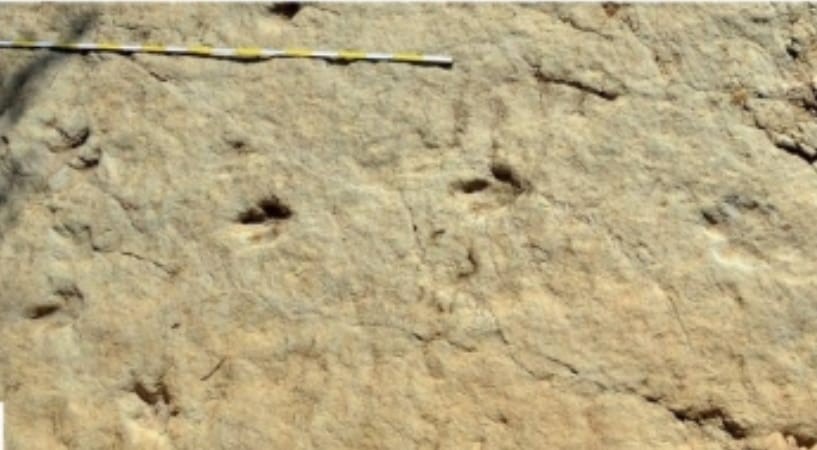
Among the important discoveries are dinosaur fossil remains and footprints, as in the first picture, which provide direct evidence that dinosaurs inhabited the region. These fossils are especially significant because they help scientists reconstruct the ancient ecosystems of the Levant during the Mesozoic Era.
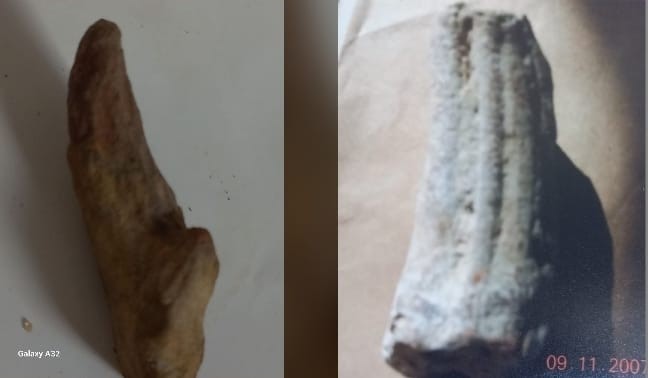
The discovery of a dinosaur tooth in the area, as in the second picture, associated with Jordanian amber is particularly interesting. The amber itself is approximately 140 million years old, dating to the Early Cretaceous. If the tooth and surrounding geological evidence are correctly associated with this age, it provides another piece of evidence for the presence of dinosaurs in Jordan during this period.
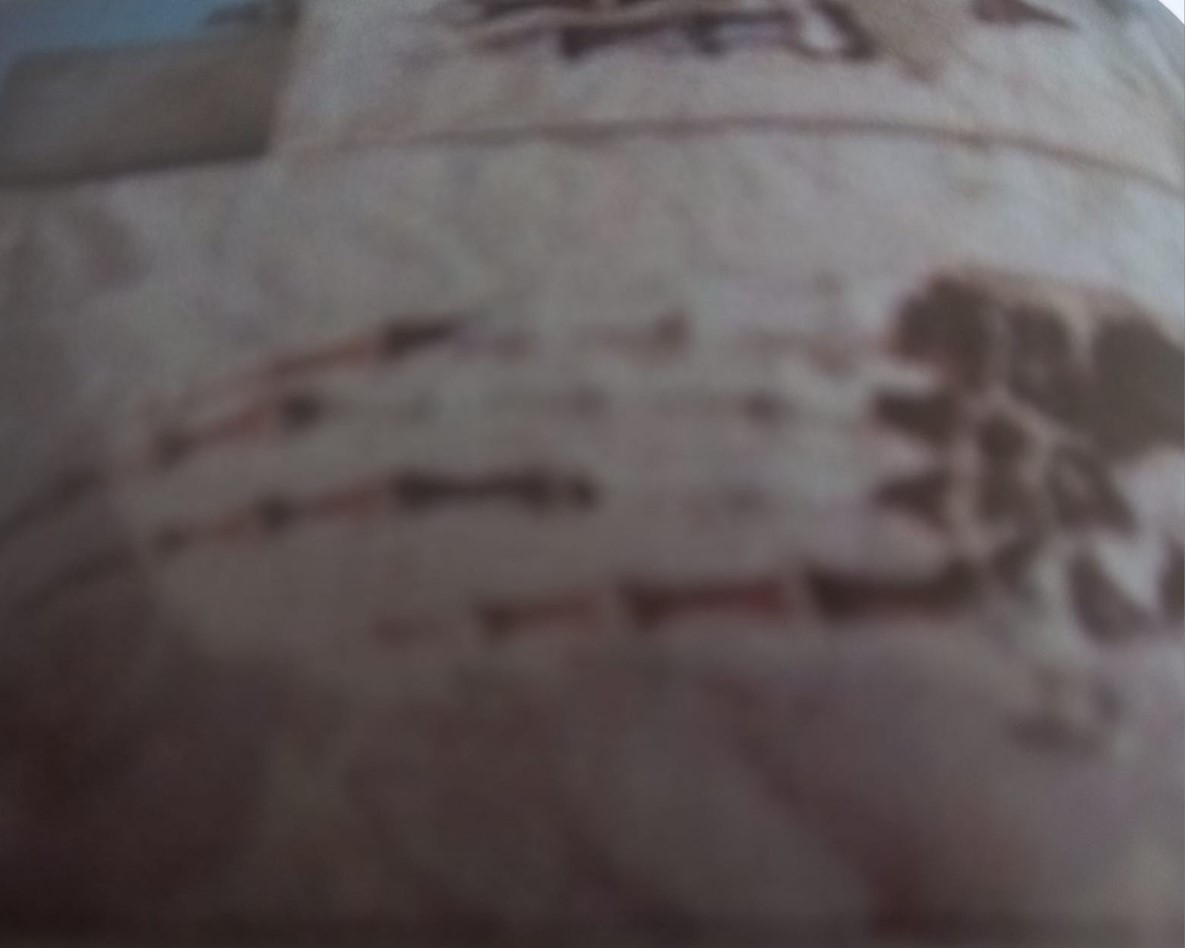
Jordan has also yielded fossils of other remarkable prehistoric animals. Among them are marine reptiles such as mosasaurs, demonstrating that parts of the region were covered by or connected to ancient marine environments, as in the third picture, at different times in geological history.
These discoveries show that Jordan’s prehistoric history was much more diverse than might be expected. Dinosaurs were not isolated from the broader ecosystem; they lived among plants, insects, reptiles, and other organisms that occupied the ancient landscapes of the region.
Jordanian amber adds another dimension to this story. It can preserve delicate organisms and plant remains in extraordinary detail, providing a biological window into the Early Cretaceous ecosystem.
The insects and plants preserved in the amber help us understand the environment in which dinosaurs and other animals lived.
The fossil record therefore allows us to look beyond individual dinosaur remains and reconstruct an entire ancient ecosystem. Every footprint, tooth, bone, plant fossil, insect, or piece of amber contributes another part of the story.
The evidence from Jordan indicates that dinosaurs were indeed part of the prehistoric fauna of the region. Continued geological and paleontological research may reveal additional fossils and provide an even clearer picture of Jordan during the age of dinosaurs.
Jordan’s geological heritage is therefore not only important for understanding the history of the Earth, but also for showing that this country was once home to a rich and diverse prehistoric world.
Fossil discoveries in Jordan provide important clues about the country’s ancient ecosystems. Dinosaur remains and other prehistoric fossils demonstrate that Jordan was once part of a very different environment, with landscapes, plants, animals, and climatic conditions unlike those seen today.
Among the important discoveries are dinosaur fossil remains and footprints, as in the first picture, which provide direct evidence that dinosaurs inhabited the region. These fossils are especially significant because they help scientists reconstruct the ancient ecosystems of the Levant during the Mesozoic Era.
The discovery of a dinosaur tooth in the area, as in the second picture, associated with Jordanian amber is particularly interesting. The amber itself is approximately 140 million years old, dating to the Early Cretaceous. If the tooth and surrounding geological evidence are correctly associated with this age, it provides another piece of evidence for the presence of dinosaurs in Jordan during this period.
Jordan has also yielded fossils of other remarkable prehistoric animals. Among them are marine reptiles such as mosasaurs, demonstrating that parts of the region were covered by or connected to ancient marine environments, as in the third picture, at different times in geological history.
These discoveries show that Jordan’s prehistoric history was much more diverse than might be expected. Dinosaurs were not isolated from the broader ecosystem; they lived among plants, insects, reptiles, and other organisms that occupied the ancient landscapes of the region.
Jordanian amber adds another dimension to this story. It can preserve delicate organisms and plant remains in extraordinary detail, providing a biological window into the Early Cretaceous ecosystem.
The insects and plants preserved in the amber help us understand the environment in which dinosaurs and other animals lived.
The fossil record therefore allows us to look beyond individual dinosaur remains and reconstruct an entire ancient ecosystem. Every footprint, tooth, bone, plant fossil, insect, or piece of amber contributes another part of the story.
The evidence from Jordan indicates that dinosaurs were indeed part of the prehistoric fauna of the region. Continued geological and paleontological research may reveal additional fossils and provide an even clearer picture of Jordan during the age of dinosaurs.
Jordan’s geological heritage is therefore not only important for understanding the history of the Earth, but also for showing that this country was once home to a rich and diverse prehistoric world.
NEWS RELATED TO