


Planning the Perfect Riyadh and Jeddah Dual-City Itinerary in Saudi Arabia

- +
- -


The vast landscapes of Saudi Arabia were mostly concealed from the average traveler for a long time. The Kingdom's doors are wide open today, inviting the world to see a remarkable cultural revival. You need to see both sides of this rapidly transforming country to really appreciate its heart and soul: the capital's unending, sky-high ambition and the coast's laid-back, traditional beauty.اضافة اعلان
Welcome to the best dual-city itinerary for getting around Saudi Arabia's two major cities: Riyadh and Jeddah.
Part 1: Riyadh
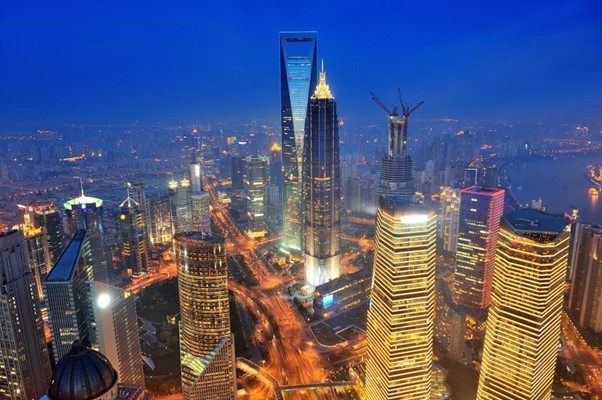
Riyadh is a city with the best things. It is a city that rises from the arid plains of the Najd region, where ancient culture amazingly meets future vision. Give yourself at least three days to take in the capital's lively energy.
Day 1: Sky-High Ambitions and Urban Marvels
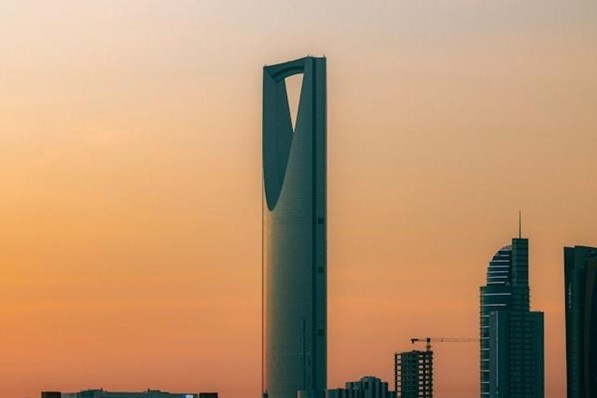
Start your trip by receiving a bird's-eye view of how big the city is. Go to the Kingdom Centre Tower and take the fast elevator to the Sky Bridge. This amazing piece of architecture stands 300 meters above the earth and offers stunning views of the city, especially around dusk when the lights start to sparkle across the desert.
Spend the night in Riyadh's contemporary entertainment centers. Boulevard City and the KAFD (King Abdullah Financial District) have amazing restaurants, exciting light shows, and a look at how young, sophisticated Saudis live.
Day 2: Tracing the Roots of a Nation
You can't really get a sense of modern Saudi Arabia without going to its birthplace. On the second day, go to Diriyah, which is on the northwestern edge of the city. At-Turaif, a UNESCO World Heritage site, was the ancient home of the Saudi royal family. Its mud-brick palaces have been magnificently restored.
Then, go to the King Abdulaziz Historical Centre and check out the National Museum of Saudi Arabia. Its cutting-edge displays expertly take you through the history of the peninsula, from prehistoric beginnings to the union of the contemporary Kingdom.
Day 3: Standing on the Edge of the World
Leave the city and go into the wide-open desert. Jebel Fihrayn, often known as the Edge of the World, is a 90-minute journey from the city. These cliffs are part of the huge Tuwaiq Escarpment and tumble hundreds of meters into an old ocean bottom. It is a really humbling and unforgettable experience to stand on the edge and look out over the limitless horizon.
The Transition To Jeddah
A big part of the Saudi experience is trading the dry air of the Najd for the saline wind of the Red Sea. You might drive or take a train, but flying is by far the best option to make the most of your holiday time. There are dozens of flights from Riyadh to Jeddah every day, so it's easy to get from the city to the seaside. There are frequent flights that take less than two hours. Leave in the morning so you may get to Jeddah in time to enjoy the sea breeze in the afternoon.
Part 2: Jeddah
Jeddah is the calm, creative heart of Saudi Arabia, whereas Riyadh is the ambitious intellect. Jeddah has seen a lot of different cultures come and go over the years. It was once the gateway for millions of pilgrims going to Mecca. The mood here is much more relaxed, the art scene is blossoming, and the food is very much connected to the sea.
Day 4: Wandering Through Al Balad
Al Balad, the city's historic downtown and a UNESCO World Heritage site, is a great place to start your Jeddah trip. Al Balad is unlike anything else in the Gulf since it has a maze of narrow alleys surrounded by coral stone homes that are hundreds of years old. Look out for the elaborate roshan, which are wooden bay windows that are elegantly carved to let in the sea breeze while keeping their privacy.
Spend some time getting lost in the spice stores of Souq Al Alawi, drink mint tea at a typical street-side café, and visit the magnificently renovated Matbouli House Museum.
Day 5: The Corniche and the Coast
The water is a big part of what makes Jeddah what it is. Spend your fifth day walking along the Jeddah Corniche, a stunning 30-kilometer stretch of land near the Red Sea. You can rent a bike or just walk along the waterfront.
You should definitely go see the Al Rahma Mosque, which is built on pillars over the water and looks like it's floating when the tide is high. When the sun goes down, find a place by the ocean to watch King Fahd's Fountain come to life. It shoots seawater up to 312 meters (1,000 feet) into the sky.
Day 6: Submerging into the Red Sea
You can't go to Jeddah without seeing the colorful marine life that lives just off its shores. The Red Sea has some of the best scuba diving and snorkeling in the world, with clear water and few people. You can rent a boat or go on a guided tour to places like the Boiler Wreck or Sharm Obhur. The pristine seas are full of colorful coral reefs, sea turtles, and schools of fish that change color, making for a peaceful end to your trip to Saudi Arabia.
Practical Tips for Your Saudi Adventure
Best Time to Visit: Between November and March is the best time for this trip. The weather is refreshingly cool, so trips to the desert and walks along the coast are really nice.
Getting Around: In both cities, ride-hailing applications like Uber and Careem are quite safe, reliable, and cheap.
Cultural Etiquette: Tourists can wear whatever they like, but modesty is still important. Women don't have to wear an abaya anymore, but both men and women should cover their knees and shoulders while they are in public.
Conclusion
Seeing both Riyadh and Jeddah gives you a full, uncensored view of how Saudi Arabia has changed so much. Riyadh pushes the limits of the future with its tall buildings and big initiatives, while Jeddah keeps the Kingdom grounded with its rich historical roots, creative spirit, and the relaxing sound of the Red Sea. These two huge cities make for a remarkable trip through a country that is firmly forward to the future while never forgetting its past.
Welcome to the best dual-city itinerary for getting around Saudi Arabia's two major cities: Riyadh and Jeddah.
Part 1: Riyadh
Riyadh is a city with the best things. It is a city that rises from the arid plains of the Najd region, where ancient culture amazingly meets future vision. Give yourself at least three days to take in the capital's lively energy.
Day 1: Sky-High Ambitions and Urban Marvels
Start your trip by receiving a bird's-eye view of how big the city is. Go to the Kingdom Centre Tower and take the fast elevator to the Sky Bridge. This amazing piece of architecture stands 300 meters above the earth and offers stunning views of the city, especially around dusk when the lights start to sparkle across the desert.
Spend the night in Riyadh's contemporary entertainment centers. Boulevard City and the KAFD (King Abdullah Financial District) have amazing restaurants, exciting light shows, and a look at how young, sophisticated Saudis live.
Day 2: Tracing the Roots of a Nation
You can't really get a sense of modern Saudi Arabia without going to its birthplace. On the second day, go to Diriyah, which is on the northwestern edge of the city. At-Turaif, a UNESCO World Heritage site, was the ancient home of the Saudi royal family. Its mud-brick palaces have been magnificently restored.
Then, go to the King Abdulaziz Historical Centre and check out the National Museum of Saudi Arabia. Its cutting-edge displays expertly take you through the history of the peninsula, from prehistoric beginnings to the union of the contemporary Kingdom.
Day 3: Standing on the Edge of the World
Leave the city and go into the wide-open desert. Jebel Fihrayn, often known as the Edge of the World, is a 90-minute journey from the city. These cliffs are part of the huge Tuwaiq Escarpment and tumble hundreds of meters into an old ocean bottom. It is a really humbling and unforgettable experience to stand on the edge and look out over the limitless horizon.
The Transition To Jeddah
A big part of the Saudi experience is trading the dry air of the Najd for the saline wind of the Red Sea. You might drive or take a train, but flying is by far the best option to make the most of your holiday time. There are dozens of flights from Riyadh to Jeddah every day, so it's easy to get from the city to the seaside. There are frequent flights that take less than two hours. Leave in the morning so you may get to Jeddah in time to enjoy the sea breeze in the afternoon.
Part 2: Jeddah
Jeddah is the calm, creative heart of Saudi Arabia, whereas Riyadh is the ambitious intellect. Jeddah has seen a lot of different cultures come and go over the years. It was once the gateway for millions of pilgrims going to Mecca. The mood here is much more relaxed, the art scene is blossoming, and the food is very much connected to the sea.
Day 4: Wandering Through Al Balad
Al Balad, the city's historic downtown and a UNESCO World Heritage site, is a great place to start your Jeddah trip. Al Balad is unlike anything else in the Gulf since it has a maze of narrow alleys surrounded by coral stone homes that are hundreds of years old. Look out for the elaborate roshan, which are wooden bay windows that are elegantly carved to let in the sea breeze while keeping their privacy.
Spend some time getting lost in the spice stores of Souq Al Alawi, drink mint tea at a typical street-side café, and visit the magnificently renovated Matbouli House Museum.
Day 5: The Corniche and the Coast
The water is a big part of what makes Jeddah what it is. Spend your fifth day walking along the Jeddah Corniche, a stunning 30-kilometer stretch of land near the Red Sea. You can rent a bike or just walk along the waterfront.
You should definitely go see the Al Rahma Mosque, which is built on pillars over the water and looks like it's floating when the tide is high. When the sun goes down, find a place by the ocean to watch King Fahd's Fountain come to life. It shoots seawater up to 312 meters (1,000 feet) into the sky.
Day 6: Submerging into the Red Sea
You can't go to Jeddah without seeing the colorful marine life that lives just off its shores. The Red Sea has some of the best scuba diving and snorkeling in the world, with clear water and few people. You can rent a boat or go on a guided tour to places like the Boiler Wreck or Sharm Obhur. The pristine seas are full of colorful coral reefs, sea turtles, and schools of fish that change color, making for a peaceful end to your trip to Saudi Arabia.
Practical Tips for Your Saudi Adventure
Best Time to Visit: Between November and March is the best time for this trip. The weather is refreshingly cool, so trips to the desert and walks along the coast are really nice.
Getting Around: In both cities, ride-hailing applications like Uber and Careem are quite safe, reliable, and cheap.
Cultural Etiquette: Tourists can wear whatever they like, but modesty is still important. Women don't have to wear an abaya anymore, but both men and women should cover their knees and shoulders while they are in public.
Conclusion
Seeing both Riyadh and Jeddah gives you a full, uncensored view of how Saudi Arabia has changed so much. Riyadh pushes the limits of the future with its tall buildings and big initiatives, while Jeddah keeps the Kingdom grounded with its rich historical roots, creative spirit, and the relaxing sound of the Red Sea. These two huge cities make for a remarkable trip through a country that is firmly forward to the future while never forgetting its past.
NEWS RELATED TO