

Preserved in Jordanian Amber: A 140-Million-Year-Old Botanical Comparison
Dr . Abbas Haddadin



Jordanian amber, estimated to be approximately 140 million years old, provides an exceptional window into the plants and organisms that lived during the Early Cretaceous period.اضافة اعلان
Among the botanical specimens preserved in this amber are two small branches whose morphology shows striking similarities to modern hyssop (Hyssopus officinalis).
The preserved structures display features of branching and leaf arrangement that invite comparison with the living plant.
The presence of these hyssop-like branches in Jordanian amber is particularly significant because the amber preserves plant material in three dimensions, allowing details of ancient vegetation to be examined and compared with modern plants.
A comparison between the fossilized branches and modern hyssop suggests that some morphological characteristics of this plant lineage may have deep evolutionary roots. However, the specimens are described as hyssop-like rather than being identified as the modern species itself, since definitive identification requires detailed microscopic and taxonomic study.
These specimens add to the growing botanical record preserved in Jordanian amber and provide further evidence of the remarkable diversity of Early Cretaceous vegetation in the region.
The discovery demonstrates once again the scientific importance of Jordanian amber as a natural time capsule, preserving delicate biological structures that would normally disappear from the fossil record.
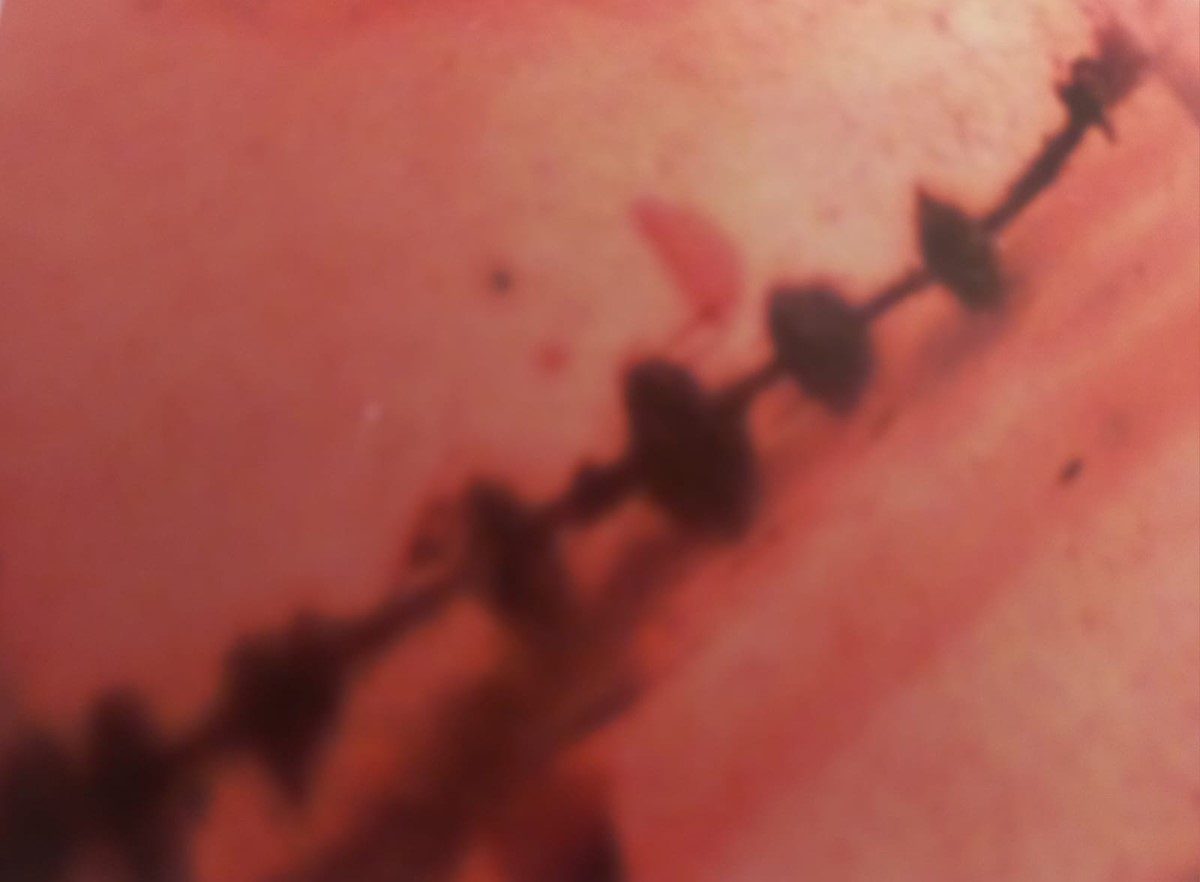
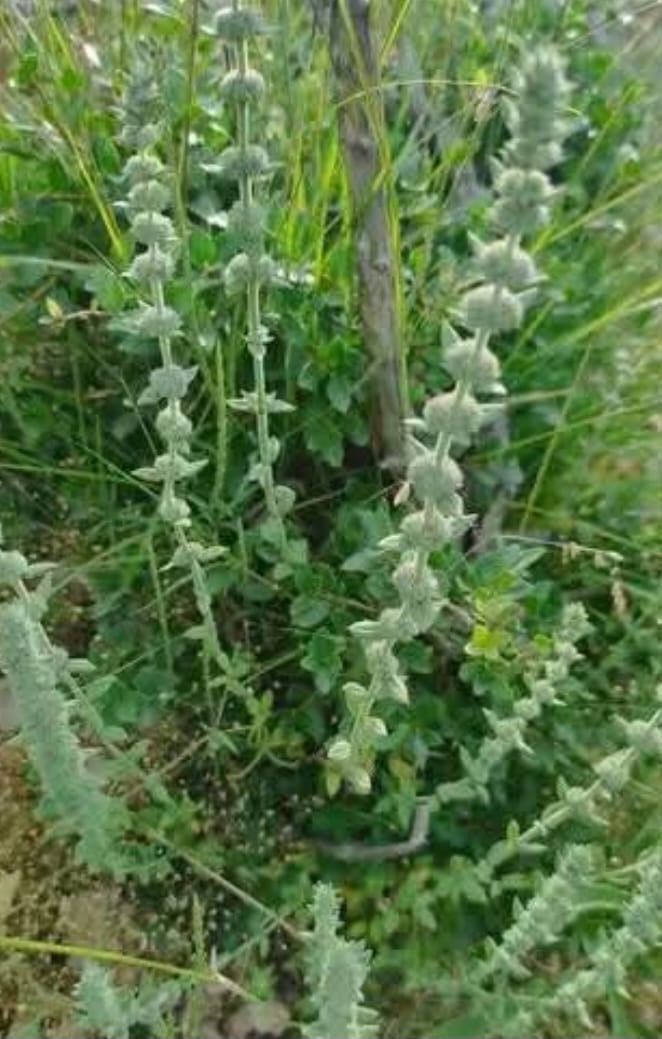
The first picture is 140 million years old hyssopus officinalis which is preserved in amber of Jordan, while the second picture is a new hyssopus that is recently existed.
Among the botanical specimens preserved in this amber are two small branches whose morphology shows striking similarities to modern hyssop (Hyssopus officinalis).
The preserved structures display features of branching and leaf arrangement that invite comparison with the living plant.
The presence of these hyssop-like branches in Jordanian amber is particularly significant because the amber preserves plant material in three dimensions, allowing details of ancient vegetation to be examined and compared with modern plants.
A comparison between the fossilized branches and modern hyssop suggests that some morphological characteristics of this plant lineage may have deep evolutionary roots. However, the specimens are described as hyssop-like rather than being identified as the modern species itself, since definitive identification requires detailed microscopic and taxonomic study.
These specimens add to the growing botanical record preserved in Jordanian amber and provide further evidence of the remarkable diversity of Early Cretaceous vegetation in the region.
The discovery demonstrates once again the scientific importance of Jordanian amber as a natural time capsule, preserving delicate biological structures that would normally disappear from the fossil record.
The first picture is 140 million years old hyssopus officinalis which is preserved in amber of Jordan, while the second picture is a new hyssopus that is recently existed.
NEWS RELATED TO
How Did Royal Jordanian Profit in Times of Crisis?
Aug 18,2026 | Analysis
Fiscal Discipline Shields Jordan’s Economy
Aug 16,2026 | Analysis