

Jordan Reviews Institutional Culture at Youth Ministry


Minister of Youth Raed Al-Adwan and Minister of State for Public Sector Development Badriya Al-Balbeisi met Thursday with the Institutional Culture Assessment Team, comprising representatives from various government departments, at the ministry as part of the second phase of a project to assess institutional culture across the public sector.اضافة اعلان
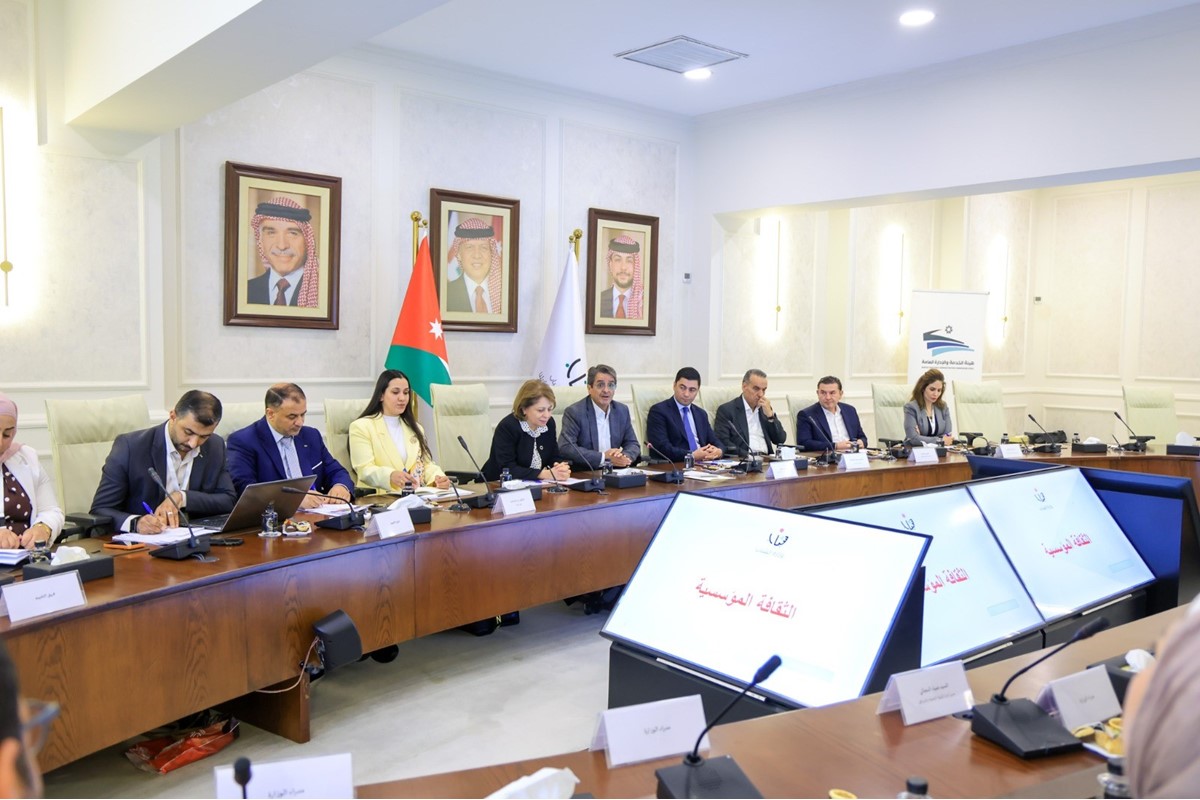
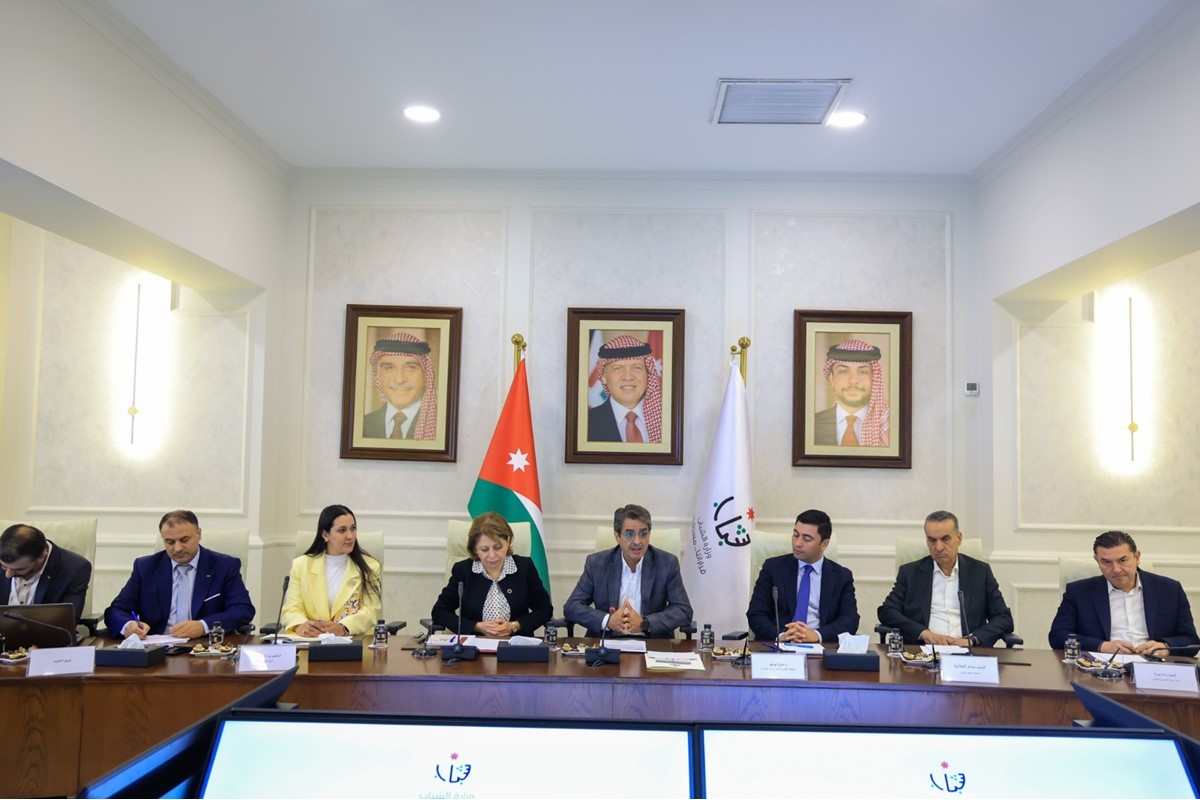
The meeting, attended by Ministry Secretary-General Mazen Abu Baqr and department directors, comes as part of a project implemented by the Public Service and Administration Authority in cooperation with the Public Sector Modernization Program Management and Implementation Unit.
The project aims to assess institutional culture and behavior across 24 government departments, identify gaps between existing practices and the desired institutional culture, and develop improvement measures tailored to the needs of each institution.
Al-Adwan stressed the ministry’s commitment to strengthening institutional culture in line with the objectives of the Public Sector Modernization Roadmap and building a culture based on trust, integration, learning and impact.
He said public sector modernization cannot be completed through developing legislation, structures and systems alone unless it is accompanied by an institutional culture capable of turning modernization into daily practice.
Al-Adwan noted that institutional culture is particularly important at the Ministry of Youth because its work is directly connected to a generation seeking participation, innovation and trust. He stressed that encouraging young people to take initiative and be creative requires the institution itself to reflect these values in its working methods and decision-making.
He also called for a shift from a culture focused on completing activities to one centered on achieving results and measuring impact. He emphasized the importance of integration among the ministry’s departments, directorates and partners, working as one institution to achieve shared results, while strengthening fairness in evaluation, assignments, opportunities and recognition, as well as accountability based on results.
For her part, Al-Balbeisi said Jordan is among the first countries to include a dedicated institutional culture component in its Public Sector Modernization Roadmap, given its importance in translating the plans, procedures and values of public institutions into changes in employees’ daily behavior and improving the quality of services provided to citizens.
“Institutional culture is not the values written on walls, codes of conduct or a training workshop alone. It is how people behave and interact with service recipients without being instructed to do so,” she said.
She stressed the important role of secretaries-general and directors-general in ministries and government institutions as leaders and role models for employees in applying institutional culture principles, with a direct impact on individual and institutional performance.
Al-Balbeisi said the government will launch institutional culture values and initiatives at the beginning of next year and roll them out across all ministries and government institutions for implementation over three months, followed by an assessment of their application across the public sector.
She also praised the Ministry of Youth’s institutional efforts to strengthen its employees’ institutional culture through initiatives and values that will be launched in the coming period.
Sahar Abu Hamour, Director of Human Resources and Institutional Development at the Ministry of Youth, gave an interactive presentation on the ministry’s current institutional culture, highlighting strengths and areas for improvement.
She outlined the ministry’s approach to strengthening institutional culture through measurement, improvement, empowerment, consolidation and governance, as well as upcoming initiatives, including an Institutional Culture Awareness Month and the “Institutional Culture Ambassadors” program across directorates and youth centers.
The two ministers also heard a briefing from Dr. Baraa Al-Rawashdeh of the assessment team on the team’s methodology and the stages of the assessment process, which include field visits, meetings with directorate directors and department heads, and completion of assessment forms.
NEWS RELATED TO