

Jordanian Amber: Not for One Person, but a Treasure for the Whole World
Dr . Abbas Haddadin



Jordanian amber is not merely a piece of fossilized resin; it is a unique scientific archive that preserves the history of life on Earth millions of years ago. This natural treasure belongs to science and to all humanity because it contains valuable information about ancient ecosystems, biodiversity, climate, and the evolution of life.اضافة اعلان
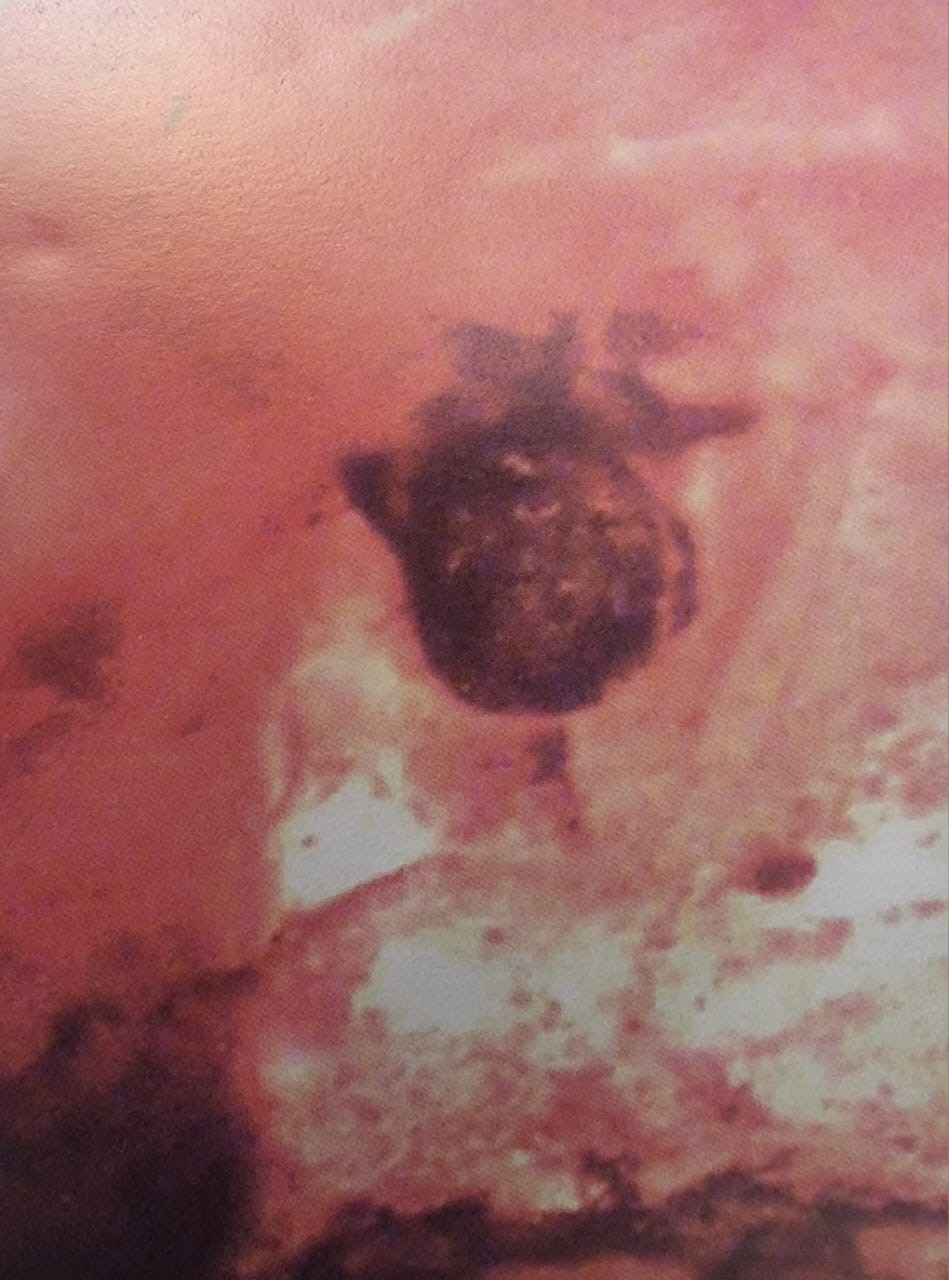
Formed approximately 140 million years ago during the Early Cretaceous period, Jordanian amber preserves exceptional biological inclusions, including insects, plants, pollen, and other remains that provide a window into an ancient world that existed long before modern ecosystems.
The importance of Jordanian amber is not limited to Jordan. Every fossil preserved inside this amber carries a scientific message for researchers around the world. It helps scientists understand the evolution of organisms, ancient forests, environmental changes, and the relationships between plants and insects.
The discoveries preserved in Jordanian amber reveal that the region was once a rich and diverse environment, containing ancient forests and many forms of life. These fossils represent a valuable part of Earth's natural history and contribute to global scientific knowledge.
Therefore, Jordanian amber should be viewed as a shared scientific heritage. It is not a personal possession or a treasure belonging to one individual; it is a gift from nature that belongs to researchers, students, and future generations around the world.
Protecting and studying Jordanian amber means protecting a chapter of the history of life on our planet.
The pictures show Jordanian amber contain insect and flower that are 140 million years old.
Formed approximately 140 million years ago during the Early Cretaceous period, Jordanian amber preserves exceptional biological inclusions, including insects, plants, pollen, and other remains that provide a window into an ancient world that existed long before modern ecosystems.
The importance of Jordanian amber is not limited to Jordan. Every fossil preserved inside this amber carries a scientific message for researchers around the world. It helps scientists understand the evolution of organisms, ancient forests, environmental changes, and the relationships between plants and insects.
The discoveries preserved in Jordanian amber reveal that the region was once a rich and diverse environment, containing ancient forests and many forms of life. These fossils represent a valuable part of Earth's natural history and contribute to global scientific knowledge.
Therefore, Jordanian amber should be viewed as a shared scientific heritage. It is not a personal possession or a treasure belonging to one individual; it is a gift from nature that belongs to researchers, students, and future generations around the world.
Protecting and studying Jordanian amber means protecting a chapter of the history of life on our planet.
The pictures show Jordanian amber contain insect and flower that are 140 million years old.
NEWS RELATED TO