

Films that offer a calm break from pressure
Al-Ghad


Sometimes a person needs two hours away from their responsibilities, free from having to make a decision, solve a problem or think about what awaits them tomorrow. Here cinema becomes more than a way to pass the time. A good story can give us a chance to catch our breath and look at what preoccupies us from a different distance.اضافة اعلان
The effect of cinematic stories varies from person to person, however. What brings calm to one viewer may not have the same effect on another. This list therefore includes ten films that deal with anxiety, failure and exhaustion from different angles, giving viewers a chance to step back a little from the pressures of life.
Animation: three ways to befriend anxiety
Three contemporary animated films deal with anxiety. In Inside Out 2, Riley enters adolescence and experiences new emotions, most notably anxiety, which tries to protect her from failure and embarrassment by anticipating the worst outcomes, pushing her to abandon her real desires to avoid failing. The film portrays this feeling as a natural response that drains its owner once it takes control of their life.
In Orion and the Dark, we move from fear of evaluation to fear of the unknown. Orion, aged eleven, is trapped by fears ranging from dogs and the ocean to the dark. One night, the dark appears to him in the form of a creature that takes him on a journey to show him that what he fears is not as dangerous as he imagines.
Here the idea of anticipatory anxiety emerges, which pushes us to avoid new experiences simply because we do not know what awaits us. The film, by contrast, encourages us to approach our fears and confront them gradually.
The anime Belle deals with shyness and social anxiety through the journey of Suzu, a high school student who lost her desire to sing after her mother’s death, until she enters a virtual world in which she becomes a singer followed by millions under an identity different from her real life. Singing becomes her means of expression when words fail her.
The three films converge on the idea that anxiety does not disappear by denying it, but by understanding it and approaching it, whether through dialogue with oneself, facing fear, or seeking a safe means of expression.
Soul: life is more than a list of achievements
Joe is a music teacher who dreams of becoming a professional jazz pianist, refusing to feel satisfied with himself until he achieves that goal. When the opportunity arises, he suffers an accident that transports him to a strange world where souls go before they are born, and where he rediscovers what makes life worth living.
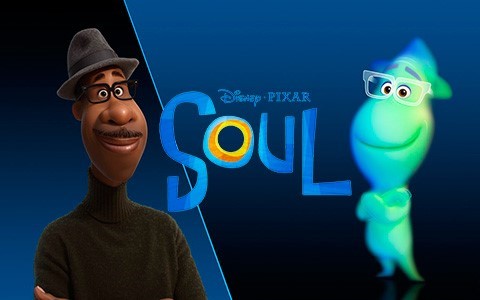
Through a story that blends imagination with music, the film examines the pressure of achievement and the accompanying feeling of falling behind and not being enough. Soul does not diminish the importance of ambition, but affirms that the joy of life does not lie only in reaching goals, but also in its small details.
Flow: a visual break from the noise of the world
Flow begins with a black cat who finds himself in a world flooded with water, and joins a group of animals on a boat, where survival depends on their ability to coexist and cooperate.
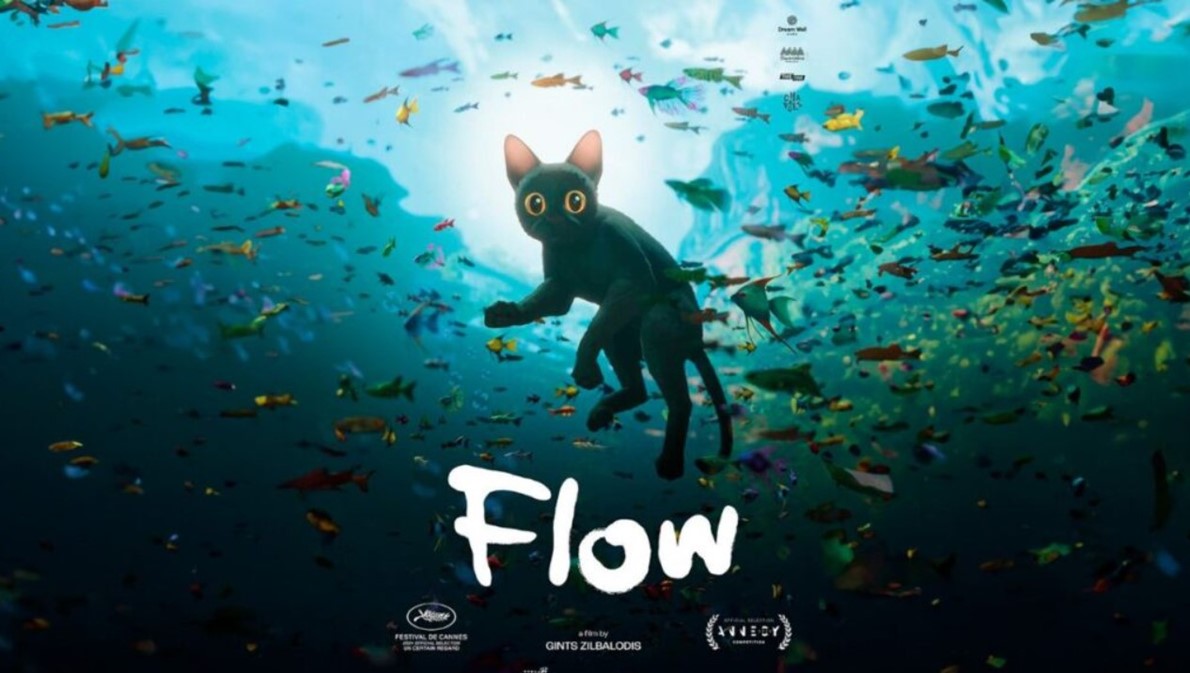
With no dialogue or voice-over, the film leaves the image, the music and natural sounds to lead the story. This makes it a suitable choice for those suffering from mental fatigue and overstimulation caused by screens and the flow of news, although the journey is sometimes not without some danger.
Light films to lift the mood
Brittany Runs a Marathon: a small step towards changeBrittany lives a troubled life, caught between unstable work, late nights and unsatisfying relationships. After a visit to the doctor, she decides to try running, starting with a short distance that she struggles to complete, before setting herself a bigger goal: taking part in the New York Marathon.

The film does not turn change into an easy journey of triumph. Brittany stumbles and loses her enthusiasm, and discovers that improving her relationship with her body is also linked to her relationship with herself and others.
Research supports the importance of physical activity such as walking, running and yoga in easing the symptoms of depression. Although watching the film is no substitute for exercise, it may encourage those thinking about changing their habits to take small steps without waiting for quick results.
Begin Again: music as therapy
After an emotional and professional setback, singer Greta meets a music producer who is himself going through a crisis in his life and work. The two decide to record an album on the streets of New York, and music becomes a means of restoring self-confidence rather than merely an attempt at professional success.

In this context, a scientific review has found benefits from musical interventions, such as listening to, singing and playing music, in reducing indicators of psychological and physiological stress.
Perfect Days: routine as a refuge
Perfect Days follows the life of Hirayama, a cleaner of public toilets in Tokyo, who wakes at dawn every day, drives his car to the tune of cassette tapes, photographs trees, and sets aside time for reading and reflection. Although there are no major changes in his life, small details give his days rhythm and meaning. In the repetition of daily actions and the enjoyment of music and nature, the hero finds calm.
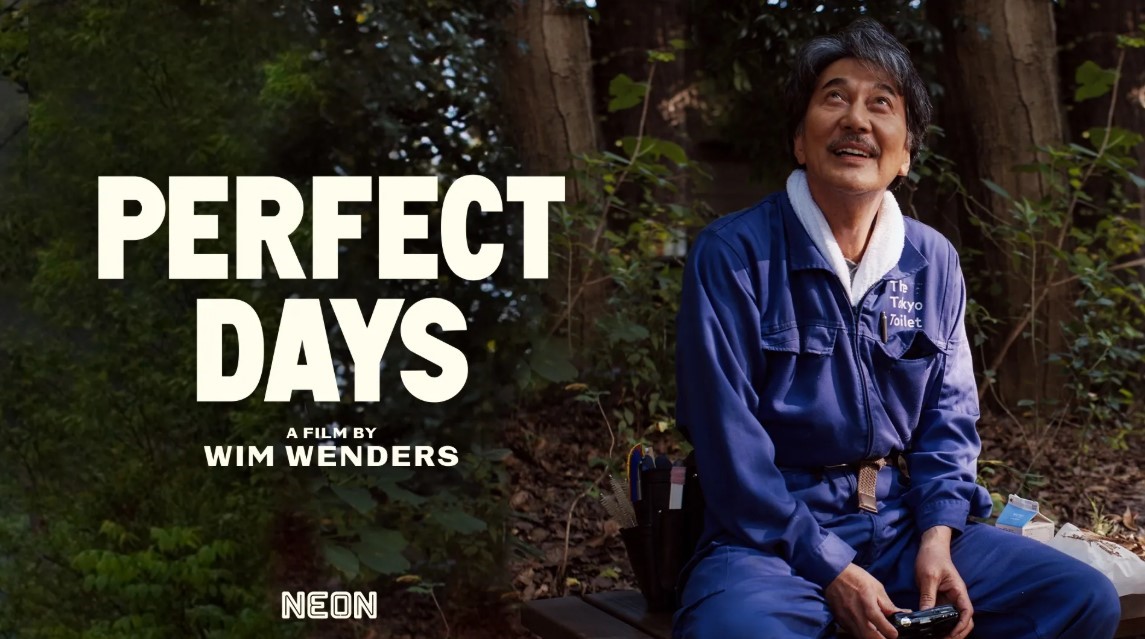
This idea intersects with the principles of mindfulness, which are based on living in the present moment with awareness, which may help ease symptoms of anxiety and depression. Watching the film is therefore especially valuable for those suffering from pressure and mental exhaustion, as it shows them the effect of slowing down and simple activities in restoring balance.
The Little Forest: the art of recovering from failure
After failing a teaching exam and leaving her part-time job in Seoul, Hye-won returns to her rural village, where she reconnects with the land through farming and cooking. The story seems simple, but behind it lies a question that matters to anyone who has stumbled on their path: what do we do when life does not go as we planned?

The story does not offer a magic formula for success. Instead, it highlights the effect of tangible daily work in restoring stability and giving the self time to reconsider the next step. For this reason, Hye-won’s journey may be a source of encouragement for students and young people facing academic or professional failure, and finding it hard to try again, so that they do not see their stumble as the end of the road.
My Octopus Teacher: returning to nature after exhaustion
The documentary My Octopus Teacher follows filmmaker Craig Foster’s journey in the waters of South Africa, where he observes an octopus trying to understand its behaviour. The journey comes after a period of exhaustion and turmoil in his life, and brings him back to a more attentive relationship with nature.
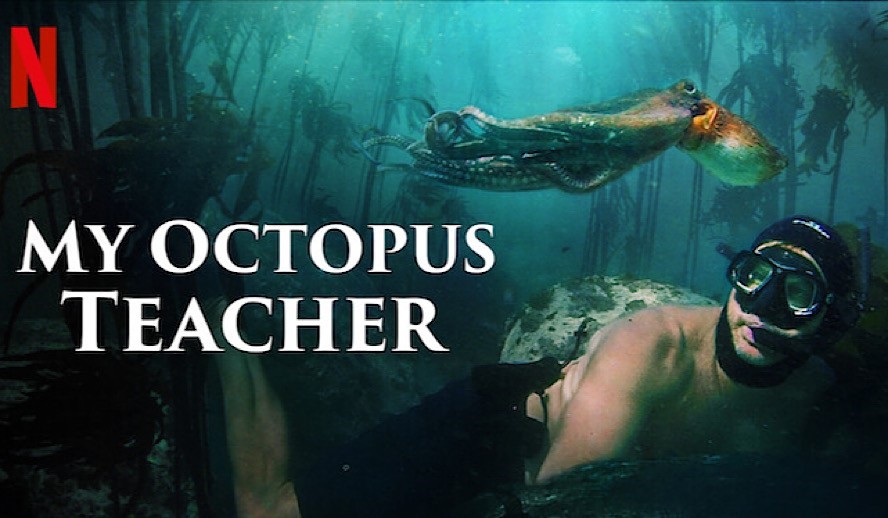
This does not mean that watching the film is equal to spending time outdoors, but it reminds us of the value of connecting with the world around us, particularly as studies link spending a short time in a natural environment with lower levels of cortisol, one of the biological markers of stress.
Although scientific evidence does not yet prove that watching films is a treatment for psychological disorders, images and stories help us understand our feelings and deal with them more consciously. This effect remains limited and complementary, not a substitute for specialised treatment, whenever anxiety or depression becomes a burden that disrupts daily life.
The effect of cinematic stories varies from person to person, however. What brings calm to one viewer may not have the same effect on another. This list therefore includes ten films that deal with anxiety, failure and exhaustion from different angles, giving viewers a chance to step back a little from the pressures of life.
Animation: three ways to befriend anxiety
Three contemporary animated films deal with anxiety. In Inside Out 2, Riley enters adolescence and experiences new emotions, most notably anxiety, which tries to protect her from failure and embarrassment by anticipating the worst outcomes, pushing her to abandon her real desires to avoid failing. The film portrays this feeling as a natural response that drains its owner once it takes control of their life.
In Orion and the Dark, we move from fear of evaluation to fear of the unknown. Orion, aged eleven, is trapped by fears ranging from dogs and the ocean to the dark. One night, the dark appears to him in the form of a creature that takes him on a journey to show him that what he fears is not as dangerous as he imagines.
Here the idea of anticipatory anxiety emerges, which pushes us to avoid new experiences simply because we do not know what awaits us. The film, by contrast, encourages us to approach our fears and confront them gradually.
The anime Belle deals with shyness and social anxiety through the journey of Suzu, a high school student who lost her desire to sing after her mother’s death, until she enters a virtual world in which she becomes a singer followed by millions under an identity different from her real life. Singing becomes her means of expression when words fail her.
The three films converge on the idea that anxiety does not disappear by denying it, but by understanding it and approaching it, whether through dialogue with oneself, facing fear, or seeking a safe means of expression.
Soul: life is more than a list of achievements
Joe is a music teacher who dreams of becoming a professional jazz pianist, refusing to feel satisfied with himself until he achieves that goal. When the opportunity arises, he suffers an accident that transports him to a strange world where souls go before they are born, and where he rediscovers what makes life worth living.
Through a story that blends imagination with music, the film examines the pressure of achievement and the accompanying feeling of falling behind and not being enough. Soul does not diminish the importance of ambition, but affirms that the joy of life does not lie only in reaching goals, but also in its small details.
Flow: a visual break from the noise of the world
Flow begins with a black cat who finds himself in a world flooded with water, and joins a group of animals on a boat, where survival depends on their ability to coexist and cooperate.
With no dialogue or voice-over, the film leaves the image, the music and natural sounds to lead the story. This makes it a suitable choice for those suffering from mental fatigue and overstimulation caused by screens and the flow of news, although the journey is sometimes not without some danger.
Light films to lift the mood
Brittany Runs a Marathon: a small step towards changeBrittany lives a troubled life, caught between unstable work, late nights and unsatisfying relationships. After a visit to the doctor, she decides to try running, starting with a short distance that she struggles to complete, before setting herself a bigger goal: taking part in the New York Marathon.
The film does not turn change into an easy journey of triumph. Brittany stumbles and loses her enthusiasm, and discovers that improving her relationship with her body is also linked to her relationship with herself and others.
Research supports the importance of physical activity such as walking, running and yoga in easing the symptoms of depression. Although watching the film is no substitute for exercise, it may encourage those thinking about changing their habits to take small steps without waiting for quick results.
Begin Again: music as therapy
After an emotional and professional setback, singer Greta meets a music producer who is himself going through a crisis in his life and work. The two decide to record an album on the streets of New York, and music becomes a means of restoring self-confidence rather than merely an attempt at professional success.
In this context, a scientific review has found benefits from musical interventions, such as listening to, singing and playing music, in reducing indicators of psychological and physiological stress.
Perfect Days: routine as a refuge
Perfect Days follows the life of Hirayama, a cleaner of public toilets in Tokyo, who wakes at dawn every day, drives his car to the tune of cassette tapes, photographs trees, and sets aside time for reading and reflection. Although there are no major changes in his life, small details give his days rhythm and meaning. In the repetition of daily actions and the enjoyment of music and nature, the hero finds calm.
This idea intersects with the principles of mindfulness, which are based on living in the present moment with awareness, which may help ease symptoms of anxiety and depression. Watching the film is therefore especially valuable for those suffering from pressure and mental exhaustion, as it shows them the effect of slowing down and simple activities in restoring balance.
The Little Forest: the art of recovering from failure
After failing a teaching exam and leaving her part-time job in Seoul, Hye-won returns to her rural village, where she reconnects with the land through farming and cooking. The story seems simple, but behind it lies a question that matters to anyone who has stumbled on their path: what do we do when life does not go as we planned?
The story does not offer a magic formula for success. Instead, it highlights the effect of tangible daily work in restoring stability and giving the self time to reconsider the next step. For this reason, Hye-won’s journey may be a source of encouragement for students and young people facing academic or professional failure, and finding it hard to try again, so that they do not see their stumble as the end of the road.
My Octopus Teacher: returning to nature after exhaustion
The documentary My Octopus Teacher follows filmmaker Craig Foster’s journey in the waters of South Africa, where he observes an octopus trying to understand its behaviour. The journey comes after a period of exhaustion and turmoil in his life, and brings him back to a more attentive relationship with nature.
This does not mean that watching the film is equal to spending time outdoors, but it reminds us of the value of connecting with the world around us, particularly as studies link spending a short time in a natural environment with lower levels of cortisol, one of the biological markers of stress.
Although scientific evidence does not yet prove that watching films is a treatment for psychological disorders, images and stories help us understand our feelings and deal with them more consciously. This effect remains limited and complementary, not a substitute for specialised treatment, whenever anxiety or depression becomes a burden that disrupts daily life.
NEWS RELATED TO