

Youth Ministry Secretary-General Participates in Dialogue Session on UNSC Resolution 2250 at German Jordanian University


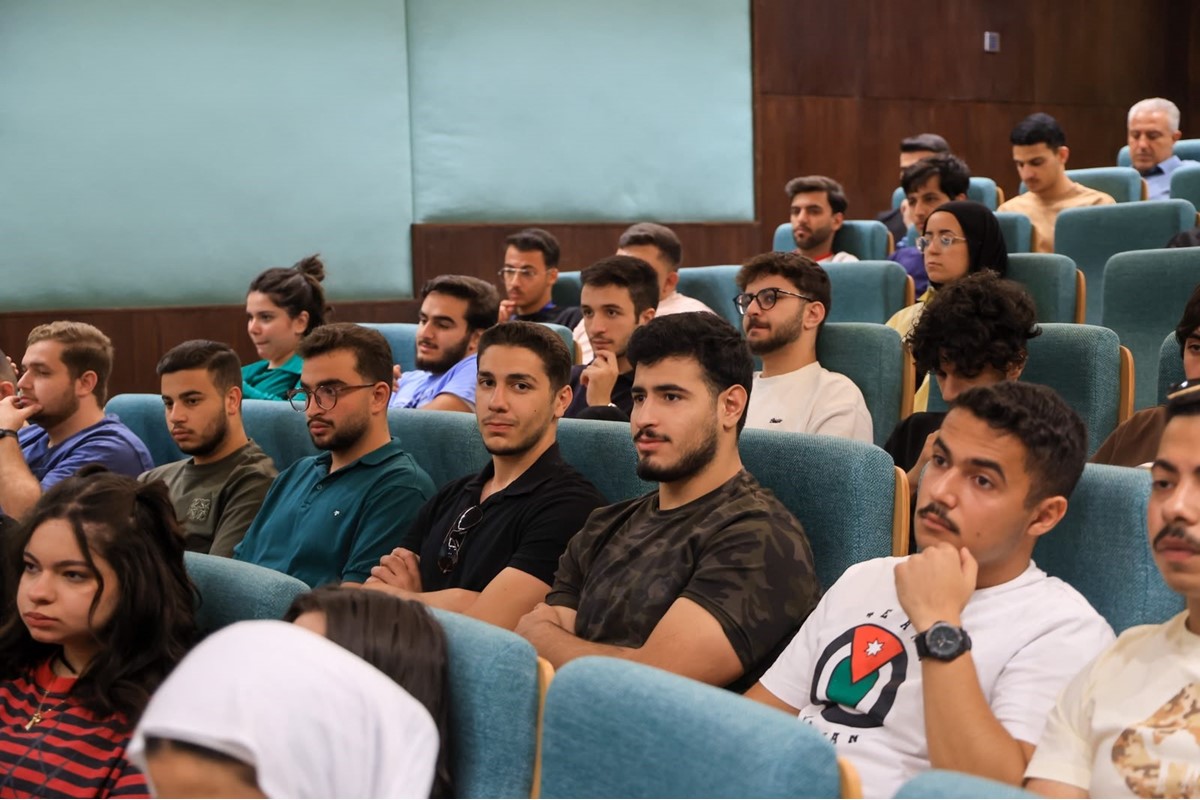
Representing the Minister of Youth, Secretary-General of the Ministry Dr. Mazen Abu Bakr participated today, Thursday, in a dialogue session on United Nations Security Council Resolution 2250 on Youth, Peace and Security, held at the German Jordanian University (GJU), in the presence of University President Prof. Dr. Alaa Al-Halhouli, Dean of Student Affairs Dr. Farah Al-Atrash, and a number of university administrative and academic staff and students.اضافة اعلان
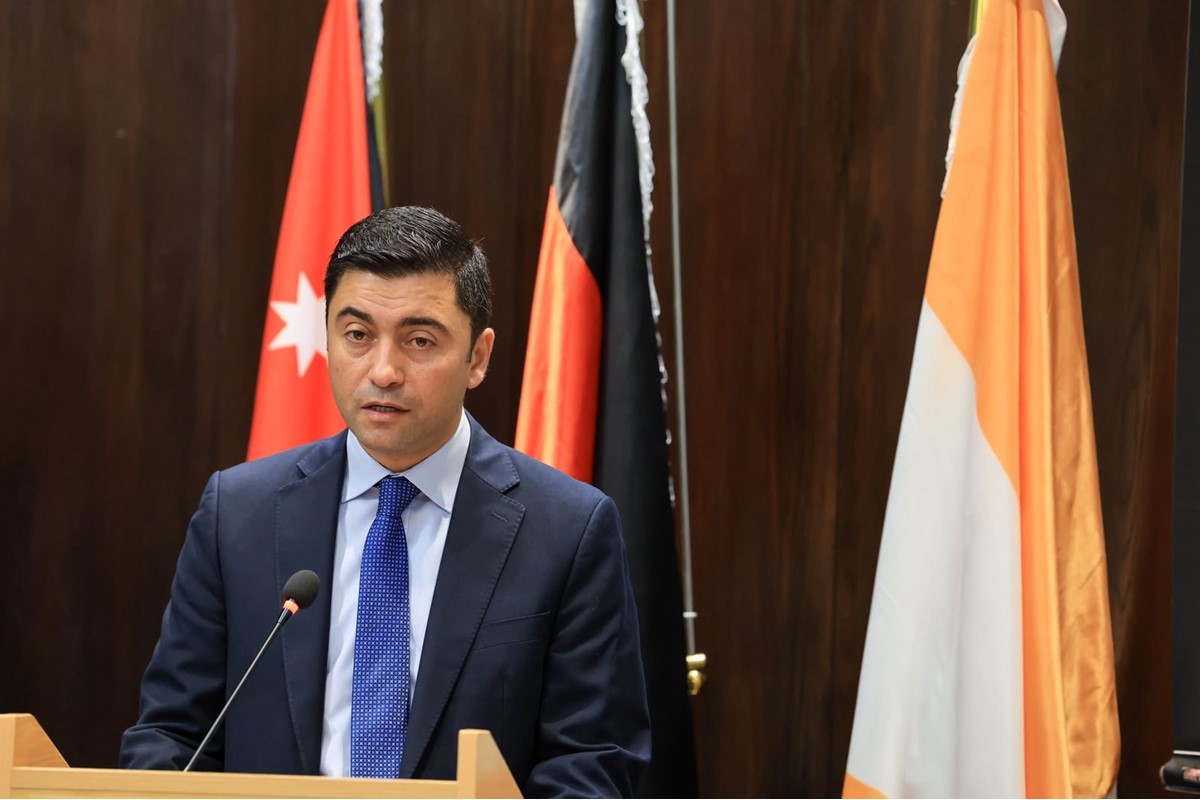
In his remarks, Dr. Abu Bakr said that Jordan, under the leadership of His Majesty King Abdullah II, has adopted a clear vision based on the belief that investing in youth is an investment in security, stability and development.
He noted that His Royal Highness Crown Prince Al Hussein bin Abdullah II’s address to the UN Security Council in 2015 marked an important milestone in strengthening the position of youth and their role on the international Youth, Peace and Security agenda.
Dr. Abu Bakr added that UN Security Council Resolution 2250 on Youth, Peace and Security views young people as active partners in peacebuilding, stability and social cohesion.
He stressed that while youth are among the groups most affected by conflict, hate speech, extremism and digital misinformation, they have the ability to drive positive change when provided with opportunities for education, participation and dialogue, as well as safe spaces to express themselves.
He explained that Jordan has not limited its efforts to endorsing the UN resolution, but has worked to translate its principles into national policies and frameworks by establishing a Youth, Peace and Security Unit at the Ministry of Youth, adopting the 2025–2027 National Action Plan, and contributing to the development of the Arab strategy. Jordan also hosted the International Forum and launched the Arab executive plan from Amman.
Abu Bakr noted that Youth, Peace and Security concepts have been incorporated into the National Youth Strategy for 2026–2030, particularly under the Active Citizenship pillar, based on the findings of the 2025 National Youth Survey.
This approach supports the development of policies and programs based on data and the actual needs of young people.
He stressed that the challenge goes beyond developing plans and recommendations and lies in translating them into sustainable programs, initiatives and opportunities for participation through partnerships among the government, universities, private sector, civil society and international organizations, while ensuring that young people are involved in planning, implementation and monitoring.
Abu Bakr also highlighted the importance of the university environment in promoting Youth, Peace and Security concepts, describing universities as spaces for developing awareness, leadership and initiative.
He stressed the need to address campus violence and intolerance while promoting a culture of dialogue, respect for others and responsible disagreement, as well as the rule of law.
He called on university students to play an active role in promoting a culture of dialogue, participating in volunteer work and community initiatives, using the digital space responsibly, combating hate speech and misinformation, and engaging in programs and initiatives related to the Youth, Peace and Security agenda.
Abu Bakr concluded by emphasizing that young people are the leaders of the future and partners in the present, noting that every initiative that promotes dialogue, every stance that rejects hatred and violence, and every responsible act of participation contributes to peacebuilding.
He reaffirmed that Jordan places its confidence in the awareness of its youth and their ability to turn knowledge into action and ambition into a tangible national impact.
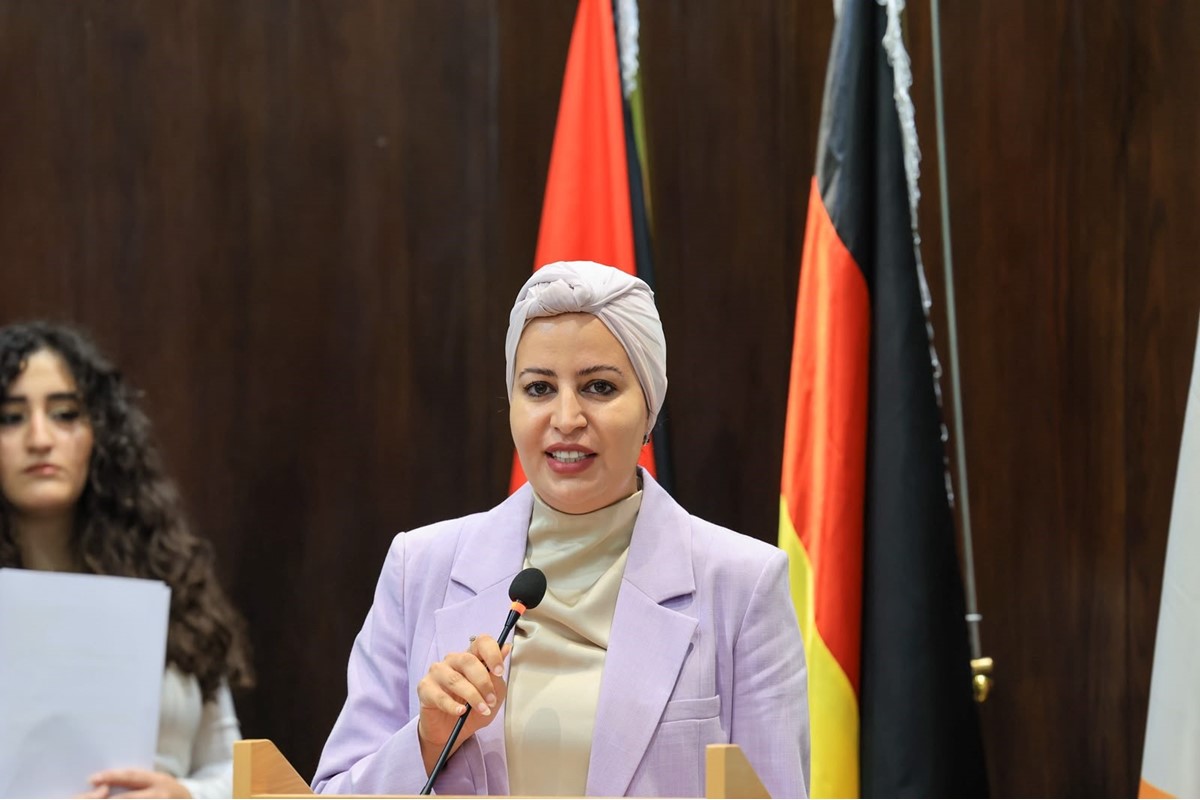
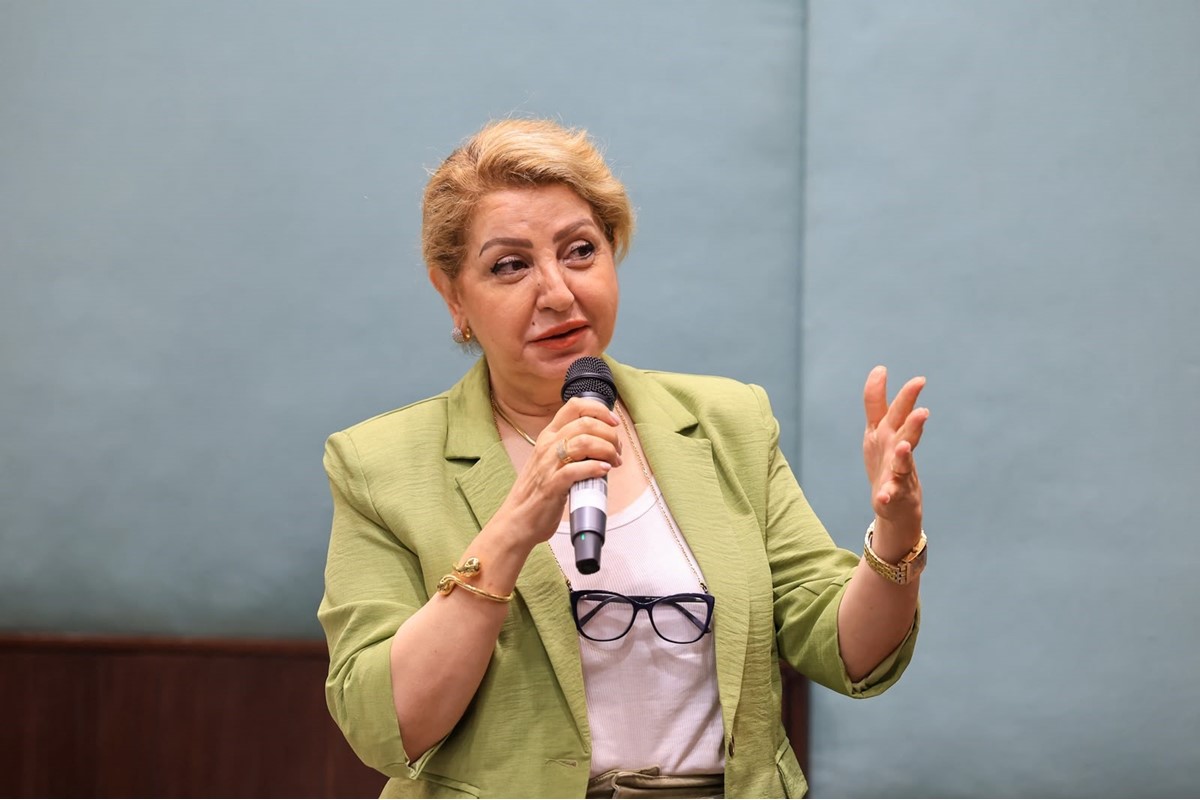
For her part, Dr. Al-Atrash said that the university believes its role extends beyond providing knowledge and academic degrees to shaping character and promoting dialogue, responsibility, leadership and active citizenship.
She noted that the dialogue session on Youth, Peace and Security coincides with International Youth Day, which was observed yesterday, emphasizing that young people are partners in decision-making and shaping the future.
Al-Atrash highlighted the importance of UN Security Council Resolution 2250, which emphasizes the role of youth in conflict prevention, peacebuilding, and promoting security and stability.
She also underscored the attention and support given to Jordanian youth by His Majesty King Abdullah II and His Royal Highness Crown Prince Al Hussein bin Abdullah II.
She called on university students to become active partners in dialogue and solution-building by presenting ideas and initiatives and discussing issues affecting their future.
She stressed that the role of youth is not limited to waiting for institutions to provide opportunities, but also involves taking initiative, assuming responsibility, and turning ideas into action that contributes to peace, participation and the building of a better future.
In his remarks, Dr. Abu Bakr said that Jordan, under the leadership of His Majesty King Abdullah II, has adopted a clear vision based on the belief that investing in youth is an investment in security, stability and development.
He noted that His Royal Highness Crown Prince Al Hussein bin Abdullah II’s address to the UN Security Council in 2015 marked an important milestone in strengthening the position of youth and their role on the international Youth, Peace and Security agenda.
Dr. Abu Bakr added that UN Security Council Resolution 2250 on Youth, Peace and Security views young people as active partners in peacebuilding, stability and social cohesion.
He stressed that while youth are among the groups most affected by conflict, hate speech, extremism and digital misinformation, they have the ability to drive positive change when provided with opportunities for education, participation and dialogue, as well as safe spaces to express themselves.
He explained that Jordan has not limited its efforts to endorsing the UN resolution, but has worked to translate its principles into national policies and frameworks by establishing a Youth, Peace and Security Unit at the Ministry of Youth, adopting the 2025–2027 National Action Plan, and contributing to the development of the Arab strategy. Jordan also hosted the International Forum and launched the Arab executive plan from Amman.
Abu Bakr noted that Youth, Peace and Security concepts have been incorporated into the National Youth Strategy for 2026–2030, particularly under the Active Citizenship pillar, based on the findings of the 2025 National Youth Survey.
This approach supports the development of policies and programs based on data and the actual needs of young people.
He stressed that the challenge goes beyond developing plans and recommendations and lies in translating them into sustainable programs, initiatives and opportunities for participation through partnerships among the government, universities, private sector, civil society and international organizations, while ensuring that young people are involved in planning, implementation and monitoring.
Abu Bakr also highlighted the importance of the university environment in promoting Youth, Peace and Security concepts, describing universities as spaces for developing awareness, leadership and initiative.
He stressed the need to address campus violence and intolerance while promoting a culture of dialogue, respect for others and responsible disagreement, as well as the rule of law.
He called on university students to play an active role in promoting a culture of dialogue, participating in volunteer work and community initiatives, using the digital space responsibly, combating hate speech and misinformation, and engaging in programs and initiatives related to the Youth, Peace and Security agenda.
Abu Bakr concluded by emphasizing that young people are the leaders of the future and partners in the present, noting that every initiative that promotes dialogue, every stance that rejects hatred and violence, and every responsible act of participation contributes to peacebuilding.
He reaffirmed that Jordan places its confidence in the awareness of its youth and their ability to turn knowledge into action and ambition into a tangible national impact.
For her part, Dr. Al-Atrash said that the university believes its role extends beyond providing knowledge and academic degrees to shaping character and promoting dialogue, responsibility, leadership and active citizenship.
She noted that the dialogue session on Youth, Peace and Security coincides with International Youth Day, which was observed yesterday, emphasizing that young people are partners in decision-making and shaping the future.
Al-Atrash highlighted the importance of UN Security Council Resolution 2250, which emphasizes the role of youth in conflict prevention, peacebuilding, and promoting security and stability.
She also underscored the attention and support given to Jordanian youth by His Majesty King Abdullah II and His Royal Highness Crown Prince Al Hussein bin Abdullah II.
She called on university students to become active partners in dialogue and solution-building by presenting ideas and initiatives and discussing issues affecting their future.
She stressed that the role of youth is not limited to waiting for institutions to provide opportunities, but also involves taking initiative, assuming responsibility, and turning ideas into action that contributes to peace, participation and the building of a better future.
NEWS RELATED TO