

Jordanian Amber Wasp: 140 Million Years of Survival and Adaptation
Dr . Abbas Haddadin



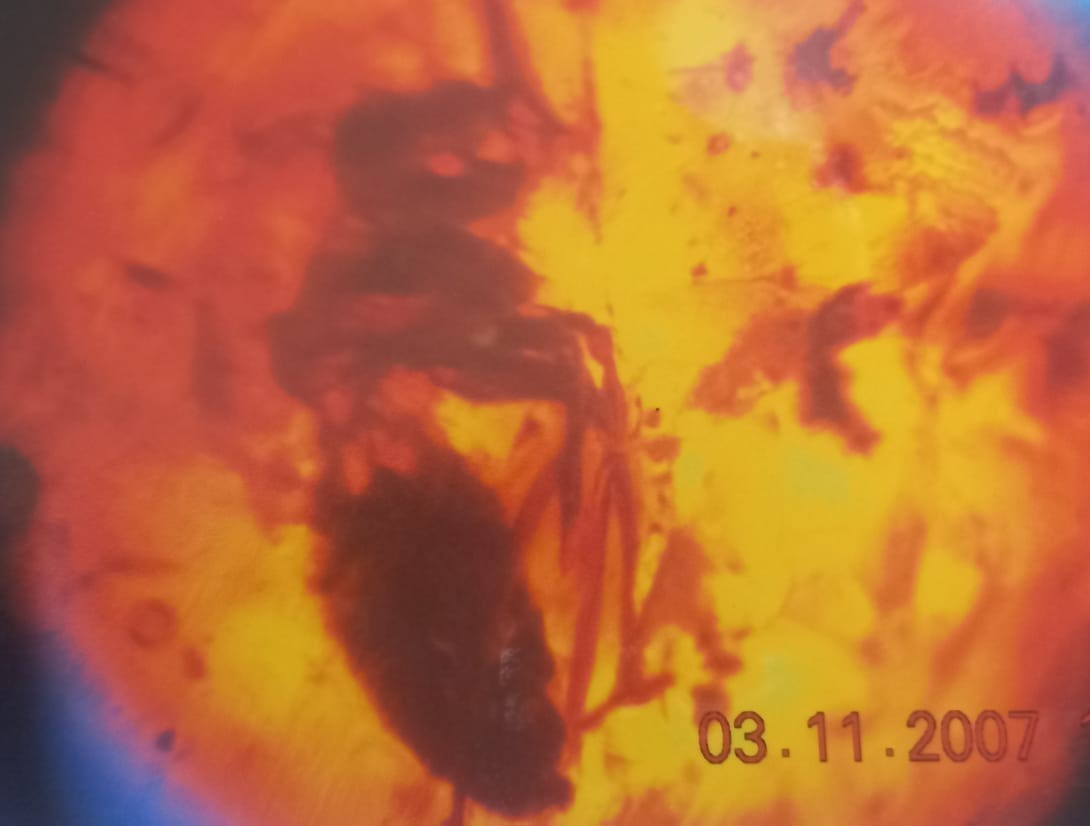
The Jordanian amber discovered in the Early Cretaceous deposits of Jordan has preserved many insects that lived approximately 140 million years ago. Among these insects are wasps, including a remarkable specimen that provides an opportunity to compare an ancient wasp with a similar parasitic wasp living today.اضافة اعلان
The ancient wasp preserved in Jordanian amber is particularly interesting because its basic form and way of life can be compared with modern parasitoid wasps. Modern parasitoid wasps can sting and paralyze another insect or arthropod and then lay their eggs in or on its body. When the larvae hatch, they obtain their food from the host.
This raises an important scientific question: could a similar biological strategy have existed in the Jordanian wasp approximately 140 million years ago?
The significance of this comparison is not simply what the ancient wasp may have eaten. The greater question is how the lineage of such wasps survived and adapted through enormous changes in climate and environment over approximately 140 million years.
During this immense period, the Earth experienced major geological and climatic changes. Landscapes, vegetation, temperatures and ecosystems changed repeatedly. Yet parasitoid wasps are still present today, with species that use remarkably specialized methods to survive and reproduce.
The Jordanian amber specimen therefore provides a window into a very ancient ecosystem. It allows us to ask whether some of the biological characteristics and survival strategies seen in modern parasitoid wasps have deep evolutionary roots.
Another question remains open. Did the ancient Jordanian wasp live alone, as many modern parasitoid wasps do, or did it live in groups? The amber specimen by itself may not provide a definitive answer. Further specimens and detailed scientific study may help clarify the social behavior of these ancient insects.
Jordanian amber contains numerous insects from this ancient ecosystem. Among the specimens I have examined are 14 wasps. Each specimen represents a small piece of evidence about life in Jordan approximately 140 million years ago.
The comparison between the ancient Jordanian amber wasp and a modern parasitoid wasp does not mean that they are necessarily the same species. Rather, it demonstrates how scientists can compare anatomical structures and biological strategies across enormous periods of geological time.
The ancient wasp has been preserved almost like a photograph of life from the Early Cretaceous. The modern wasp shows us that similar parasitoid strategies still exist today.
The survival of this type of biological strategy for such a long period raises a fascinating question: how much of the behavior and adaptation of ancient wasps has remained fundamentally similar, and how much has changed?
Jordanian amber gives us the opportunity to investigate these questions directly through fossils that preserve insects from an ecosystem that existed about 140 million years ago.
Picture 1 is: Jordanian amber wasp preserved in amber, approximately 140 million years old.
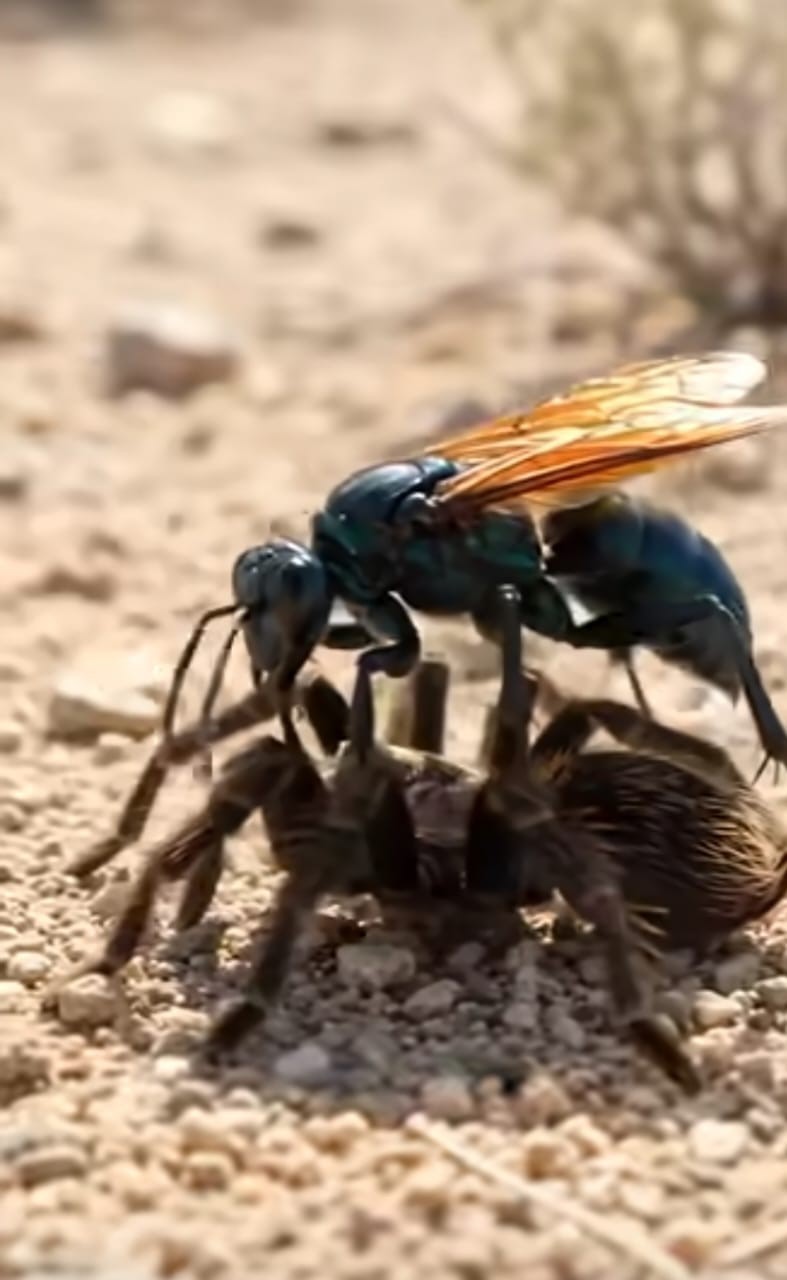
Picture 2 is: A modern parasitoid wasp showing the remarkable similarity that allows comparison with the ancient Jordanian specimen.
By: Dr. Abbas Haddadin
The ancient wasp preserved in Jordanian amber is particularly interesting because its basic form and way of life can be compared with modern parasitoid wasps. Modern parasitoid wasps can sting and paralyze another insect or arthropod and then lay their eggs in or on its body. When the larvae hatch, they obtain their food from the host.
This raises an important scientific question: could a similar biological strategy have existed in the Jordanian wasp approximately 140 million years ago?
The significance of this comparison is not simply what the ancient wasp may have eaten. The greater question is how the lineage of such wasps survived and adapted through enormous changes in climate and environment over approximately 140 million years.
During this immense period, the Earth experienced major geological and climatic changes. Landscapes, vegetation, temperatures and ecosystems changed repeatedly. Yet parasitoid wasps are still present today, with species that use remarkably specialized methods to survive and reproduce.
The Jordanian amber specimen therefore provides a window into a very ancient ecosystem. It allows us to ask whether some of the biological characteristics and survival strategies seen in modern parasitoid wasps have deep evolutionary roots.
Another question remains open. Did the ancient Jordanian wasp live alone, as many modern parasitoid wasps do, or did it live in groups? The amber specimen by itself may not provide a definitive answer. Further specimens and detailed scientific study may help clarify the social behavior of these ancient insects.
Jordanian amber contains numerous insects from this ancient ecosystem. Among the specimens I have examined are 14 wasps. Each specimen represents a small piece of evidence about life in Jordan approximately 140 million years ago.
The comparison between the ancient Jordanian amber wasp and a modern parasitoid wasp does not mean that they are necessarily the same species. Rather, it demonstrates how scientists can compare anatomical structures and biological strategies across enormous periods of geological time.
The ancient wasp has been preserved almost like a photograph of life from the Early Cretaceous. The modern wasp shows us that similar parasitoid strategies still exist today.
The survival of this type of biological strategy for such a long period raises a fascinating question: how much of the behavior and adaptation of ancient wasps has remained fundamentally similar, and how much has changed?
Jordanian amber gives us the opportunity to investigate these questions directly through fossils that preserve insects from an ecosystem that existed about 140 million years ago.
Picture 1 is: Jordanian amber wasp preserved in amber, approximately 140 million years old.
Picture 2 is: A modern parasitoid wasp showing the remarkable similarity that allows comparison with the ancient Jordanian specimen.
By: Dr. Abbas Haddadin
NEWS RELATED TO
Is Jordan's Survival Temporary?
Sep 17,2026 | Analysis